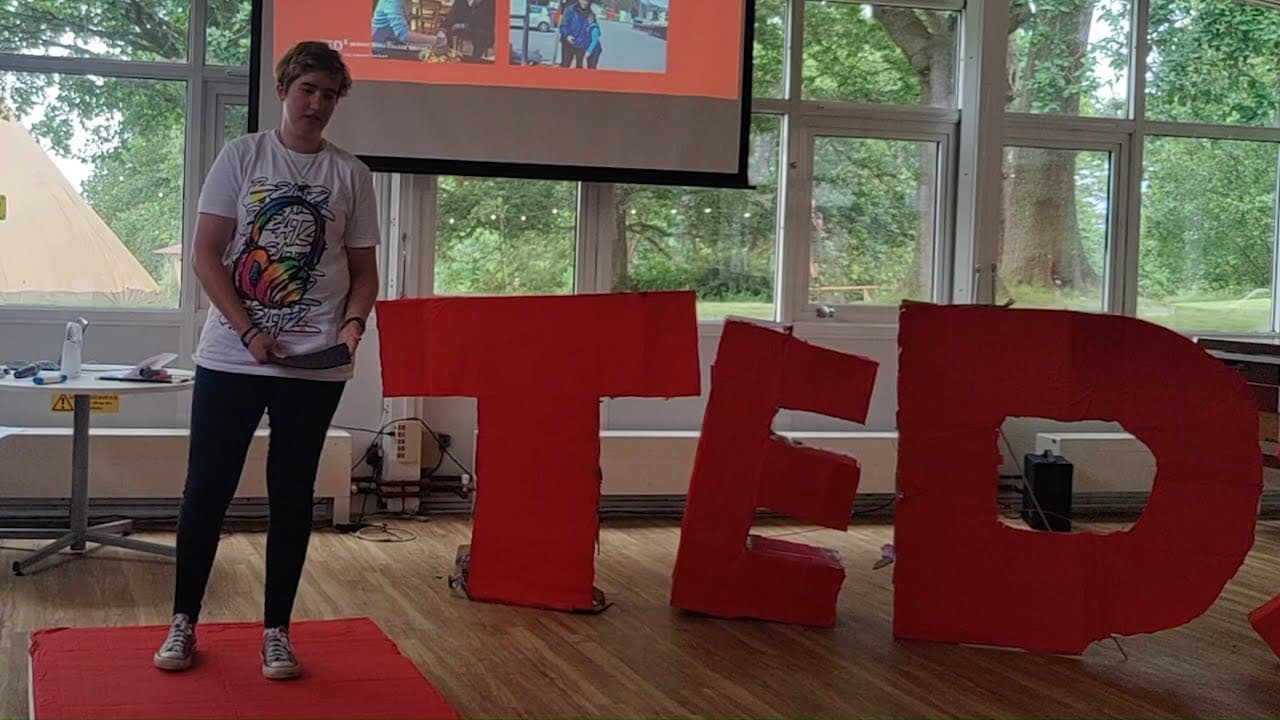
Why Is It Always In Memory? | Ash Wallace | TEDxMerrist Wood College Youth
TL;DR
Dementia is a devastating disease that erases memories and identities, affecting millions of people worldwide and requiring more support and advocacy for families.
Transcript
[Applause] you could turn off the memory a memory about the partnership love and kindness sit with us for a moment now imagine you don't have that memory anymore not only do you know how that memory but you've lost something I am not sure what with every day I was more loss until there's nothing left nothing left of you or those around you not only... Read More
Key Insights
- 🤔 Dementia, specifically Alzheimer's, is a widespread disease that affects memory, thinking, and behavior, impacting millions of individuals and their families worldwide.
- 😨 Diagnosis and support for individuals from minority backgrounds and those with learning disabilities are often inadequate, resulting in disparities in care.
- 🤕 Genetic factors, lifestyle choices, and age all contribute to the development of dementia.
- 😀 Advocacy for dementia support should extend beyond immediate caregivers to include families, who often face emotional and financial challenges.
- 🖤 Legislation concerning mental capacity and decision-making lacks clarity and fails to provide adequate guidance and support for families.
- 💝 Existing support usually comes late in the disease's progression, making it important to create initiatives that capture memories and provide emotional support earlier.
- 🤑 Memory walks, donations, and the Forget Me Not scheme are ways to raise funds and remember loved ones, but more focus should be placed on providing direct support to families.
Install to Summarize YouTube Videos and Get Transcripts
Explore YouTube Video Summarizer or Get YouTube Transcript Extractor
Questions & Answers
Q: What is dementia and how does it affect individuals?
Dementia is a degenerative disease that impairs cognitive functions, memory, and recognition, gradually robbing individuals of their independence, personality, and ability to recognize loved ones.
Q: What are the risk factors and causes of dementia?
Dementia is caused by a combination of genetic factors, lifestyle choices, and age. While some cases are inherited through a faulty gene, the majority are influenced by various factors such as diet, exercise, and mental stimulation.
Q: What challenges do families face when dealing with dementia?
Families of individuals with dementia often struggle emotionally and financially. The diagnosis process can be long and complicated, and the available support is usually limited, coming mainly after the disease has progressed significantly.
Q: How can society better support families dealing with dementia?
Society can support families by providing emotional and financial preparation for the diagnosis process, offering resources such as experiences books and family spaces, and advocating for better support systems and legislation to assist them.
Summary & Key Takeaways
-
Dementia, specifically Alzheimer's, is a progressive disease that affects thinking, memory, and behavior, caused by a combination of genes, lifestyle, and age.
-
Over 900,000 people in the UK experience dementia, with a higher prevalence in individuals over 65, but early-onset cases are also observed.
-
Discrepancies in diagnosis and support exist for people from minority backgrounds and individuals with learning disabilities.
Read in Other Languages (beta)
Share This Summary 📚
Summarize YouTube Videos and Get Video Transcripts with 1-Click
Try YouTube Summary with ChatGPT & Claude or YouTube Transcript Generator
Explore More Summaries from TEDx Talks 📚


Summarize YouTube Videos and Get Video Transcripts with 1-Click
Try YouTube Summary with ChatGPT & Claude or YouTube Transcript Generator