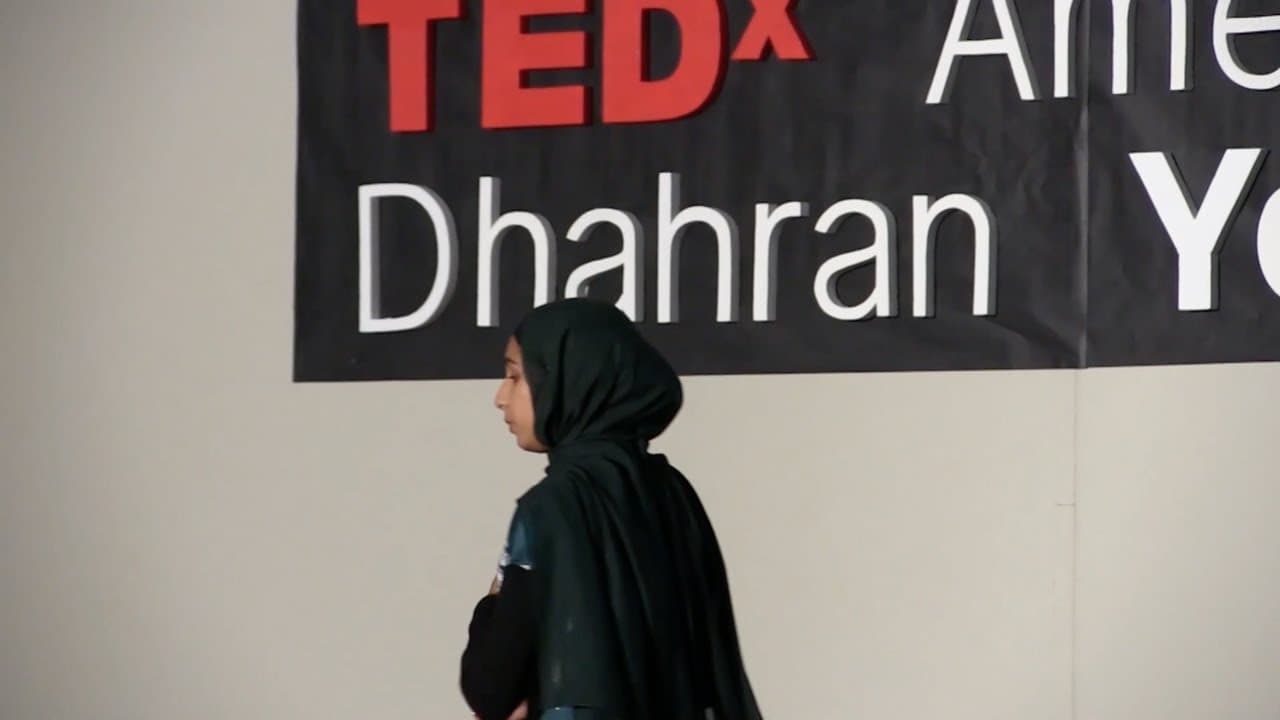
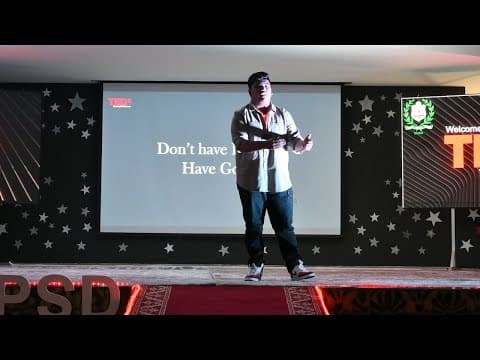
What Does Extinction Mean For Us? | Maryam Farooqi | TEDxYouth@AmericanSchoolDhahran
TL;DR
Human actions and the loss of biodiversity are impacting our health, causing the rise of diseases and the potential loss of life-saving medications. It is crucial for us to change our practices and work with nature to protect our planet and future generations.
Transcript
Transcriber: Quan Nguyen Reviewer: Walaa Mohammed The earth in the 21st century is in a state of perpetual change. We see it and we feel it every single year when we notice inconsistent wind patterns or rain patterns, or that the winds of winter aren't as temperamental as they used to be or less temperamental than they should be. We see it in the w... Read More
Key Insights
- ☀️ The Earth is undergoing significant changes, impacting weather patterns, coastal areas, and ecosystems.
- 🧑⚕️ Human actions, including habitat destruction and pollution, pose a threat to Earth's biodiversity, resulting in negative consequences for human health.
- 🥺 The loss of biodiversity can lead to a decline in the discovery of life-saving medications derived from natural substances.
Install to Summarize YouTube Videos and Get Transcripts
Explore YouTube Video Summarizer or Get YouTube Transcript Extractor
Questions & Answers
Q: How is loss of biodiversity affecting human health?
Loss of biodiversity leads to decreased organism composition in our biosphere, causing issues such as severe allergies, inflammatory diseases, and a rise in infectious diseases due to the decline of disease vector populations.
Q: What is the impact of human actions on the discovery of life-saving medications?
A loss of biodiversity could result in the loss of potential drugs derived from natural substances. Roughly 60% of anticancer and anti-infective medications are based on or modified by natural substances, endangering the future of medical discoveries.
Q: How do ecosystem services suffer due to habitat loss and pollution?
Habitat loss, habitat fragmentation, pollution, and global warming damage numerous ecosystem services. The loss of tree roots leads to landslides and erosion, pollinators are affected, crops fail, and diseases become more prevalent, resulting in a loss of benefits to human society.
Q: How can we address the challenges of the Anthropocene?
Instead of combating nature, we should work with it. Implementing restoration projects, such as mangrove restoration in coastal areas and urban planning projects that incorporate green spaces and sustainable practices, can help minimize the negative impacts of human activities.
Summary & Key Takeaways
-
The Earth is experiencing rapid changes, including inconsistent weather patterns, coastal flooding, and the transformation of lush areas into deserts.
-
Humanity has caused the extinction of large species, and we are currently in the Anthropocene, an era where human actions are threatening biodiversity and the planet as a whole.
-
Loss of biodiversity has direct negative effects on human health, leading to a rise in allergic reactions, inflammatory diseases, and an increase in infectious diseases.
Read in Other Languages (beta)
Share This Summary 📚
Summarize YouTube Videos and Get Video Transcripts with 1-Click
Try YouTube Summary with ChatGPT & Claude or YouTube Transcript Generator
Explore More Summaries from TEDx Talks 📚

Summarize YouTube Videos and Get Video Transcripts with 1-Click
Try YouTube Summary with ChatGPT & Claude or YouTube Transcript Generator