What Are Brain-Computer Interfaces and How Do They Work?
TL;DR
Brain-computer interfaces (BCIs) enable direct communication between the brain and external devices by translating brainwaves into commands. They can enhance gaming experiences and assist individuals with disabilities to regain independence. However, ethical concerns about privacy and the potential for manipulation make the development of BCIs a topic of significant debate.
Transcript
imagine you could control computers using only your mind you could play a computer game without touching the controller thanks to a system that translates your brain waves will we all someday have chips implanted in our heads or wear special caps that read our thoughts bring computer interfaces that's our topic today on shift bcis or brain computer... Read More
Key Insights
- ⚙️ Brain-computer interfaces (BCIs) have the potential to revolutionize the way we interact with computers and technology, ranging from gaming to enhancing productivity.
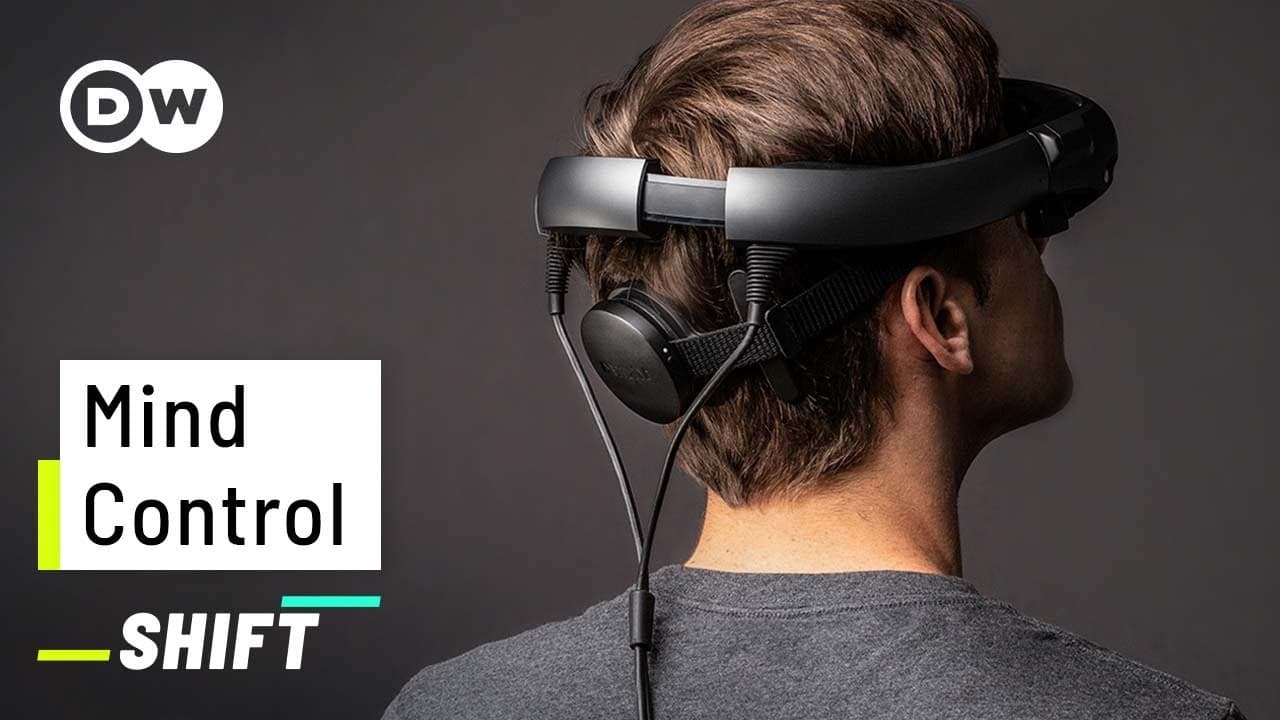
- 💡 Non-invasive BCIs, such as headbands, can read brainwaves and translate them into commands for electronic devices, offering a sleeker alternative to traditional EEG caps used in medicine.
- 🎮 BCIs have the potential to greatly impact the gaming industry by enhancing or even replacing traditional controllers, allowing for more intuitive gameplay.
- 💼 Wearable BCIs, like headphones with built-in electrodes, claim to help users determine their optimal focus levels and improve productivity by offering personalized music and alerts when breaks are needed.
- 🦾 BCIs hold immense potential for individuals with disabilities, as successful brain implants enable paralyzed individuals to regain independence and control prosthetic limbs using their thoughts alone.
- 🧠 BCIs rely on measuring electrical signals in the brain, which are detected through the use of electrodes, often inserted into specific regions of the brain responsible for movement and sensory perception.
- 🔬 Advances in BCI research include neurograms, microchips the size of a grain of salt that can be scattered across or inserted into the brain, allowing for the detection and transmission of signals from multiple areas of the brain.
- 💉 The development of non-invasive BCIs, such as EEG caps, provides a less risky alternative to invasive brain implants, avoiding potential complications such as bleeding, scarring, rejection, or the need for future removal.
- 🤔 Ethical concerns surrounding BCIs include the potential for altering human traits, privacy issues, access inequality, and the manipulation of individuals for military purposes. Data protection is crucial when dealing with the intimate data of thoughts and feelings.
Install to Summarize YouTube Videos and Get Transcripts
Explore YouTube Video Summarizer or Get YouTube Transcript Extractor
Questions & Answers
Q: How do non-invasive BCIs like headbands and EEG caps work?
Non-invasive BCIs, like headbands and EEG caps, utilize sensors to measure brainwaves on the scalp, which are then translated into commands for electronic devices. This allows users to control the devices with their thoughts without any invasive procedures.
Q: How has BCI technology helped paralyzed individuals like Nathan Copeland?
BCI technology has enabled paralyzed individuals like Nathan Copeland to regain independence by using implanted electrodes in the brain to control prosthetic limbs. By measuring brainwaves and translating them into corresponding movements, users can control the prosthesis with their thoughts.
Q: What are some potential risks and ethical concerns associated with BCIs?
BCIs raise concerns about data protection, as accessing private thoughts and feelings could leave individuals vulnerable. Moreover, there are ethical questions about altering core traits through deep brain stimulation and the potential for social pressure to use BCIs. Additionally, military applications of BCIs, such as manipulating soldiers' emotions or endurance, raise ethical concerns.
Q: What are some potential future applications of BCIs?
BCIs have the potential to enhance gaming experiences, improve productivity by optimizing focus and concentration, and assist individuals with medical conditions such as paralysis. However, the future of BCIs also raises questions about how technology will be used and who will have access to it.
Summary & Key Takeaways
-
BCIs, such as non-invasive headbands and EEG caps, can translate brainwaves into commands for electronic devices, offering new possibilities for gaming and improving productivity.
-
Paralyzed individuals, like Nathan Copeland, can regain independence with implanted BCIs that read brainwaves and control prosthetic limbs.
-
Advancements in BCI technology include neurograms, microchips scattered across the brain's surface, and non-invasive interfaces developed by researchers. However, ethical concerns and data protection are important considerations.
Read in Other Languages (beta)
Share This Summary 📚
Summarize YouTube Videos and Get Video Transcripts with 1-Click
Try YouTube Summary with ChatGPT & Claude or YouTube Transcript Generator
Explore More Summaries from DW Shift 📚


Summarize YouTube Videos and Get Video Transcripts with 1-Click
Try YouTube Summary with ChatGPT & Claude or YouTube Transcript Generator