Making Digital Globalization Inclusive
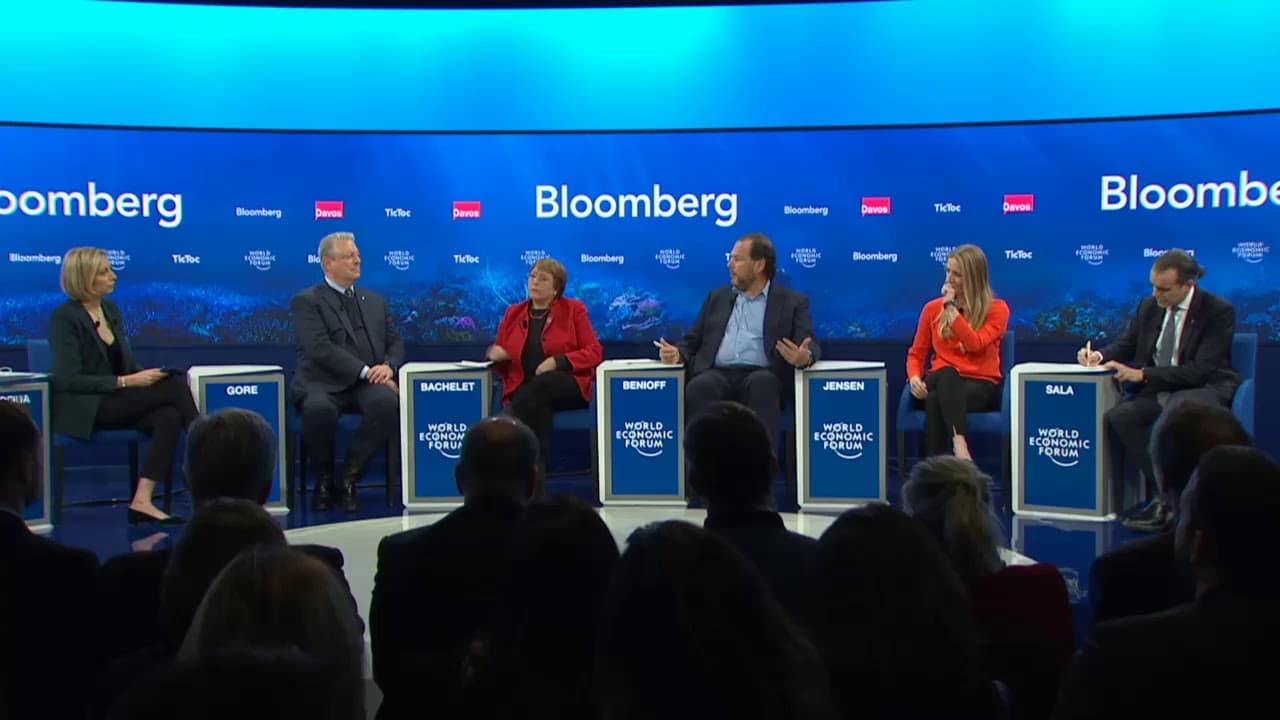
TL;DR
The digital divide remains a significant challenge in the global digital economy, but there are reasons for optimism. Key issues include skills shortages, urban-rural disparities, lack of digital literacy, and data inequality. Bridging the divide requires collaboration between the public and private sectors, and a focus on reskilling and inclusivity. While technology can exacerbate societal inequalities, it also offers opportunities for innovation and shared prosperity. Governments and corporations must work together to address these challenges and create a more inclusive digital future.
Transcript
on the internet my family was fortunate to have a computer and I remember sneaking up to the computer room in my house and stealing my parents AOL login and it took forever I see some nodding heads that would make all these noises you had to use the telephone line boom you're finally on and you know even then as a 15 year old I recognized that it w... Read More
Key Insights
- 🖤 The digital divide remains a significant challenge, encompassing skills shortages, urban-rural disparities, lack of digital literacy, and data inequality.
- 🌉 Bridging the divide requires collaboration between the public and private sectors, with a focus on reskilling and inclusivity.
- 🍉 Technology offers opportunities for innovation and shared prosperity, but also poses challenges in terms of inequality and job displacement.
Install to Summarize YouTube Videos and Get Transcripts
Explore YouTube Video Summarizer or Get YouTube Transcript Extractor
Questions & Answers
Q: What are the key challenges in bridging the digital divide?
The key challenges include skills shortages, urban-rural disparities, lack of digital literacy, and data inequality. These challenges require collaborative efforts between the public and private sectors to address.
Q: What are some examples of successful initiatives in bridging the digital divide?
Initiatives such as STEM education programs, digital literacy campaigns, and public-private partnerships focused on reskilling and inclusivity have shown promise in bridging the divide. Efforts to provide access to technology and create opportunities for marginalized communities can also be effective.
Q: How can the private sector contribute to bridging the digital divide?
The private sector can contribute by investing in reskilling programs, partnering with governments and nonprofits, and promoting diversity and inclusion within their organizations. Companies can also create technologies and solutions that address the specific challenges of the digital divide.
Q: What role does government play in bridging the digital divide?
The government plays a crucial role in providing policy frameworks, incentives, and infrastructure to bridge the divide. Governments can invest in education and training programs, promote digital literacy, and create an enabling environment for technological innovation.
Summary & Key Takeaways
-
The digital divide is a significant challenge in the global digital economy, encompassing skills shortages, urban-rural disparities, lack of digital literacy, and data inequality.
-
Bridging the divide requires collaboration between the public and private sectors, with a focus on reskilling and inclusivity.
-
While technology can exacerbate inequalities, it also offers opportunities for innovation and shared prosperity.
-
Governments and corporations must work together to address these challenges and create a more inclusive digital future.
Read in Other Languages (beta)
Share This Summary 📚
Summarize YouTube Videos and Get Video Transcripts with 1-Click
Try YouTube Summary with ChatGPT & Claude or YouTube Transcript Generator
Explore More Summaries from World Economic Forum 📚

Summarize YouTube Videos and Get Video Transcripts with 1-Click
Try YouTube Summary with ChatGPT & Claude or YouTube Transcript Generator