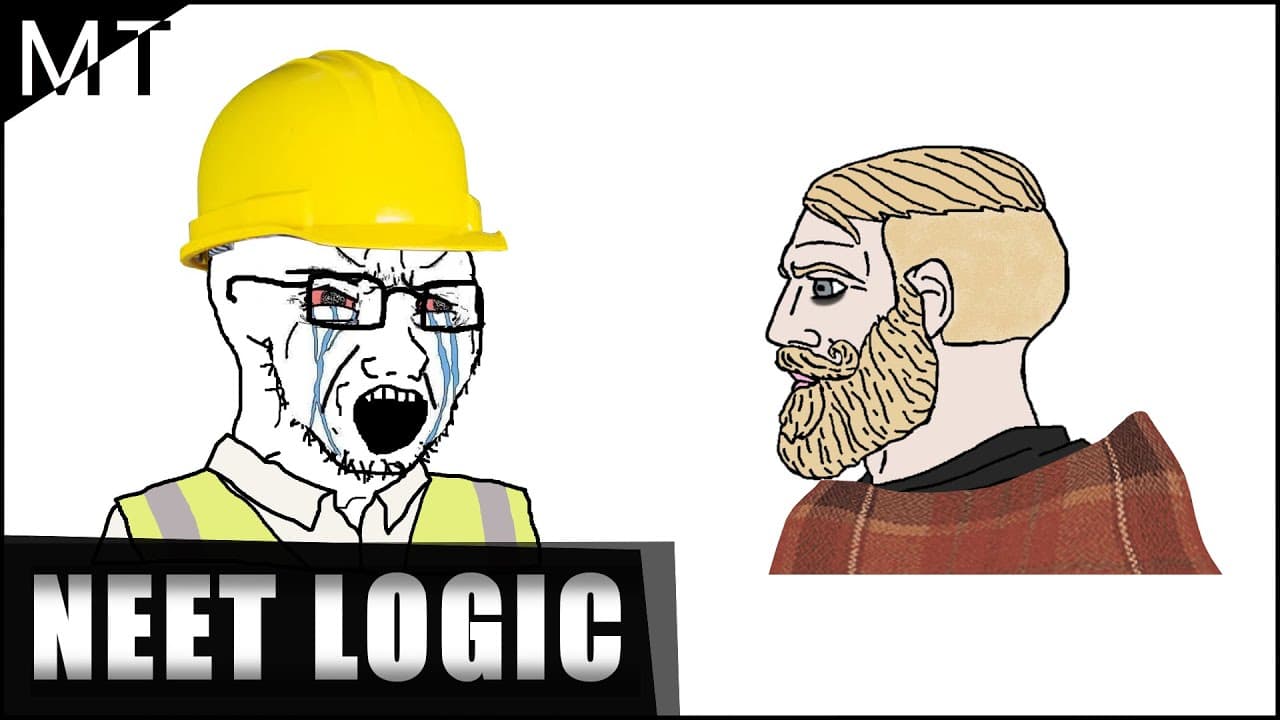
NEET Logic
TL;DR
This conversation explores the lifestyle and mindset of being a NEET, questioning the value of traditional work and financial independence.
Transcript
NEET - not in education, employment, or training: used by the government to describe a young person who is no longer in school and does not have a job or is not training to do a job. Everything seems fine, but right now we are looking for someone with higher education. Just like that? Yeah. You wanted the job, now you see. So tomorrow you have a da... Read More
Key Insights
- 💼 NEET: The government uses the term NEET to describe young people who are not in education, employment, or training. This highlights the importance of higher education for job opportunities.
- 💭 Different Experiences: People have different experiences with being NEET. Some find it initially freeing, while others may experience moments of panic and anxiety.
- 💪 Uncertainty in Work: Working hard for years does not guarantee job security, as many people get replaced by younger workers for whom there are subsidies.
- 💰 Minimalistic Lifestyle: Some individuals argue that humans do not need much in life, as long as they have access to basic necessities like tap water, internet, and food.
- 🏠 Dependency on Parents: Living with parents can provide support, but it also raises questions about independence and self-sufficiency. However, some NEETs believe they can rely on pensions or government assistance.
- 🚶 Slip Under the Radar: NEETs may find strategies to avoid scrutiny from family and friends, such as maintaining a clean room and helping with chores to deflect criticism.
- 👪 Social Perception: Being a NEET can lead to feelings of shame or judgment. However, some NEETs find ways to create excuses or shift the focus to other interests like cryptocurrency.
- 🔄 Lack of Direction: Being NEET can initially provide a sense of freedom, but over time, it may lead to a lack of goals, purpose, and a bitter realization that others are progressing while feeling left behind.
Install to Summarize YouTube Videos and Get Transcripts
Explore YouTube Video Summarizer or Get YouTube Transcript Extractor
Questions & Answers
Q: How do these NEET individuals justify their lifestyle choices to friends and family?
NEET individuals employ various strategies to avoid judgment and criticism from friends and family, including fabricating excuses or focusing on other achievements, such as hobbies or personal interests. They also shift blame onto societal systems and question the value of traditional work.
Q: Is there any long-term plan or consideration for the future for these NEET individuals?
The NEET individuals in this conversation express some concern about their future, highlighting potential challenges such as explaining lengthy gaps in their resumes and ensuring financial stability in old age. However, they also emphasize a carefree, live-in-the-moment mindset, suggesting that these considerations may not take priority in their decision-making.
Q: Are there any social or psychological consequences of choosing the NEET lifestyle?
While the conversation presents a positive outlook on the NEET lifestyle, there may be potential negative consequences in terms of social isolation, lack of personal growth, and self-esteem issues. The long-term implications on mental health and overall fulfillment are worth exploring.
Q: What broader societal issues do these NEET individuals critique?
The conversation touches on various societal issues, including the dependence on government support for those with large families, the lack of reliable pensions for the elderly, and criticisms of the current economic system that values work over personal fulfillment. It raises questions about the fairness and sustainability of these systems.
Q: How do NEET individuals perceive the value of education?
The NEET individuals in this conversation seem skeptical about the benefits of higher education, raising questions about the return on investment and whether it guarantees a successful future. They prioritize personal freedom and enjoyment over traditional paths to success.
Q: Do these NEET individuals advocate for their lifestyle choices to others?
While they express contentment with their own NEET lifestyle, they do encourage their friend to join them. However, it is not clear if they actively advocate for this lifestyle choice on a broader scale or if their invitation is more casual and specific to their friend.
Answer: The NEET lifestyle is subjective, and some individuals may find fulfillment and happiness in living without education, employment, or training. However, there are potential consequences and challenges associated with this choice, including social judgment, potential financial difficulties, and a lack of personal growth. It is essential to consider individual circumstances and priorities when evaluating the viability of this lifestyle.
Summary & Key Takeaways
-
Two friends discuss the benefits of living as NEETs, emphasizing the freedom and lack of stress that comes with not participating in traditional work.
-
They argue that society places too much importance on working for a stable future, highlighting the uncertainties and lack of guarantees in the corporate world.
-
The conversation delves deeper into the dynamics between being dependent on parents, the avoidance tactics used to maintain the NEET lifestyle, and the societal issues of supporting others' children through taxes.
Read in Other Languages (beta)
Share This Summary 📚
Summarize YouTube Videos and Get Video Transcripts with 1-Click
Try YouTube Summary with ChatGPT & Claude or YouTube Transcript Generator
Explore More Summaries from MillenniaThinker 📚

Summarize YouTube Videos and Get Video Transcripts with 1-Click
Try YouTube Summary with ChatGPT & Claude or YouTube Transcript Generator