The impact of Social Media on Youth Identity | Dr. Bhavya Patwa | TEDxYouth@CNMS

TL;DR
Social media has both positive and negative effects on youth identity, providing a platform for self-expression and community support, but also contributing to distortion of self-image, decreased attention span, and increased mental health issues.
Transcript
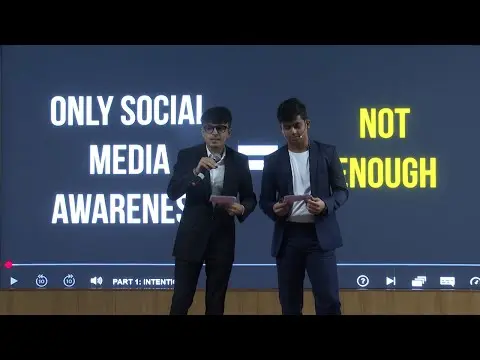
meet Dr bhava pwa a former student of CNM School a dedicated Orthopedic resident at Bombay Hospital Dr Bava volunteered for the meel outbreak in Mumbai in 2022 venturing Into the Heart of gandi Davi and the Indra nagar slums in K west ward he worked alongside Asha workers as an integral part of their ground team contributing to the mass vaccination... Read More
Key Insights
- 😑 Social media provides a stage for self-expression, increasing confidence and awareness among youth.
- 🔉 Online communities on social media platforms foster a supportive network, benefiting individuals on the autism spectrum and those with addiction problems.
- 😅 Distorted self-image, body dissatisfaction, and eating disorders are among the negative impacts of social media on youth.
- 😒 Excessive screen time and decreased attention span are consequences of heavy social media use.
- 🔉 Cyberbullying, anxiety, depression, and feelings of isolation are prevalent issues associated with social media.
- 🔉 Social media exerts immense pressure on youth to conform and stay relevant.
- 🔉 Digital literacy and the ability to differentiate truth from falsehood are crucial skills for navigating social media.
Install to Summarize YouTube Videos and Get Transcripts
Explore YouTube Video Summarizer or Get YouTube Transcript Extractor
Questions & Answers
Q: How does social media benefit youth in terms of their self-esteem and mental resilience?
Social media interactions provide positive reinforcement and encouragement, helping youth develop self-esteem, mental resilience, and self-awareness. Access to online communities fosters a supportive network, which contributes to their overall well-being.
Q: What negative impact does social media have on youth's self-image and body dissatisfaction?
Social media's culture of posting curated content leads to unrealistic beauty standards and lifestyle expectations. Constant exposure to idealized versions of others' lives can develop a sense of inadequacy, leading to body dissatisfaction and unhealthy diet habits, and extreme cases of eating disorders.
Q: How does social media affect the attention span of youth?
Excessive usage of social media, especially short and attention-grabbing content like reels and shorts, has decreased the attention span of youth to less than a minute. This can lead to accidents and injuries when distracted in real-life situations, such as while driving or engaging in physical activities.
Q: How does social media contribute to cyberbullying and mental health issues?
The rise of social media has also led to an increase in cyberbullying, causing anxiety, depression, and body dysmorphia among youth. Constant comparisons with others on social media can lead to a fear of missing out, feelings of jealousy, isolation, and aggression.
Summary & Key Takeaways
-
Social media platforms allow young individuals to share their ideas and emotions, increasing confidence and awareness in an online-friendly environment.
-
Online communities offer a sense of belonging and foster a supportive network, benefiting youth on the autism spectrum and those with addiction problems.
-
Social media provides access to education and tutorials, amplifies diverse voices, and promotes inclusivity, but can also contribute to body dissatisfaction and unhealthy habits.
Read in Other Languages (beta)
Share This Summary 📚
Summarize YouTube Videos and Get Video Transcripts with 1-Click
Try YouTube Summary with ChatGPT & Claude or YouTube Transcript Generator
Explore More Summaries from TEDx Talks 📚





Summarize YouTube Videos and Get Video Transcripts with 1-Click
Try YouTube Summary with ChatGPT & Claude or YouTube Transcript Generator