Shema - Listen
TL;DR
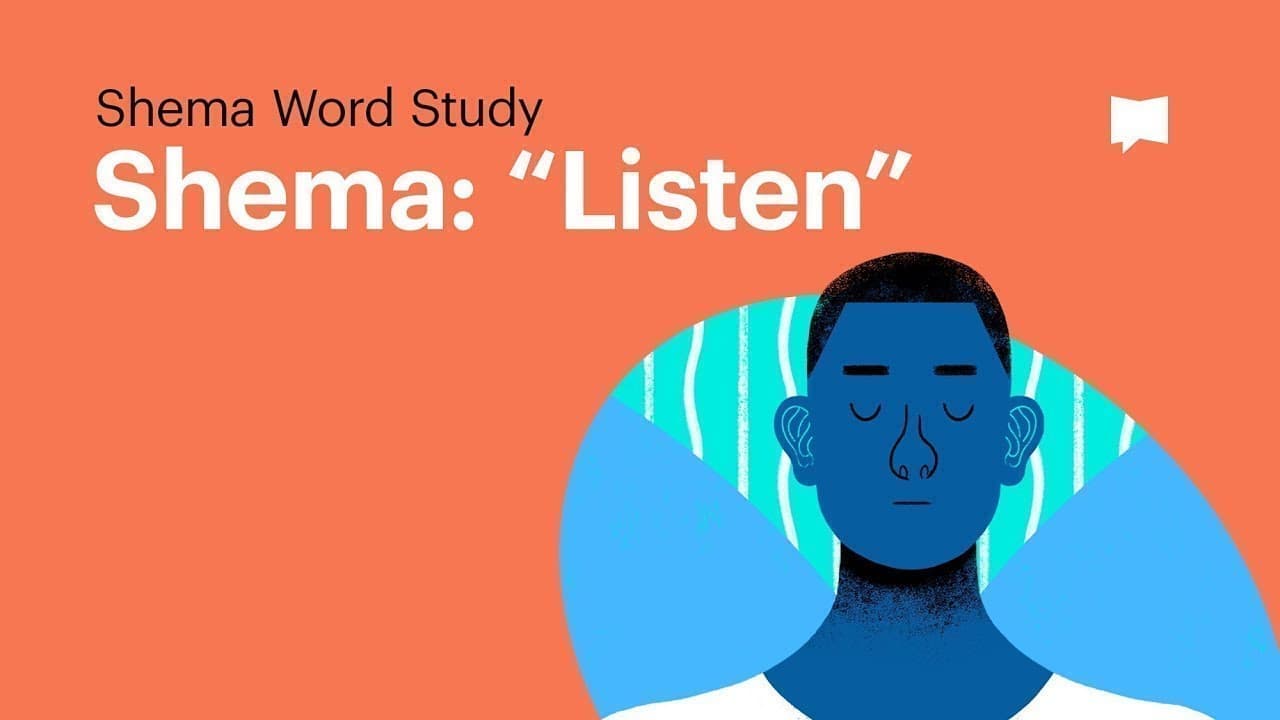
The word "Shema" in Hebrew means to hear, pay attention to, and respond to what you hear.
Transcript
For thousands of years, every morning and evening Jewish people have prayed these well-known words as a way of expressing their devotion to God. They're called the "Shema": "Hear, o Israel, the Lord is our God, the Lord is one. And as for you, you shall love the Lord your God with all of your heart, with all of your soul and with all of your stren... Read More
Key Insights
- 👂 The Shema, a Jewish prayer, expresses devotion to God. The word "shema" means "hear" or "listen" in Hebrew, but it can also mean "pay attention to" and "focus on".
- 🙏 The word "shema" is not only about hearing, but also about responding and taking action.
- 📖 In the Book of Psalms, many cries for help begin with a call for God to "listen". Asking God to shema is asking for action to be taken.
- ⛰️ When the people of Israel came to Mount Sinai, God asked them to "shema" fully and keep the covenant. Listening and obeying are interconnected.
- 💭 In ancient Hebrew, listening and obeying were viewed as two sides of the same coin. There was no separate word for "obey".
- 👂 Real listening in the Bible is about giving respect to the speaker and taking action.
- 🌟 The Bible is a unified story that leads to Jesus and holds wisdom for the modern world.
- 📺 The Bible Project has a Word Studies series that explores the deeper meanings of words in the Bible. They can be found on YouTube and their website.
Install to Summarize YouTube Videos and Get Transcripts
Explore YouTube Video Summarizer or Get YouTube Transcript Extractor
Questions & Answers
Q: How is the word "Shema" used in the Bible to express a plea for God's response?
In the Bible, the word "Shema" is often used to ask God to listen and act, as seen in Psalms where the cry for help begins with a call for God to "Shema my voice when I call."
Q: How does listening relate to keeping the Covenant in the Bible?
In Exodus, the word "Shema" is repeated twice to emphasize the importance of listening, highlighting that from God's point of view, listening is equivalent to keeping the Covenant.
Q: What does "Shema" imply about the relationship between listening and obeying?
In Hebrew, there is no separate word for "obey," so to convey the idea of listening and doing what is said, the word "Shema" is used. In the Bible, listening and obeying are interconnected.
Q: What is the significance of the phrase "They have ears, but they're not listening" in the Hebrew prophets' messages?
The phrase signifies that the Israelites could hear but were not truly listening or obeying. It suggests that real listening involves respect and taking action based on what is heard.
Q: How does the use of the word "Shema" reflect the Jewish devotion to God?
The recurring use of the word "Shema" in prayers like the "Shema Yisrael" emphasizes the importance of not only hearing but also fully paying attention to and responding to God's teachings.
Summary & Key Takeaways
-
"Shema" is a common word in the Hebrew Bible, meaning "hear" or "listen."
-
In addition to letting sound waves enter your ear, "Shema" also means to pay attention to and focus on something.
-
The word "Shema" is used in the Bible to convey the idea of listening and obeying, with no separate word for "obey" in ancient Hebrew.
Read in Other Languages (beta)
Share This Summary 📚
Summarize YouTube Videos and Get Video Transcripts with 1-Click
Try YouTube Summary with ChatGPT & Claude or YouTube Transcript Generator
Explore More Summaries from BibleProject 📚



Summarize YouTube Videos and Get Video Transcripts with 1-Click
Try YouTube Summary with ChatGPT & Claude or YouTube Transcript Generator