How the world's largest solar power plant works
TL;DR
India has become a global leader in solar energy, overcoming challenges of land acquisition and extreme weather conditions, and is on track to achieve its ambitious renewable energy targets.
Transcript
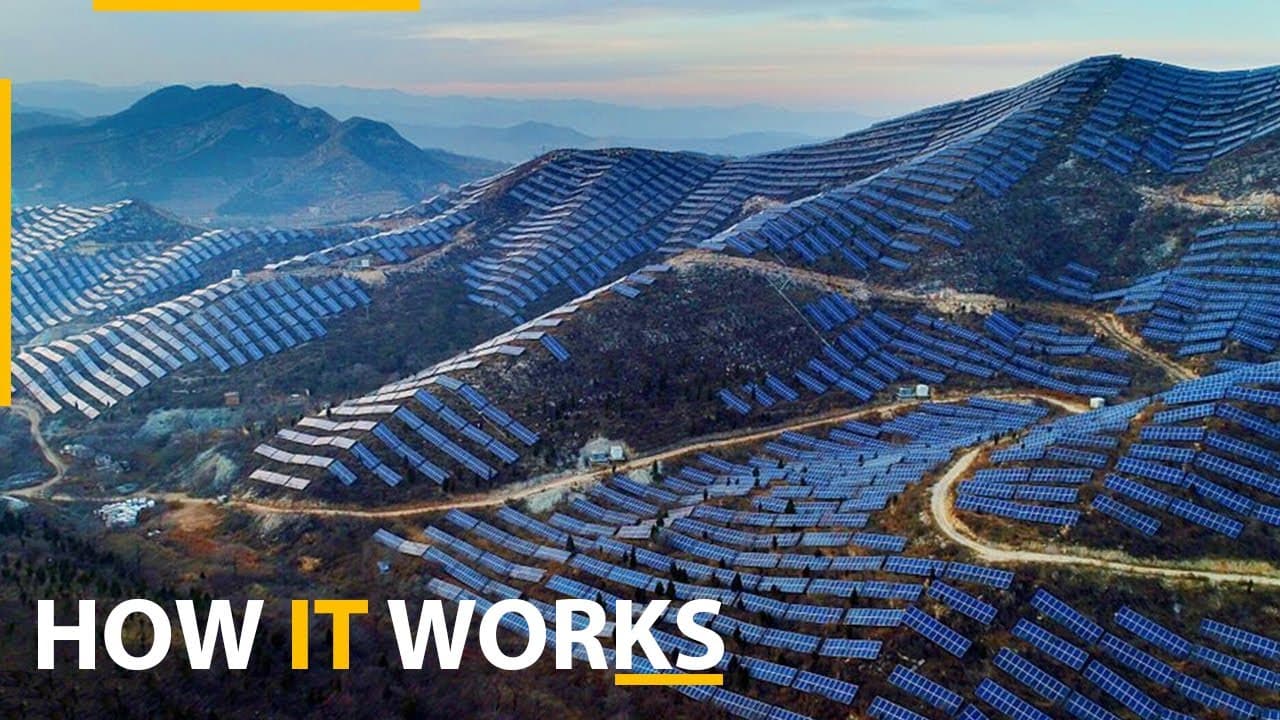
more and more countries of the world are beginning to use alternative energy sources including solar as a result modest rooftop panels are being replaced by solar farms spread over vast areas the largest solar power plants in the world benben solar park is located in egypt covers an area of 37 square kilometers and generates a capacity of 1 650 meg... Read More
Key Insights
- 🌍 The world is increasingly utilizing alternative energy sources, such as solar power, with solar farms becoming more prevalent. The largest solar power plants globally include the Benban Solar Park in Egypt, Shaktis Thala in India, and the Hainan Solar Park in China.
- 💡 Access to electricity has transformed rural communities in India, enabling children to study in the evening and farmers to milk cows after sunset. India has become the third-largest supplier of solar energy, surpassing Japan, thanks to declining solar panel prices and government energy programs.
- 🌱 Land acquisition is a major challenge for solar projects in India due to high population density, expensive land costs, and multiple owners. To overcome this, a rental program was introduced to incentivize locals to lease their land to the government instead of using it for agriculture.
- ☀️ India has excellent conditions for solar energy, with nearly 300 sunny days per year. Installed solar capacity in India has grown significantly, reaching 32 gigawatts in the past five years. The government aims to triple this figure and produce 450 gigawatts of wind and solar power by 2030.
- 🏞️ The Badla Solar Park in India, located in the arid Rajasthan state, has faced challenges posed by sand dunes, extreme heat, and remote location. Despite these obstacles, it has become the largest solar park globally, with a capacity of 2,245 megawatts.
- 💪 India's solar power projects, like the Badla Solar Park, contribute to addressing the energy shortage in neighboring regions. The country aims to provide electricity to 60 million households and produce 100 gigawatts of solar energy by 2022.
- 📈 India's commitment to renewable energy is evident in the government's approval of a 4,075 megawatt solar park project in Gujarat's Thar Desert. This project, part of a larger hybrid renewable energy park, will contribute to economic development, modernization of infrastructure, and an improved standard of living for citizens. ⏳ It is difficult to predict precisely when the world will fully transition to renewable energy sources. However, with the increasing global focus on combating climate change, reducing emissions, and improving sustainability, the transition is expected to happen over several decades.
Install to Summarize YouTube Videos and Get Transcripts
Explore YouTube Video Summarizer or Get YouTube Transcript Extractor
Questions & Answers
Q: What factors contributed to India's rise as a leader in solar energy?
India's ascent in solar energy was fueled by decreasing solar panel prices, government energy programs, and ambitious renewable energy targets.
Q: How did India overcome challenges in land acquisition for solar parks?
To navigate land ownership complexities, India introduced a rental program that incentivized local residents to lease their land for solar parks instead of selling it outright.
Q: What were the operational challenges faced by solar power plants in Rajasthan?
Solar power plants in Rajasthan, like Badla Solar Park, faced extreme heat, frequent sandstorms, and the remote location of the plant, making maintenance and panel installation more difficult.
Q: How does solar energy contribute to India's economic development?
Solar energy in India helps address energy shortages in the country and supports economic growth by powering industries, improving rural infrastructure, and raising the standard of living for citizens.
Q: What are India's future plans for solar energy production?
India aims to provide electricity to 60 million households and produce 100 gigawatts of solar energy by 2022, with ongoing projects like the proposed 4,075 megawatt solar park in Gujarat's Thar Desert.
Summary & Key Takeaways
-
India overtook Japan in 2017 to become the third-largest supplier of solar energy in the world, driven by declining solar panel prices and government energy programs.
-
Land acquisition and ownership complexities in India posed challenges to renewable energy projects, but a rental program was introduced to incentivize local residents to lease land for solar parks.
-
India's extreme heat and sandstorms in regions like Rajasthan presented operational difficulties, but the largest solar park in the world, Badla Solar Park, with a capacity of 2,245 megawatts, overcame these challenges.
Read in Other Languages (beta)
Share This Summary 📚
Summarize YouTube Videos and Get Video Transcripts with 1-Click
Try YouTube Summary with ChatGPT & Claude or YouTube Transcript Generator
Explore More Summaries from Innovative Techs 📚
Summarize YouTube Videos and Get Video Transcripts with 1-Click
Try YouTube Summary with ChatGPT & Claude or YouTube Transcript Generator