What Are Canker Sores and How Can You Prevent Them?
TL;DR
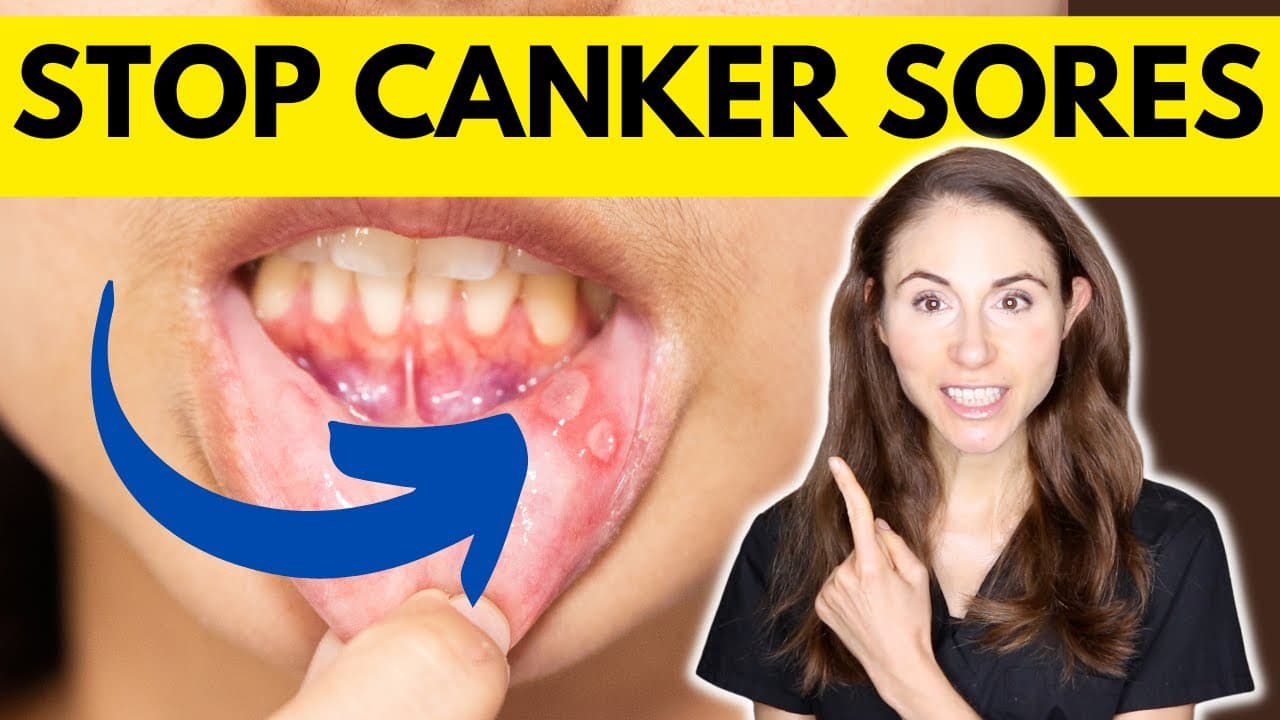
Canker sores, or aphthous ulcers, are painful mouth ulcers that can be triggered by factors like stress, certain foods, sleep deprivation, and hormonal changes. To prevent them, it's essential to manage stress, avoid known triggers, maintain good nutritional levels, and switch to less irritating toothpaste. While there’s no cure, awareness of triggers can help reduce occurrences.
Transcript
well hey guys in today's video we're going to be talking about everything you need to know about those pesky canker sours let me know in the comments do you get canker sours they're very uncomfortable canker sores are also called apus ulcers they can happen inside the mouth but in some cases they also can happen in the genitalia they appear as thes... Read More
Key Insights
- 🤑 Canker sores, also known as apthous ulcers, can occur inside the mouth or genitalia and are characterized by painful punched-out ulcers.
- 🖐️ Genetic factors and immune system response play a role in the development of canker sores.
- 😋 Triggers such as stress, lack of sleep, mechanical trauma, certain foods, deficiencies in B12 and folate, toothpaste ingredients, hormonal changes, certain medications, and viral infections can lead to canker sore outbreaks.
Install to Summarize YouTube Videos and Get Transcripts
Explore YouTube Video Summarizer or Get YouTube Transcript Extractor
Questions & Answers
Q: What are the different types of canker sores and how do they differ?
There are three types of canker sores: minor, major, and herpetiform. Minor canker sores are small in size and heal without scarring. Major canker sores are larger and take longer to heal, leaving scars behind. Herpetiform canker sores are tiny ulcers that cluster together on the tongue, typically occurring in older adults.
Q: What are some potential triggers for canker sores?
Emotional stress, lack of sleep, mechanical trauma, certain foods (spicy, acidic, carbonated, or sharp foods), B12 and folate deficiencies, certain toothpaste ingredients, hormonal changes (puberty, menstruation, pregnancy, menopause), certain medications, and viral infections can all be triggers for canker sores.
Q: Can canker sores be cured?
There is no cure for canker sores, but treatment aims to alleviate pain and symptoms. Topical medications, topical anesthetics, silver nitrate sticks, and antibacterial mouth rinses can be used. Avoiding trigger foods, managing stress, getting enough sleep, and addressing underlying deficiencies or conditions may also help reduce the frequency of canker sores.
Q: Are canker sores contagious?
Canker sores themselves are not contagious, but certain viral infections, such as herpes simplex virus, can cause cold sores, which are often mistaken for canker sores. Cold sores are contagious and can be spread through direct contact.
Summary & Key Takeaways
-
Canker sores are small ulcers that can appear inside the mouth and can be caused by genetic factors, immune system response, stress, lack of sleep, mechanical trauma, hormonal changes, certain foods, medication, and viral infections.
-
There are three types of canker sores: minor, major, and herpetiform. Minor canker sores are small and heal within a week or two without scarring. Major canker sores are larger and take longer to heal, leaving scars behind. Herpetiform canker sores are tiny ulcers clustered together on the tongue.
-
Triggers for canker sores include emotional stress, lack of sleep, mechanical trauma, certain foods, B12 and folate deficiencies, toothpaste ingredients, hormonal changes, certain medications, and viral infections.
Read in Other Languages (beta)
Share This Summary 📚
Summarize YouTube Videos and Get Video Transcripts with 1-Click
Try YouTube Summary with ChatGPT & Claude or YouTube Transcript Generator
Explore More Summaries from Dr Dray 📚



Summarize YouTube Videos and Get Video Transcripts with 1-Click
Try YouTube Summary with ChatGPT & Claude or YouTube Transcript Generator