How to Talk to Someone Who Believes in Conspiracy Theories
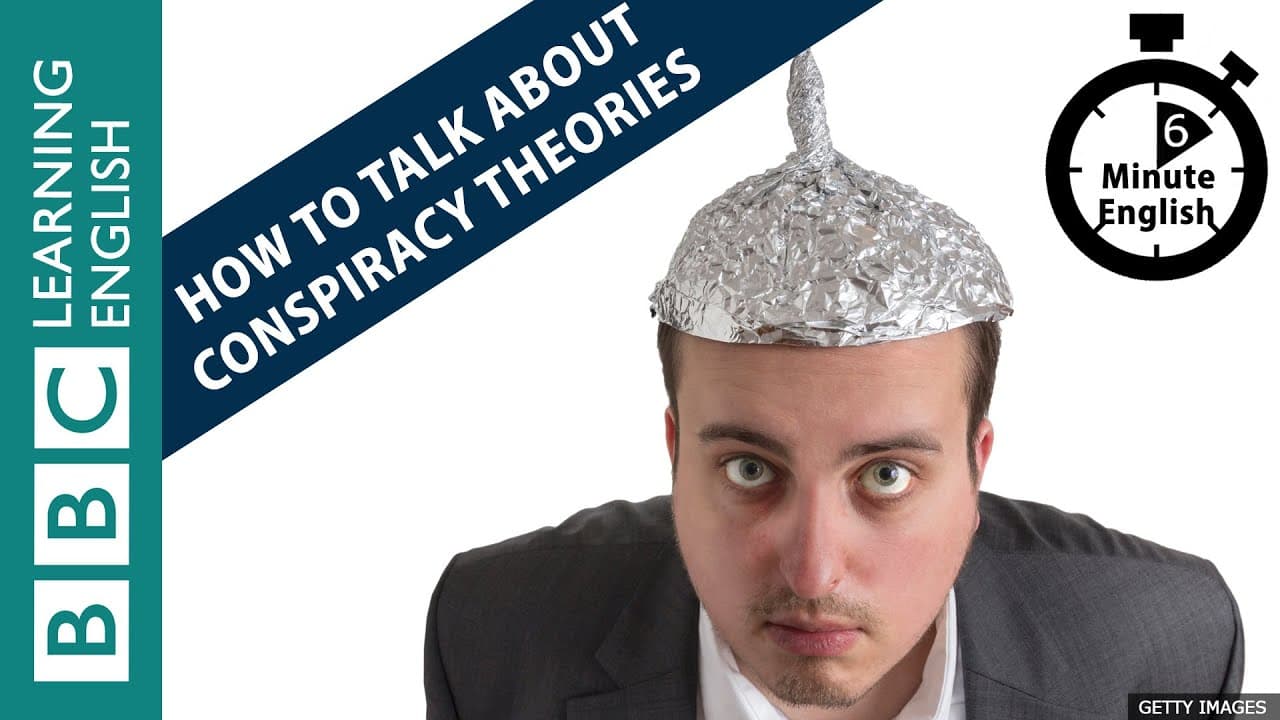
TL;DR
To effectively engage someone who believes in conspiracy theories, separate the belief from the person and approach the conversation with understanding and respect. Present factual information neutrally, avoiding dismissive language, and try to uncover the legitimate concerns behind their beliefs. This method can help counter misinformation and encourage a more productive dialogue.
Transcript
Hello. This is 6 Minute English from BBC Learning English. I'm Neil. And I'm Sam. Tell me, Sam, do you think Neil Armstrong really landed on the Moon in 1969? I mean, that must be fake news! And who shot JFK? Surely the CIA were involved? Unless it was the giant lizards controlling the government! Oh dear! It looks like reading online conspiracies ... Read More
Key Insights
- The rise of the internet has led to an increase in conspiracy theories, especially during times of crisis when people seek security.
- Bill Gates has been a frequent target of conspiracy theories, with claims ranging from microchipping to being involved in COVID-19.
- Conspiracy theories often lack evidence and should be treated with disdain, meaning they do not deserve serious attention.
- To address someone convinced by conspiracies, separate the belief from the person and avoid dismissive language.
- Establishing a basis of understanding and presenting factual information neutrally can help engage those who believe in conspiracies.
- Some conspiracy theories are harmless, but others, like those about vaccines, can have dangerous implications for public health.
- Avoiding sweeping generalizations and engaging in calm discussions can help counter misinformation.
- The metaphor of 'going down the rabbit hole' describes getting lost in confusing and hard-to-escape situations, often caused by online conspiracies.
Install to Summarize YouTube Videos and Get Transcripts
Explore YouTube Video Summarizer or Get YouTube Transcript Extractor
Questions & Answers
Q: What are some common targets of conspiracy theories?
Common targets of conspiracy theories include public figures like Bill Gates, who has been accused of various unfounded actions such as microchipping people through vaccines. These theories often arise during times of crisis when people seek explanations for complex events.
Q: How should one approach someone who believes in conspiracy theories?
When approaching someone who believes in conspiracy theories, it's crucial to separate the belief from the person. Engage them with understanding, avoid dismissive language, and present factual information neutrally to encourage open dialogue and reconsideration of their views.
Q: Why do conspiracy theories become more prevalent during crises?
Conspiracy theories become more prevalent during crises because people feel uncertain and fearful, leading them to seek information that provides a sense of security. The internet often becomes a source of both reliable facts and misinformation, which can fuel these theories.
Q: What is the metaphor 'going down the rabbit hole' used to describe?
The metaphor 'going down the rabbit hole' describes entering a situation that seems interesting and straightforward at first but becomes strange, confusing, and difficult to escape. It is often used in the context of getting lost in online conspiracy theories.
Q: What advice does Dr. Jovan Byford give for dealing with conspiracies?
Dr. Jovan Byford advises separating the conspiracy belief from the person, establishing a basis of understanding, and avoiding sweeping dismissals. He suggests presenting facts and research neutrally and addressing legitimate concerns at the heart of the conspiracy.
Q: How can sweeping generalizations affect discussions about conspiracies?
Sweeping generalizations can negatively affect discussions about conspiracies by oversimplifying complex issues and alienating those who hold these beliefs. Engaging in thoughtful, specific dialogue is more effective in addressing and potentially changing these beliefs.
Q: What role does misinformation play in the spread of conspiracy theories?
Misinformation plays a significant role in the spread of conspiracy theories by providing unfounded explanations that appeal to those seeking certainty. It often circulates online, making it accessible to a wide audience and contributing to the persistence of these beliefs.
Q: Why is it important to address dangerous conspiracy theories about vaccines?
It's important to address dangerous conspiracy theories about vaccines because they can undermine public health efforts, leading to decreased vaccine uptake and exacerbating health crises like the COVID-19 pandemic. Providing accurate information is crucial to counter these harmful beliefs.
Summary & Key Takeaways
-
The program discusses how to handle conversations with people who believe in conspiracy theories, especially those related to COVID-19 and Bill Gates. It emphasizes the importance of separating the belief from the person and approaching the topic with understanding.
-
Conspiracy theories have increased with the internet, often becoming more prevalent during crises. The program advises against dismissing these theories outright and instead suggests presenting factual information neutrally to engage believers.
-
Some conspiracy theories can have serious consequences, such as those concerning vaccines. The program highlights the need to understand the underlying concerns of these beliefs and to avoid making sweeping generalizations when discussing them.
Read in Other Languages (beta)
Share This Summary 📚
Summarize YouTube Videos and Get Video Transcripts with 1-Click
Try YouTube Summary with ChatGPT & Claude or YouTube Transcript Generator
Explore More Summaries from BBC Learning English 📚

Summarize YouTube Videos and Get Video Transcripts with 1-Click
Try YouTube Summary with ChatGPT & Claude or YouTube Transcript Generator