What Do Questions as Warnings Really Mean?
TL;DR
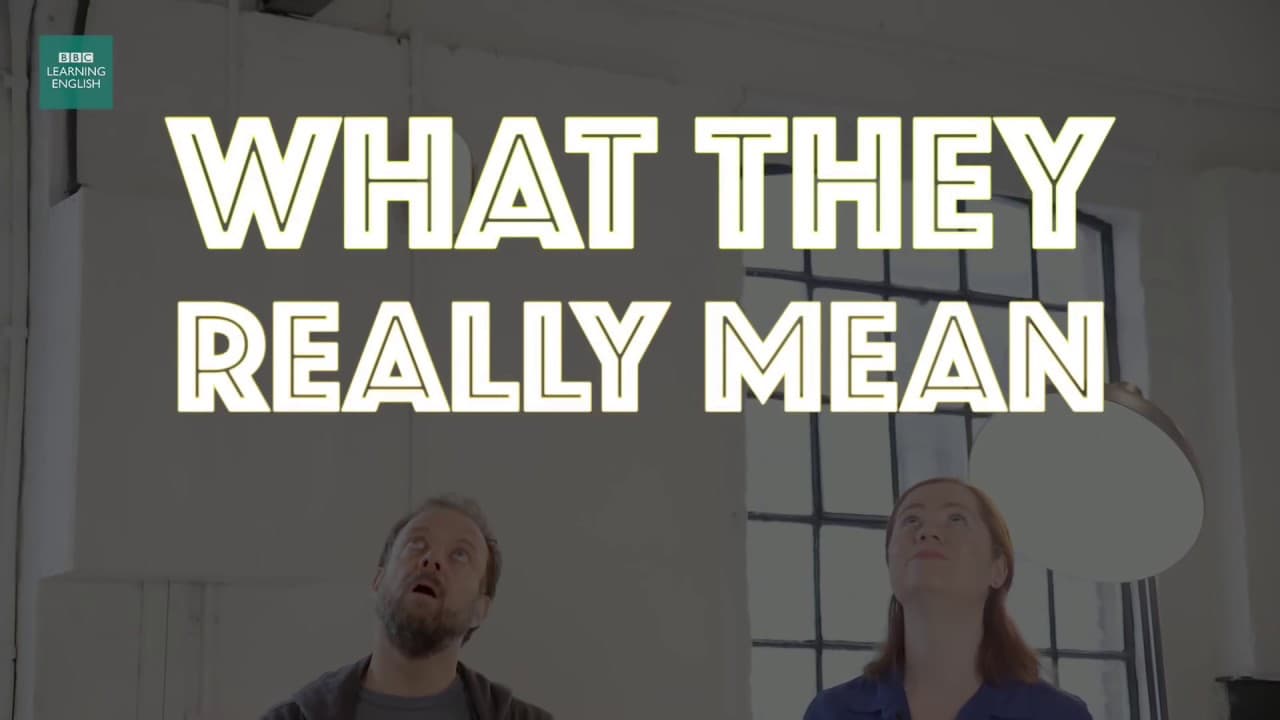
Questions can serve as indirect warnings rather than genuine inquiries, as illustrated by Chloe's questions about Mark's hat. Recognizing the context and tone can help you identify when questions are meant to convey subtle warnings, preventing misunderstandings and social faux pas.
Transcript
Sometimes the things people say don't mean what we think they do. and that can lead to misunderstandings. Thinking about context is essential if you want to understand what people really mean. Mark's not very good at this, but luckily I'm here to help him work out what people really mean. Chloe: Are you really wearing that hat? Claire: Of course Ma... Read More
Key Insights
- Questions can sometimes be used as indirect warnings rather than genuine inquiries, as demonstrated by Chloe's questions about Mark's hat.
- Understanding the context and tone of a question is crucial to deciphering whether it is a warning or a genuine inquiry.
- Chloe's questions were not meant to be answered; they were meant to alert Mark to the ridiculousness of his hat.
- The tone of voice often distinguishes questions used as warnings, which may mimic the intonation of statements.
- Misunderstandings arise when individuals fail to recognize the indirect nature of certain questions, leading to communication breakdowns.
- Questions used as warnings can be about various topics, including fashion choices, weather, time, or ideas.
- The video illustrates how indirect communication can lead to misunderstandings and emphasizes the importance of recognizing these cues.
- Learning to identify indirect warnings can improve interpersonal communication and prevent potential social faux pas.
Install to Summarize YouTube Videos and Get Transcripts
Explore YouTube Video Summarizer or Get YouTube Transcript Extractor
Questions & Answers
Q: Why did Chloe ask Mark about his hat?
Chloe's questions about Mark's hat were not genuine inquiries but indirect warnings. She was trying to subtly alert Mark to the fact that his hat looked ridiculous. By asking questions like 'Are you really wearing that hat?' she hoped to prompt him to reconsider his choice without directly criticizing him.
Q: How can you tell if a question is a warning?
To determine if a question is a warning, consider the context and whether the information is already known or obvious. Pay attention to the tone of voice; questions used as warnings often have the same intonation as statements. If the answer is evident, the question might be a polite warning rather than a genuine inquiry.
Q: What is the significance of tone in questions used as warnings?
Tone plays a crucial role in identifying questions used as warnings. Such questions often mimic the intonation of statements, which can signal that the question is not seeking an answer but rather serving as a polite warning. Recognizing this tone can help avoid misunderstandings and improve communication.
Q: What are some topics that questions as warnings might cover?
Questions used as warnings can cover a wide range of topics, including personal appearance, such as fashion choices, weather conditions, time management, or even people's ideas and opinions. The key is that these questions are not seeking information but are intended to alert the listener to something they might not have considered.
Q: Why did Mark not understand Chloe's warning?
Mark did not understand Chloe's warning because he took her questions at face value, interpreting them as genuine inquiries rather than indirect warnings. He failed to recognize the context and tone that indicated Chloe was trying to subtly alert him to the ridiculousness of his hat, leading to a misunderstanding.
Q: How does the video suggest preventing misunderstandings in communication?
The video suggests that to prevent misunderstandings, individuals should pay close attention to the context and tone of questions. Recognizing when a question is an indirect warning rather than a genuine inquiry can help avoid miscommunication and social faux pas. Understanding these cues can significantly enhance interpersonal communication skills.
Q: What lesson does the video aim to teach viewers?
The video aims to teach viewers about the importance of understanding indirect communication, particularly when questions are used as warnings. By recognizing these subtle cues, individuals can avoid misunderstandings and improve their communication skills. The lesson emphasizes the need to consider context and tone to accurately interpret the intent behind questions.
Q: How does the video relate to learning English?
The video relates to learning English by highlighting the nuances of spoken communication, such as understanding indirect warnings. It teaches language learners to recognize subtle cues in conversation, which is essential for effective communication in English. This understanding helps learners navigate social interactions more smoothly and avoid potential misunderstandings.
Summary & Key Takeaways
-
The video demonstrates how questions can serve as indirect warnings, as seen when Chloe questions Mark about his hat. Understanding such cues can prevent misunderstandings.
-
Chloe's questions weren't seeking answers but were subtle warnings about Mark's hat. Recognizing the tone and context of questions is crucial for proper communication.
-
Misunderstandings occur when indirect communication is not understood. The video teaches viewers to recognize when questions are used as warnings to avoid potential embarrassment.
Read in Other Languages (beta)
Share This Summary 📚
Summarize YouTube Videos and Get Video Transcripts with 1-Click
Try YouTube Summary with ChatGPT & Claude or YouTube Transcript Generator
Explore More Summaries from BBC Learning English 📚
Summarize YouTube Videos and Get Video Transcripts with 1-Click
Try YouTube Summary with ChatGPT & Claude or YouTube Transcript Generator