Why Do We Cling to Books We Never Read?
TL;DR
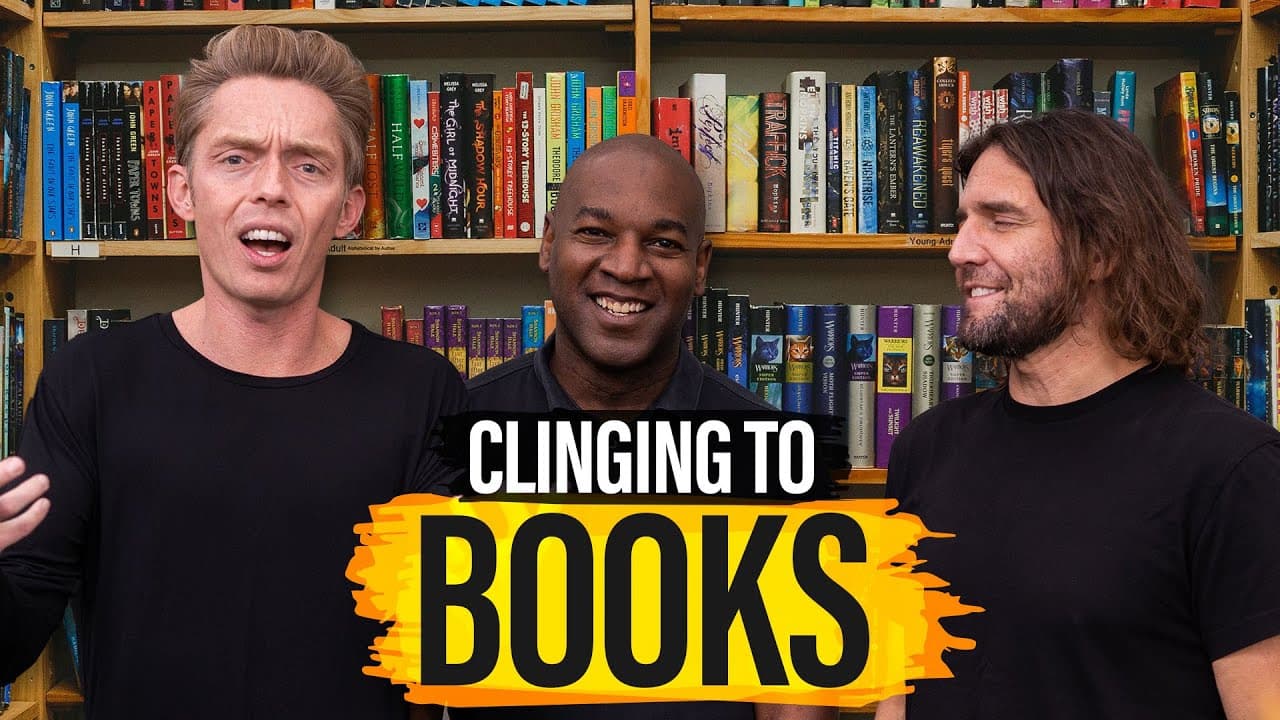
Many people hold onto books they never read due to emotional attachments, aspirations, or the perceived value of the books. Letting go of such books can free up physical and mental space, allowing for a more focused and intentional living. Consider donating unused books to libraries or community book exchanges to benefit others.
Transcript
hello everybody Welcome to the minimalist podcast where we discuss what it means to live a meaningful life with les my name is Joshua Fields Milburn and I'm Ryan Nicodemus and together we are the minimalists we're here with Alabama hi everybody TK Coleman it's the most wonderful time it's always the Most Wonderful Time of the Year coming up today o... Read More
Key Insights
- People often keep books due to emotional attachments or aspirations of reading them in the future.
- Letting go of books can free up both physical and mental space, reducing clutter.
- Books that are never read can become a form of clutter, getting in the way of a minimalist lifestyle.
- Donating unused books to libraries or community book exchanges can benefit others and the community.
- Writing habits should focus on consistency and finding a compelling reason to write.
- Self-promotion in writing should stem from genuine belief in the work rather than a feeling of obligation.
- Narrative urgency in writing is crucial; it ensures each sentence propels the reader to the next.
- Understanding and evolving the stories we tell ourselves about our possessions can help in letting go.
Install to Summarize YouTube Videos and Get Transcripts
Explore YouTube Video Summarizer or Get YouTube Transcript Extractor
Questions & Answers
Q: Why do people hold onto books they never read again?
People often keep books due to emotional attachments, aspirations of reading them in the future, or the perceived intellectual value they add. These books can become a form of clutter, both physically and mentally, as they occupy space and create a sense of obligation or guilt for not reading them.
Q: How can one effectively let go of books?
To effectively let go of books, consider whether they truly add value to your life. If not, donate them to libraries or community book exchanges where they can benefit others. This not only reduces clutter but also helps in fostering a minimalist lifestyle by focusing on what truly matters.
Q: What are ideal writing habits?
Ideal writing habits involve consistency, focus, and a compelling reason to write. Establish a routine where writing is prioritized, and eliminate distractions to maintain focus. The habit should be driven by a genuine passion for the subject matter, which makes the process rewarding and sustainable.
Q: How should writers approach self-promotion?
Writers should approach self-promotion by genuinely believing in their work and sharing it enthusiastically with others. It's important to focus on the value the work provides rather than feeling obligated to sell. Authenticity in promotion resonates more with audiences and can lead to greater engagement.
Q: What is narrative urgency in writing?
Narrative urgency is the quality of writing that compels readers to continue from one sentence to the next. It ensures that each part of the text is engaging and necessary, creating a seamless flow that maintains the reader's interest and investment in the story or content.
Q: How can understanding our stories about possessions help in minimalism?
Understanding the stories we tell ourselves about our possessions can help identify why we hold onto them. By recognizing whether these stories are still relevant or beneficial, we can make informed decisions about what to keep and what to let go, aligning our possessions with our current values and needs.
Q: What is the impact of book clutter on mental space?
Book clutter can impact mental space by creating a sense of overwhelm or guilt for not reading them. It can distract from focusing on more meaningful activities and hinder the ability to live intentionally. Reducing book clutter can lead to a clearer mind and a more organized living environment.
Q: How can one donate books intentionally?
To donate books intentionally, research local libraries, schools, or community book exchanges that accept donations. Consider the needs and interests of these organizations to ensure the books will be appreciated and utilized. This approach not only declutters your space but also supports community literacy and education.
Summary & Key Takeaways
-
People often hold onto books due to emotional reasons, aspirations, or the perceived value they add to one's life. Letting go of such books can reduce clutter and free up space, both physically and mentally. Consider donating books to libraries or community exchanges to help others.
-
Writing habits should be consistent and driven by a compelling purpose. Self-promotion should come from a genuine belief in one's work. Narrative urgency in writing ensures each sentence compels the reader to continue.
-
Evolving the stories we tell ourselves about our possessions, such as books, can aid in the process of letting go. This understanding helps in maintaining a minimalist lifestyle and focusing on what truly adds value to our lives.
Read in Other Languages (beta)
Share This Summary 📚
Summarize YouTube Videos and Get Video Transcripts with 1-Click
Try YouTube Summary with ChatGPT & Claude or YouTube Transcript Generator
Explore More Summaries from The Minimalists Podcast 📚





Summarize YouTube Videos and Get Video Transcripts with 1-Click
Try YouTube Summary with ChatGPT & Claude or YouTube Transcript Generator