A Sense of Wonder: Restoring Curiosity and Inquisitiveness to the Classroom
TL;DR
This presentation discusses the importance of reinvigorating curiosity in education and provides strategies to do so.
Transcript
me to oxfords obviously talker on a sense of wonder my name is Costa I currently am an assistant head teacher in a school in Dubai called Jumeirah english-speaking school I've been involved with vib for quite a number of years in many different capacities I work very closely with the IB coordinators group in in the UAE in the United Arab Emirates I... Read More
Key Insights
- 🏆 Traditional education models often prioritize test outcomes and neglect the development of curiosity and inquisitiveness.
- 🧑🎓 By reflecting on the learning process and emphasizing the journey to finding answers, students can develop a deeper understanding and appreciation for their own learning.
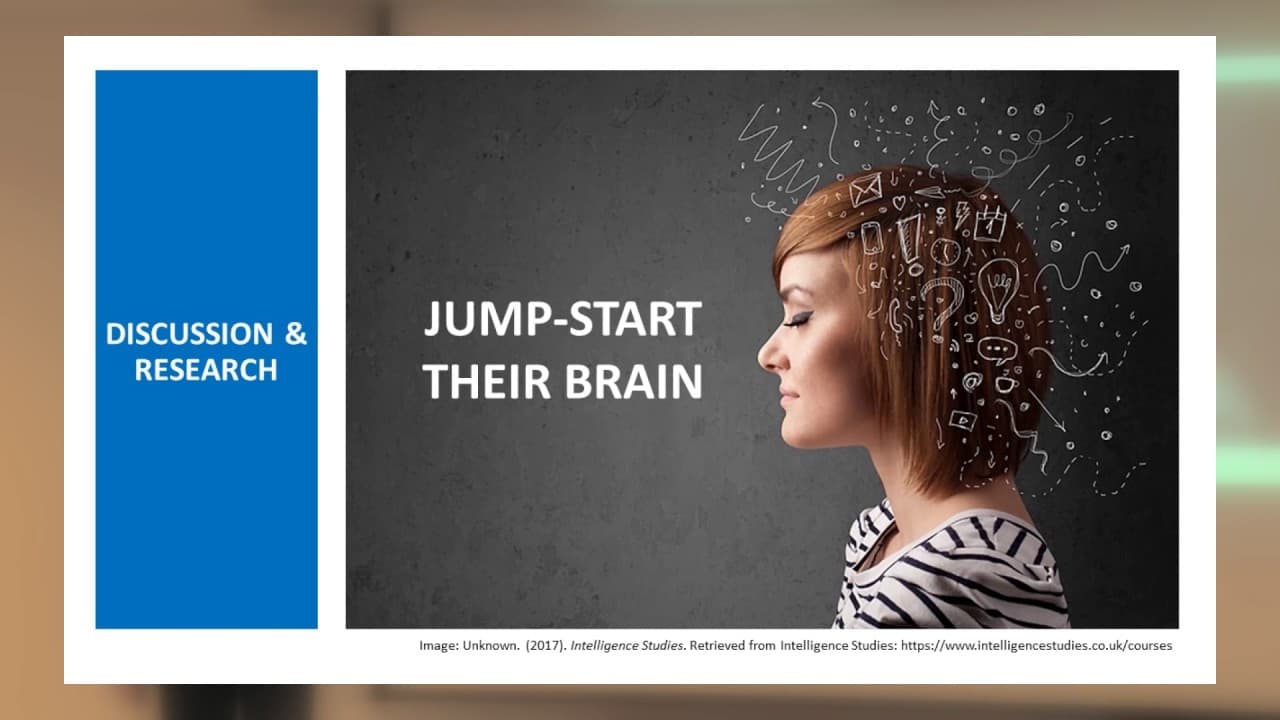
- 💭 Engaging activities and thought-provoking questions can jump-start students' brains, promoting curiosity and a desire to explore and discover.
- 🤯 The Theory of Knowledge (TOK) approach, which encourages critical questioning and analysis, can help develop curious and inquisitive minds.
- 🤔 Restoring curiosity and inquisitiveness in education can prevent gullibility and promote critical thinking skills.
- 🤔 Fostering curiosity is valuable not only for educational success but also for the creative process and the ability to see potential and think outside the box.
Install to Summarize YouTube Videos and Get Transcripts
Explore YouTube Video Summarizer or Get YouTube Transcript Extractor
Questions & Answers
Q: Why does curiosity decline as students progress through school?
The presenter suggests that the structure and goals of traditional education prioritize test outcomes, leading to a focus on delivering content and answers instead of encouraging curiosity.
Q: How can reflecting on the learning process help restore curiosity?
By shifting the focus away from exam results and towards the process of answering questions, students can develop a deeper understanding and appreciation for the subject matter, as well as their own learning journey.
Q: How can jump-starting students' brains promote curiosity?
The presenter encourages teachers to use engaging activities, such as thought-provoking videos or intriguing objects, to spark curiosity and get students actively thinking and asking questions about the world around them.
Q: How can critical questioning skills be developed in students?
The presenter suggests incorporating the Theory of Knowledge (TOK) approach, which emphasizes questioning and critically analyzing knowledge claims. By asking students "how do we know that?" and challenging them to think critically, their curiosity and inquiry skills can be nurtured.
Summary & Key Takeaways
-
The presenter discusses the decline of curiosity and wonder in education as students progress through school.
-
Traditional education models prioritize test outcomes over fostering curiosity and inquisitiveness.
-
The presenter suggests three approaches to restore curiosity in education: reflecting on the learning process, jump-starting students' brains through engaging activities, and promoting critical questioning skills.
Read in Other Languages (beta)
Share This Summary 📚
Summarize YouTube Videos and Get Video Transcripts with 1-Click
Try YouTube Summary with ChatGPT & Claude or YouTube Transcript Generator
Explore More Summaries from Oxford Education 📚


Summarize YouTube Videos and Get Video Transcripts with 1-Click
Try YouTube Summary with ChatGPT & Claude or YouTube Transcript Generator