1 Peter 1 (Part 1) :1-2 • Elect According to the Foreknowledge of God
TL;DR
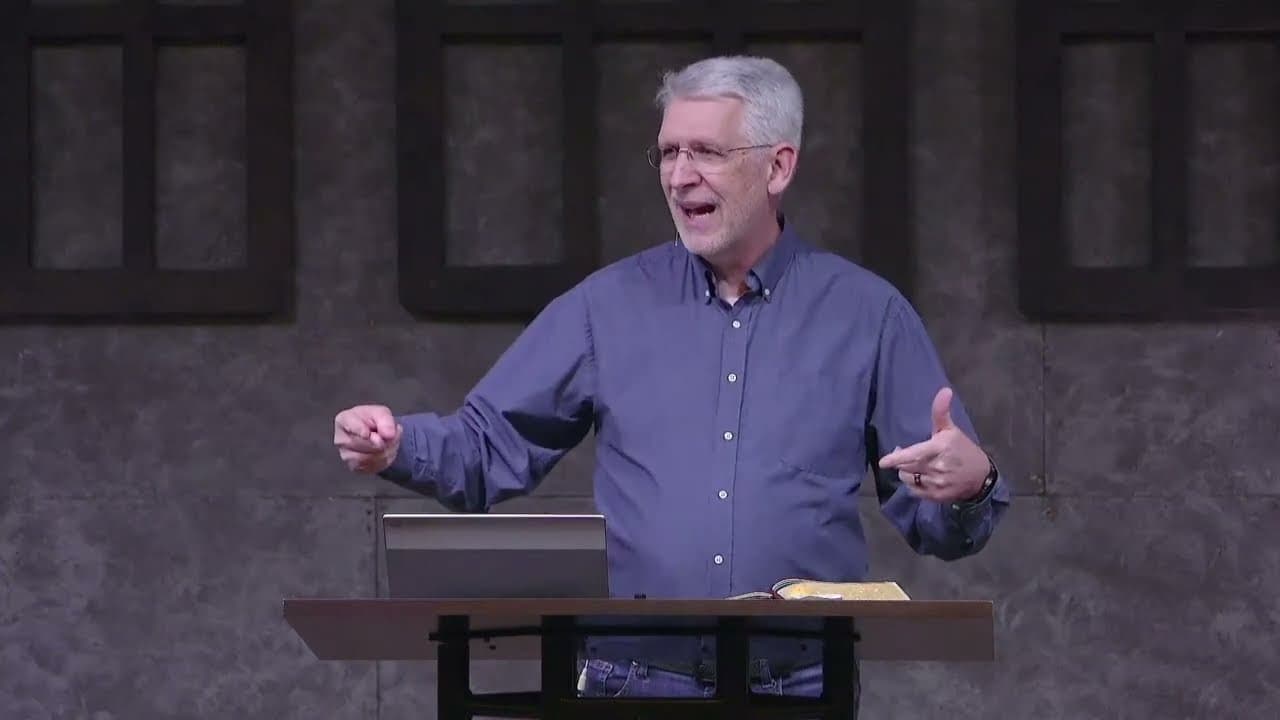
Exploration of Peter's life and teachings in 1 Peter 1:1-2.
Transcript
we are starting a brand new book study today which is always kind of exciting i always kind of like getting into a brand new book we're in first peter today so open your bibles please to first peter as we are going to make our way through this book i have to tell you i've been looking forward to teaching through the letters of peter... Read More
Key Insights
- Peter is a relatable biblical figure due to his mistakes and moments of inspiration, showcasing God's love and choice regardless of human flaws.
- Peter's calling from fisherman to apostle illustrates God's ability to choose and use anyone for His purposes, regardless of their background or education.
- The letter of 1 Peter addresses believers facing persecution, emphasizing the need to trust and obey God during difficult times.
- Peter's audience in 1 Peter are described as 'elect exiles,' highlighting their chosen status by God despite being dispersed and facing hardships.
- The concept of being 'elect' or 'chosen' is based on God's foreknowledge, showing a divine perspective on salvation and predestination.
- The duality of God's choice and human free will in salvation is a complex theological concept, often debated but both are biblically supported.
- Sanctification is both positional, being set apart as God's children, and progressive, involving ongoing spiritual growth and transformation.
- Obedience in the New Covenant is personal and guided by the Holy Spirit, differing from the Old Testament law, with ongoing cleansing through Jesus' sacrifice.
Install to Summarize YouTube Videos and Get Transcripts
Explore YouTube Video Summarizer or Get YouTube Transcript Extractor
Questions & Answers
Q: What makes Peter a relatable biblical figure?
Peter is relatable because of his well-documented mistakes and moments of inspiration in the Gospels. His life shows that God chooses and loves individuals not because they have everything figured out, but because He loves them and has a purpose for them, despite their flaws.
Q: What was Peter's original occupation and how did it change?
Peter was originally a fisherman, a trade likely passed down from his father, with little formal education. Jesus called him to be an apostle, transforming him into a foundational figure in the early church, demonstrating God's power to use anyone for His purposes.
Q: Why was 1 Peter written and who was it addressed to?
1 Peter was written to encourage believers facing intense persecution. The recipients, described as 'elect exiles,' were dispersed across regions like Pontus and Galatia. The letter aims to guide them in trusting and obeying God during their trials.
Q: What does 'elect exiles' mean in the context of 1 Peter?
In 1 Peter, 'elect exiles' refers to believers chosen by God ('elect') despite being physically displaced or facing hardships ('exiles'). This highlights their spiritual status as God's chosen people, even amidst earthly challenges.
Q: How does 1 Peter explain the concept of election?
1 Peter explains election as being based on God's foreknowledge. This means that God, outside of time, knew beforehand who would come to faith in Him. Thus, believers are considered 'elect' or 'chosen' due to this divine foresight.
Q: What is the relationship between God's sovereignty and human free will in salvation?
The relationship between God's sovereignty and human free will in salvation is complex and often debated. The Bible supports both concepts: God chooses individuals based on His foreknowledge, and humans must also choose to believe and receive salvation.
Q: What is the role of the Holy Spirit in sanctification?
The Holy Spirit plays a crucial role in sanctification, which involves being set apart as God's children and undergoing ongoing spiritual growth. This process is progressive, with the Spirit guiding, convicting, and transforming believers into the image of Christ.
Q: How does obedience under the New Covenant differ from the Old Testament law?
Under the New Covenant, obedience is guided by the Holy Spirit rather than adherence to written laws. It is personal and relational, with the Spirit leading believers in daily life. This differs from the Old Testament's external laws, emphasizing a heart-led obedience.
Summary & Key Takeaways
-
Peter's life is a testament to God's ability to use imperfect people, as seen in his journey from a fisherman to a foundational apostle. His letters, particularly 1 Peter, provide guidance for believers facing trials, emphasizing trust in God.
-
1 Peter addresses believers as 'elect exiles,' chosen by God despite their dispersion and suffering. This letter offers insights into divine election based on God's foreknowledge and the importance of obedience and sanctification through the Holy Spirit.
-
The theological concepts of God's sovereignty and human free will are explored, showing how both are integral to understanding salvation. Obedience under the New Covenant is personal, guided by the Spirit, with ongoing forgiveness through Jesus' blood.
Read in Other Languages (beta)
Share This Summary 📚
Summarize YouTube Videos and Get Video Transcripts with 1-Click
Try YouTube Summary with ChatGPT & Claude or YouTube Transcript Generator
Explore More Summaries from Through the Bible with Pastor Paul 📚
Summarize YouTube Videos and Get Video Transcripts with 1-Click
Try YouTube Summary with ChatGPT & Claude or YouTube Transcript Generator