How Does Climate Change Affect the Economy?
TL;DR
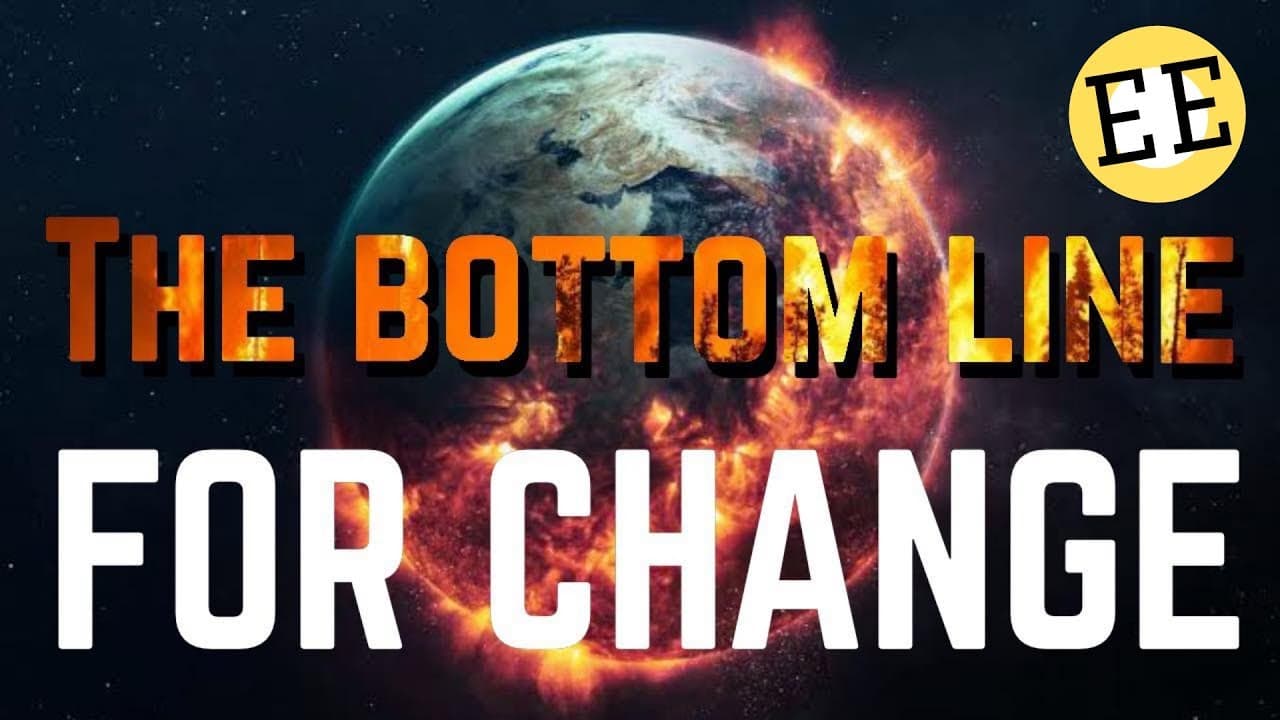
Climate change has significant economic impacts, affecting industries like agriculture and construction due to extreme weather. Wealthy corporations contribute heavily to emissions, while poorer populations face the brunt of climate consequences. Renewable energy presents a solution, but requires substantial investment. Government policies, like carbon taxes, aim to reduce emissions by making polluters bear the economic cost of their environmental impact.
Transcript
this is a windmill this is a solar panel and this is a coal-fired power plant all of these very different looking contraptions have a very similar function to produce energy for an increasingly power-hungry world for decades this one a fossil fuel-fired power plant was the go-to source of energy for a rapidly industrializing planet and this mixed w... Read More
Key Insights
- Climate change is causing rising global temperatures and erratic weather patterns, which impact various industries economically.
- The tragedy of the commons describes how wealthy corporations contribute disproportionately to emissions while poorer populations suffer the consequences.
- Coal-fired power plants emit significant amounts of CO2, contributing to climate change, whereas renewable energy sources have lower emissions.
- The economic impact of climate change includes reduced productivity in sectors like agriculture and construction due to extreme weather conditions.
- Renewable energy has high initial costs but lower variable costs, making it economically viable over time compared to fossil fuels.
- Government policies, such as carbon taxes, incentivize businesses to reduce emissions by assigning a cost to pollution.
- The International Labour Organization estimates significant economic losses in the construction sector due to climate change-related productivity declines.
- Technological advancements and government incentives are making renewable energy investments more attractive to mitigate climate change impacts.
Install to Summarize YouTube Videos and Get Transcripts
Explore YouTube Video Summarizer or Get YouTube Transcript Extractor
Questions & Answers
Q: How does climate change impact the economy?
Climate change impacts the economy by causing disruptions in industries such as agriculture and construction due to extreme weather conditions. These changes lead to increased costs and reduced productivity. Additionally, the economic burden is often disproportionately borne by poorer populations, while wealthier corporations contribute significantly to emissions without facing immediate consequences.
Q: What is the tragedy of the commons in relation to climate change?
The tragedy of the commons in relation to climate change refers to the situation where wealthy corporations contribute heavily to emissions, benefiting from economic activities while poorer populations suffer the environmental and economic consequences. This imbalance occurs because common resources, like clean air, are overused and not adequately protected, leading to negative impacts on those who rely on them.
Q: Why are renewable energy sources considered economically viable?
Renewable energy sources, such as wind and solar, are considered economically viable because they have lower variable costs compared to fossil fuels. While the initial investment is high, the ongoing costs are minimal since the energy source, like sunlight or wind, is free. Over time, this makes renewable energy more cost-effective, especially with technological advancements and government incentives supporting their adoption.
Q: How do carbon taxes help reduce emissions?
Carbon taxes help reduce emissions by assigning a cost to the pollution caused by emitting greenhouse gases. By making polluters financially accountable for their environmental impact, carbon taxes incentivize businesses to invest in cleaner technologies and reduce their carbon footprint. This economic mechanism encourages companies to innovate and adopt more sustainable practices to minimize their tax burden.
Q: What are the economic consequences of climate change on agriculture?
The economic consequences of climate change on agriculture include increased difficulty in growing certain crops and raising livestock due to extreme weather conditions like droughts and heatwaves. These challenges lead to higher costs and reduced yields, increasing reliance on industrialized farming techniques. This not only affects food supply and prices but also exacerbates the issues contributing to climate change.
Q: Why do poorer populations suffer more from climate change?
Poorer populations suffer more from climate change because they often have fewer resources to adapt to and mitigate its impacts. They are more vulnerable to extreme weather events and the economic disruptions they cause, such as loss of livelihoods and increased food prices. Additionally, they contribute less to emissions but bear a disproportionate share of the consequences, highlighting the inequity in climate change's effects.
Q: What role do governments play in addressing climate change?
Governments play a critical role in addressing climate change by implementing policies that incentivize reductions in greenhouse gas emissions. This includes measures like carbon taxes, subsidies for renewable energy, and regulations on emissions. By creating economic incentives and supporting technological innovation, governments can drive the transition to a more sustainable economy and mitigate the adverse effects of climate change.
Q: How does climate change affect the construction industry?
Climate change affects the construction industry by causing extreme weather conditions that hinder productivity. High temperatures can make outdoor work unsafe and slow down or halt construction projects. These disruptions lead to economic losses, as seen in the International Labour Organization's report estimating a potential $2.4 trillion annual loss in output due to climate-related productivity declines in the construction sector.
Summary & Key Takeaways
-
Climate change is causing economic disruptions in industries like agriculture and construction due to extreme weather conditions. Wealthy corporations are major contributors to emissions, while poorer populations bear the consequences. Renewable energy offers a solution but requires substantial upfront investment. Government policies, such as carbon taxes, aim to make polluters accountable for their environmental impact, encouraging investment in cleaner technologies.
-
The economic impact of climate change is significant, with industries like agriculture and construction facing challenges due to extreme weather. Wealthy corporations contribute heavily to emissions, while poorer populations face the consequences. Renewable energy, though costly upfront, offers a viable solution. Government policies, such as carbon taxes, aim to reduce emissions by making polluters bear the economic cost of their environmental impact.
-
Climate change affects the economy by disrupting industries like agriculture and construction due to extreme weather. Wealthy corporations are major contributors to emissions, while poorer populations suffer the consequences. Renewable energy presents a solution but requires substantial investment. Government policies, like carbon taxes, aim to reduce emissions by making polluters accountable for their environmental impact, encouraging cleaner technology investments.
Read in Other Languages (beta)
Share This Summary 📚
Summarize YouTube Videos and Get Video Transcripts with 1-Click
Try YouTube Summary with ChatGPT & Claude or YouTube Transcript Generator
Explore More Summaries from Economics Explained 📚


Summarize YouTube Videos and Get Video Transcripts with 1-Click
Try YouTube Summary with ChatGPT & Claude or YouTube Transcript Generator