How to Adapt to a New Food Culture When Moving Countries
TL;DR
To adapt to a new food culture, engage with local ingredients and recipes while being open to changing your cooking style. Embrace trial and error as a learning process, like Natalia, who substituted Dutch ingredients for Ukrainian staples, and Rachel, who improved her seasoning skills in the Caribbean. Understanding local customs, such as the British cream tea debate, can also enrich your cultural experience.
Transcript
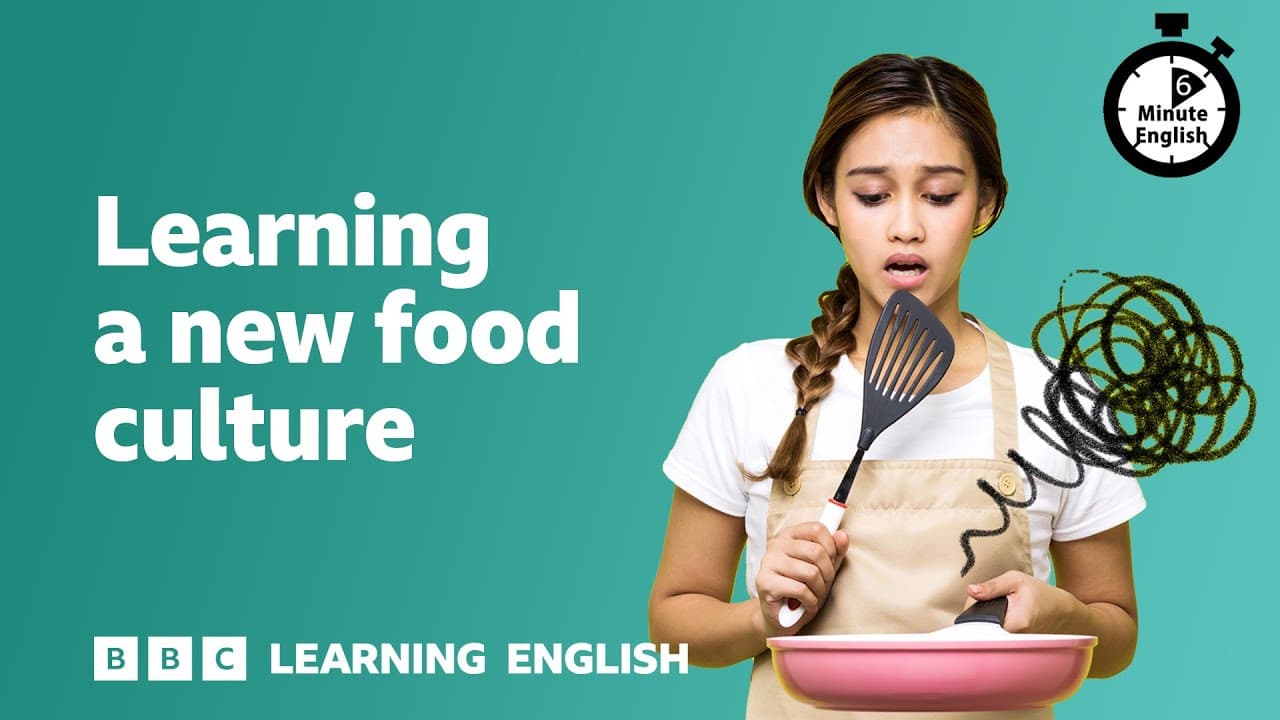
Hello, this is 6 Minute English, from BBC Learning English. I'm Neil. And I'm Beth. Every country has its own favourite foods. So, when people leave home and move to a different country, getting used to the new food there can be a surprise. Food can have strange sounding names. If you know what a toad is, it's an animal, very similar to a frog, you... Read More
Key Insights
- Moving to a new country often involves adapting to unfamiliar food cultures, which can be surprising and challenging.
- Toad-in-the-hole is a traditional English dish made with sausages, not actual toads, illustrating the unique names in English cuisine.
- Natalia Tkachenko, a Ukrainian refugee in the Netherlands, adapted her cooking by using local Dutch ingredients to create new dishes.
- Rachel Winter-Roach faced challenges in adjusting to the complex seasoning practices in Caribbean cuisine, requiring trial and error to master.
- Understanding local food customs and staples is crucial for adapting to a new culture, as seen in the experiences of Natalia and Rachel.
- The British cream tea debate highlights cultural differences in food preferences, focusing on whether cream or jam should be applied first.
- Adapting to a new food culture involves stepping out of one's comfort zone and embracing unfamiliar ingredients and cooking methods.
- Trial and error is a key method for learning new culinary skills, allowing individuals to refine their techniques through practice.
Install to Summarize YouTube Videos and Get Transcripts
Explore YouTube Video Summarizer or Get YouTube Transcript Extractor
Questions & Answers
Q: What is toad-in-the-hole, and why is it surprising?
Toad-in-the-hole is a traditional English dish made with sausages baked in Yorkshire pudding batter. The name can be surprising to those unfamiliar with it, as it suggests the use of toads, which are similar to frogs. However, the dish does not contain actual toads, highlighting the unique and sometimes confusing names in English cuisine.
Q: How did Natalia Tkachenko adapt to the food culture in the Netherlands?
Natalia Tkachenko, a Ukrainian refugee, adapted to the Dutch food culture by using local ingredients to replace the staples she was accustomed to in Ukraine. She started working with Dutch foods, finding replacements and creating new dishes that her customers loved. This adaptation required stepping out of her comfort zone and embracing unfamiliar culinary practices.
Q: What challenges did Rachel Winter-Roach face in Tobago?
Rachel Winter-Roach faced challenges in Tobago due to the complex seasoning practices in Caribbean cuisine. Seasoning is integral to food preparation there, with multiple layers and personal tweaks. Rachel had to learn through trial and error, experimenting with different methods and adjusting her techniques to master the local seasoning customs, which initially shocked her.
Q: Why is the British cream tea debate controversial?
The British cream tea debate is controversial because people disagree on whether cream or jam should be applied first to scones. This seemingly minor detail has sparked heated discussions among traditionalists, reflecting broader cultural differences in food preferences. The debate highlights how food customs can become significant cultural touchpoints within a community.
Q: What does the phrase 'to be in for a shock' mean?
The phrase 'to be in for a shock' means to be certain of experiencing a surprising or unpleasant situation. It was used in the context of Rachel Winter-Roach's experience with Caribbean seasoning practices, which were unexpectedly complex and required her to adjust her cooking methods significantly. This phrase captures the element of surprise in encountering new cultural practices.
Q: What role does trial and error play in adapting to new food cultures?
Trial and error plays a crucial role in adapting to new food cultures, as it allows individuals to experiment with different cooking methods and learn from their mistakes. This process is essential for mastering new culinary techniques and adjusting to unfamiliar ingredients, as demonstrated by Rachel's experience with Caribbean seasoning and Natalia's adaptation to Dutch ingredients.
Q: How does food reflect cultural identity?
Food reflects cultural identity by embodying the traditions, preferences, and practices unique to a region or community. It serves as a medium through which cultural values are expressed and shared. The experiences of Natalia and Rachel illustrate how adapting to new food cultures involves understanding and integrating these cultural elements, highlighting the deep connection between food and cultural identity.
Q: What vocabulary terms were highlighted in the episode?
The episode highlighted several vocabulary terms, including 'comfort zone,' which refers to a situation where one feels secure; 'adapt,' meaning to change to fit new circumstances; 'staple,' a basic and important food type; 'to be in for a shock,' indicating a surprising experience; 'tweak,' a small adjustment; and 'trial and error,' a method of solving problems through experimentation.
Summary & Key Takeaways
-
In this episode of 6 Minute English, Neil and Beth discuss how moving to a new country involves adapting to different food cultures. They explore the experiences of two women, Natalia and Rachel, who adjusted to new culinary environments in the Netherlands and the Caribbean, respectively.
-
Natalia, a Ukrainian refugee, had to adapt her cooking in the Netherlands by substituting local ingredients for Ukrainian staples. Rachel, who moved from England to Tobago, faced challenges with the complex seasoning practices in Caribbean cuisine, requiring trial and error to master.
-
The episode also touches on the British cream tea debate, illustrating cultural differences in food preferences. Key vocabulary includes 'comfort zone,' 'adapt,' 'staple,' 'to be in for a shock,' 'tweak,' and 'trial and error,' highlighting the importance of these concepts in adapting to new food cultures.
Read in Other Languages (beta)
Share This Summary 📚
Summarize YouTube Videos and Get Video Transcripts with 1-Click
Try YouTube Summary with ChatGPT & Claude or YouTube Transcript Generator
Explore More Summaries from BBC Learning English 📚

Summarize YouTube Videos and Get Video Transcripts with 1-Click
Try YouTube Summary with ChatGPT & Claude or YouTube Transcript Generator