Europe energy crisis | Norway oil gas revenue | France Germany Italy anti NATO protest | Geopolitics
TL;DR
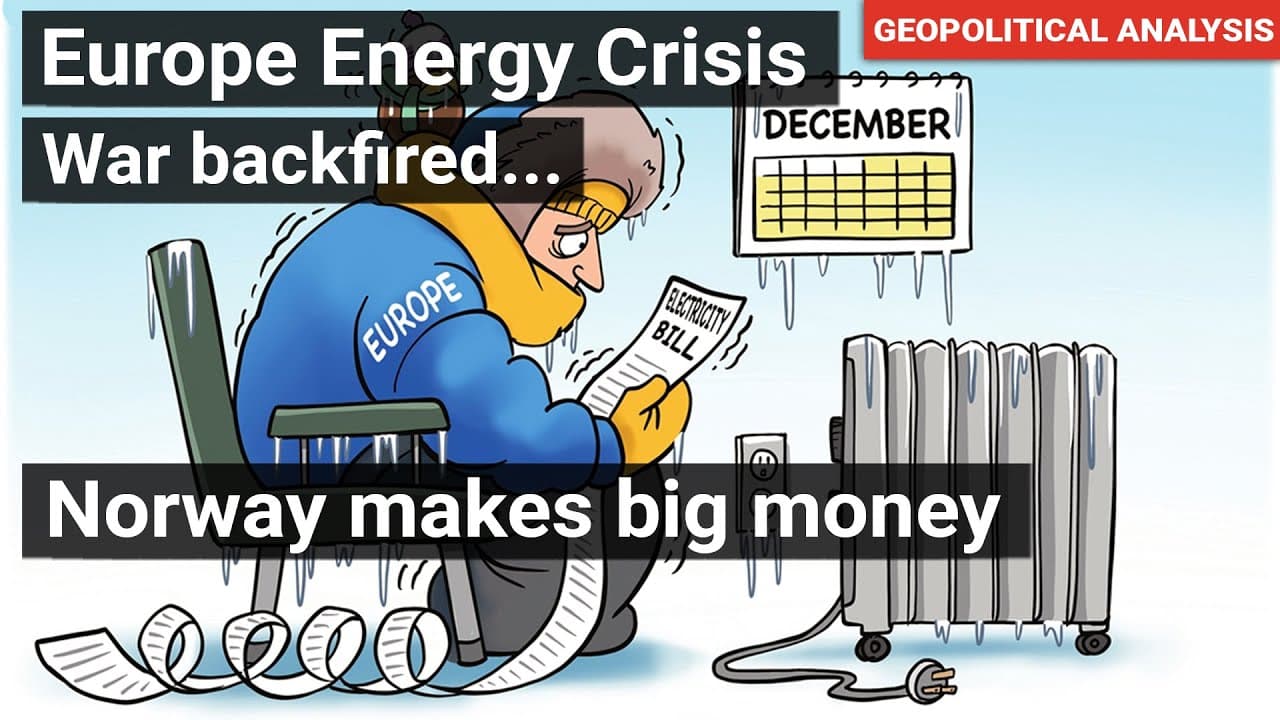
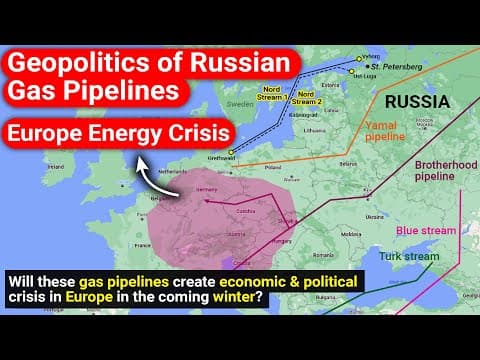
Germany and France face an energy crisis due to the disruption of the Nord Stream pipeline, leading to protests and economic ramifications.
Transcript
foreign recently you must have seen that there has been some protest in Germany and then in France people are protesting against their government these protests are regarding rising cost of living increasing Energy prices inflation unemployment Etc some media houses have also labeled these section of the society as far right wing supporters it soun... Read More
Key Insights
- 🌍 Protests: There are ongoing protests in Germany and France against rising costs of living, energy prices, inflation, and unemployment, with some media labeling protesters as far-right supporters. Western media has little coverage as these issues reveal societal fault lines.
- 👴 Age and Leadership: Angela Merkel stepped down as Germany's leader due to her age and lack of a new vision for the country, predicting the challenges that Germany would face in the future.
- 🇷🇺🇺🇦 Russia-Ukraine Conflict: The conflict between Russia and Ukraine did not start as a coincidence but was planned much earlier. It began after the US left Afghanistan in August 2021, needing another conflict zone. Ukraine became the new focus, impacting Germany's economy and energy supply.
- 💔 Germany's Loss: Germany regrets its involvement in the Russia-Ukraine conflict and the destruction of the Nord Stream gas pipeline, which drastically affected their energy supply and economy.
- 🇵🇱 Poland's Alternative: Poland secured its energy problem by connecting to a new gas pipeline from Norway. They are in a better position than Germany, which heavily relied on Russian gas.
- ❄️ Winter Ahead: Germany is facing pressure to resume the Nord Stream pipeline due to the upcoming winter and increasing energy prices. Resuming it would go against NATO's policy, causing a dilemma for the German government.
- 🇫🇷 Anti-NATO Sentiment: France, too, is facing pressure from citizens who demand France's exit from NATO due to their involvement in the Russia-Ukraine conflict, further indicating that the United States created the mess.
- 🔌 Energy Crisis and Economic Impact: The energy crisis in Europe, affecting Germany, France, and the UK, is leading to economic crises. Immigrants and immigration issues will likely become significant focal points in public debates during these crises.
Install to Summarize YouTube Videos and Get Transcripts
Explore YouTube Video Summarizer or Get YouTube Transcript Extractor
Questions & Answers
Q: How has the disruption of the Nord Stream gas pipeline affected Germany and France?
The disruption of the Nord Stream pipeline has caused an energy crisis in Germany and France, with rising energy prices, protests, and economic difficulties. Germany's dependence on Russian gas and the destruction of the pipeline have led to a lack of energy supply. France, relying on Norwegian gas, is also facing electricity shortages due to nuclear power plant maintenance.
Q: Why is Germany feeling the heat of the energy crisis more than France?
Germany relied on Russian gas, with 55% of its gas imports coming from Russia, while France only imports 17% from Russia. France is somewhat protected as it sources its energy from Norway and generates a significant portion of electricity from nuclear power plants. However, France is currently facing shortages due to maintenance issues with its nuclear plants.
Q: What geopolitical implications does the energy crisis have for Europe?
The energy crisis is causing political tensions within Europe. Germany and France, as part of NATO, are forced to follow NATO's policy regarding the Nord Stream pipeline, despite the discontent of their citizens. The situation has also highlighted Europe's dependence on imported energy and the need to diversify energy sources.
Q: How is Norway involved in Europe's energy crisis and why is it significant?
Norway has become a crucial supplier of gas and oil to Europe, taking the place of Russia in supplying energy. European countries are relying on Norwegian gas to get through the winter months. Norway, a major player in the oil and gas industry, is not part of the European Union but is linked through the European Free Trade Association agreement.
Q: What are the potential political ramifications of the energy crisis?
The energy crisis could have significant political ramifications. Governments, such as Germany's ruling coalition party, may face backlash from the public, especially those who value clean energy and oppose the sale of fossil fuels. The crisis could also reignite public debate on immigration, as economic challenges often bring such issues to the forefront. Additionally, the UK is facing its own energy crisis, causing economic difficulties for the country.
Q: How does the energy crisis impact smaller European countries?
Smaller European countries are likely to face a more severe energy crisis compared to larger countries like Germany and France. These countries may struggle to secure sufficient energy supply for the winter months, leading to economic challenges and potential political instability.
Answer: The energy crisis in Europe, particularly in Germany and France, has significant implications for the region. The disruption of the Nord Stream gas pipeline has led to rising energy prices, protests, and economic difficulties. Germany's heavy reliance on Russian gas and the destruction of the pipeline by the United States and Poland have resulted in a lack of energy supply. France, relying on Norwegian gas, is also facing shortages due to nuclear power plant maintenance. The situation highlights Europe's dependence on imported energy and the need to diversify energy sources. It also raises political tensions within NATO, as Germany and France are forced to follow the alliance's policies. The crisis could have political ramifications, with governments facing public backlash, increased debates on immigration, and economic challenges. Smaller European countries may face more severe energy crisis and potential political instability.
Summary & Key Takeaways
-
Rising energy prices, caused by the disruption of the Nord Stream gas pipeline, are leading to protests and economic difficulties in Germany and France.
-
Germany's dependence on Russian gas and the destruction of the Nord Stream pipeline by the United States and Poland have resulted in a lack of energy supply.
-
France is also impacted, relying on Norwegian gas and facing electricity shortages due to nuclear power plant maintenance.
Read in Other Languages (beta)
Share This Summary 📚
Summarize YouTube Videos and Get Video Transcripts with 1-Click
Try YouTube Summary with ChatGPT & Claude or YouTube Transcript Generator
Explore More Summaries from Amit Sengupta 📚

Summarize YouTube Videos and Get Video Transcripts with 1-Click
Try YouTube Summary with ChatGPT & Claude or YouTube Transcript Generator