How bumble bees inspired a network of tiny museums | Amanda Schochet
TL;DR
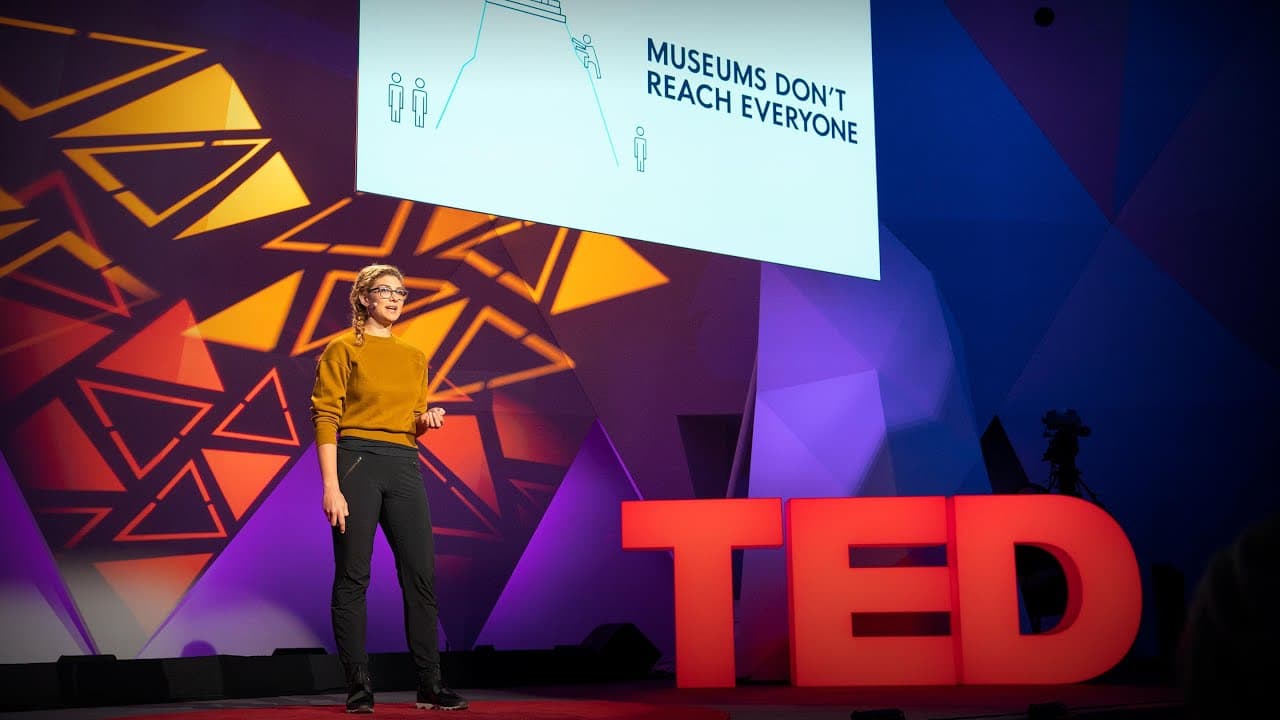
In this content, the speaker shares their journey from studying global systems at NASA to creating small habitat fragments for social learning in museums, emphasizing the power of small actions in creating a more resilient and equitable world.
Transcript
Transcriber: Joseph Geni Reviewer: Camille Martínez If you told me five years ago that today I'd be delivering a talk about our individual power to make a difference, I would have cringed. It was my job to study huge global systems. I was a researcher at NASA using satellite data to study the big picture. You can see a lot of things from space, lik... Read More
Key Insights
- 🌍 There is a sense of global crisis, with threats to ecosystems and issues of global inequality in air and water safety.
- 🐝 Small actions can have a significant impact, as seen with the creation of habitat fragments for bumblebees, which contribute to a more resilient ecosystem.
- 🏙️ Urban spaces, such as parking lots and public canyons, can be transformed into habitat fragments by planting native plants, benefitting both wildlife and preventing wildfires.
- 🏥 Public spaces like hospital waiting rooms can serve as social habitat fragments, providing resources and opportunities for education and empowerment.
- 🏛️ Museums, while being trusted sources of public information, often have structural hurdles and inequalities in accessibility, leading to the creation of a distributed network of small, modular museums called MICRO.
- 🔬 MICRO museums serve as habitat fragments for social learning, allowing people to explore and learn about science in various community locations, such as libraries, community centers, and transit hubs.
- 🌱 Each small action contributes to a stronger system, filling gaps in areas such as food access, employment, healthcare, housing, political empowerment, and education.
- 🌎 By zooming in, identifying resource gaps, finding other habitat fragments, and transforming one's own fragment, individuals and groups can make meaningful and strategic contributions to create positive change.
Install to Summarize YouTube Videos and Get Transcripts
Explore YouTube Video Summarizer or Get YouTube Transcript Extractor
Questions & Answers
Q: What was the speaker's job before delivering this talk?
The speaker was a researcher at NASA, studying huge global systems using satellite data.
Q: What did the speaker feel about the world's current state?
The speaker felt that the world was trapped in a self-amplifying system spiraling towards destruction, which made them feel small and powerless.
Q: What did the speaker discover about bumblebees?
Through their research, the speaker discovered that bumblebees could thrive in small habitat fragments created by native plants in urban areas, contributing to a more resilient ecosystem.
Q: What inspired the speaker to create a distributed network of museum habitat fragments?
The speaker's visit to a public hospital waiting room in Brooklyn, where they realized the lack of resources for education, inspired them to harness the power of museums and create accessible learning spaces.
Q: What are the benefits of creating habitat fragments for social learning?
By transforming in-between spaces into habitat fragments for social learning, opportunities for exploration and knowledge-sharing are provided, contributing to a stronger system and empowering individuals within the community.
Summary & Key Takeaways
-
The speaker, who used to work for NASA studying global systems, felt overwhelmed and powerless by the world's problems.
-
They began to shift their perspective and focus on smaller, more local solutions starting with studying bumblebees and creating habitat fragments.
-
They then applied this approach to creating tiny science museums called MICRO, which can be placed in various locations to provide educational resources and foster social learning.
Read in Other Languages (beta)
Share This Summary 📚
Summarize YouTube Videos and Get Video Transcripts with 1-Click
Try YouTube Summary with ChatGPT & Claude or YouTube Transcript Generator
Explore More Summaries from TED 📚
Summarize YouTube Videos and Get Video Transcripts with 1-Click
Try YouTube Summary with ChatGPT & Claude or YouTube Transcript Generator