The cult you don’t know you’re in | Rose Owen | TEDxAberdeen
TL;DR
Cults can manifest subtly in everyday relationships and environments, influencing our sense of identity and well-being.
Transcript
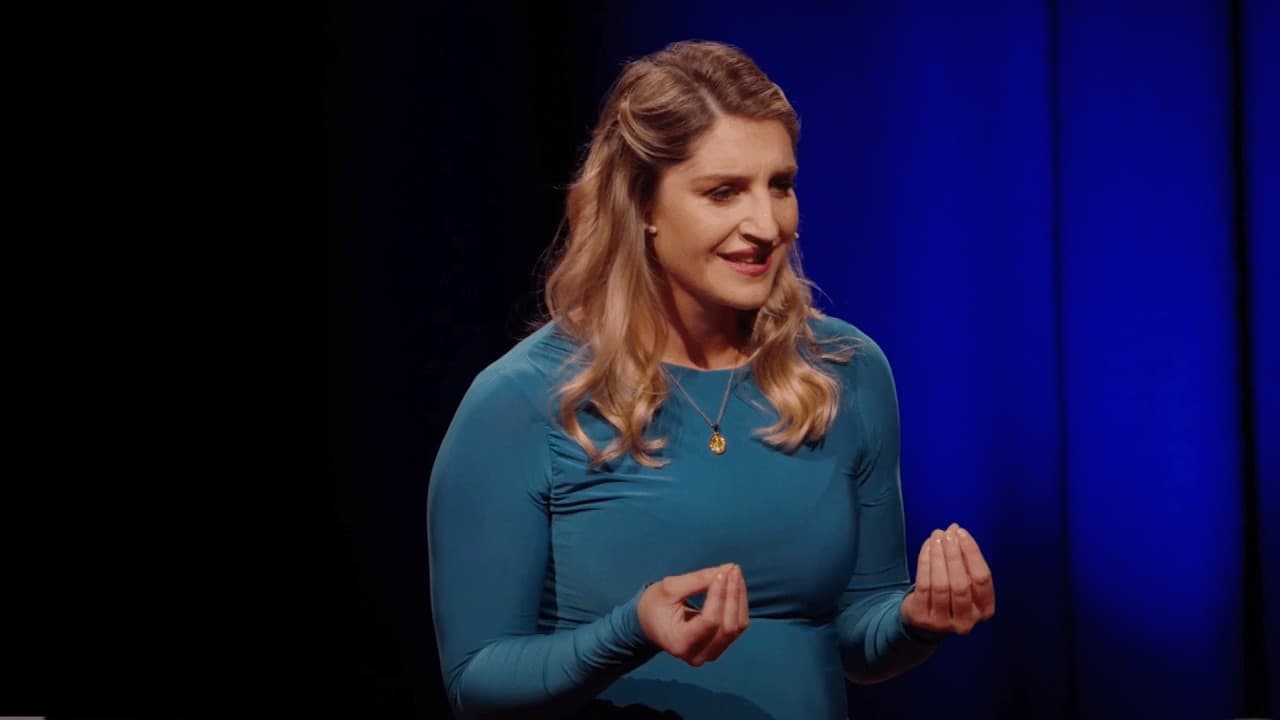
[Applause] I'm cycling along the dside way a gorgeous old railroad that winds from Aberdine to the Scottish Countryside the air smells like Pine and the low Autumn sun is dancing through the red and gold leaves but I can't get distracted I'm on a mission I'm looking for something very specific and then I see it and my heart starts to race I ease my... Read More
Key Insights
- 🫥 Cults can manifest subtly in seemingly supportive communities, blurring the lines between help and manipulation.
- 🥰 Love bombing is a primary tactic used by cults to foster dependency and control over members.
- ✊ Isolation from outside influences is a common method to reinforce a cult’s power and maintain loyalty.
- 🤩 Recognizing the patterns of manipulation, isolation, and control is key to identifying cult-like situations in personal development and corporate settings.
- 🍂 Building a resilient identity made of diverse influences helps protect individuals from falling victim to manipulative dynamics.
- 👥 Reflecting on and questioning group dynamics fosters awareness and healthy skepticism, which are essential in maintaining personal autonomy.
- 👥 Supportive relationships outside the group are critical to counter isolation and provide perspective.
Install to Summarize YouTube Videos and Get Transcripts
Explore YouTube Video Summarizer or Get YouTube Transcript Extractor
Questions & Answers
Q: What is love bombing, and how did it manifest in your experience?
Love bombing is a manipulative tactic often used in cults and abusive relationships, characterized by excessive praise, affection, and attention to manipulate someone emotionally. In my experience, during group workshops and retreats, participants shared deeply personal fears and received overwhelming support, which initially felt affirming but eventually became a tool for control, binding individuals to the group.
Q: How did your perception of cults shift over time?
Initially, I believed cults were overt and extremist groups, but my experience taught me that subtle forms of cult-like behavior can infiltrate everyday life. I learned that corporate cultures, close-knit communities, and even social media can exhibit traits such as emotional manipulation and isolation, which can form unhealthy dynamics that are just as damaging.
Q: Why is it important to have a diverse identity instead of a singular one?
A diverse identity, made up of multiple influences and traits, fosters resilience and flexibility. It allows individuals to bounce back from challenges rather than being fragile and vulnerable to breakdowns. If one aspect of our identity faces pressure or conflict, the other components provide a strong foundation, preventing a total sense of loss or identity crisis.
Q: How did your family respond when you first discussed your involvement in the cult?
When I first described my experiences to my family, their confusion and concern became apparent. My sister, a clinical psychologist, gently suggested that I was in a cult, which felt like a personal attack to me initially. However, her words planted the seed of doubt that eventually helped me question my situation and begin the process of disentanglement.
Q: What strategies can people use to avoid falling into cult-like situations?
It’s essential to maintain critical thinking and question group dynamics regularly. Keeping connections with diverse viewpoints, seeking external support, and being open to feedback can help prevent isolation and help recognize potentially manipulative behaviors. Staying aware of one's emotional needs and boundaries is crucial in fostering a healthy, balanced identity.
Q: How does social media contribute to cult-like patterns?
Social media can create environments of love bombing through likes and comments that offer temporary validation, while simultaneously fostering isolation by encouraging connections with people online rather than face-to-face relationships. Additionally, the platforms often control what content users see based on their interactions, reinforcing biased or extremist viewpoints and further isolating individuals.
Q: What specific changes did you make to your identity after leaving the cult?
After leaving the cult, I focused on reconstructing my identity with various influences rather than relying on a single source. I embraced my passions—such as sports and art—along with my roles in family and community. This multifaceted approach helped ensure that my sense of self was stable and flexible, reinforcing my resilience against future manipulative situations.
Q: Can you share what the "rubber band" analogy represents in terms of identity?
The "rubber band" analogy illustrates the concept of resilience in identity. Initially thought to represent a strong sense of self under pressure, I realized that one band could quickly become rigid and snap over time. In contrast, a diverse set of bands symbolizes a robust and flexible identity that allows for adaptation and recovery in the face of challenges, fostering a healthier self-concept.
Summary & Key Takeaways
-
The author reflects on a personal journey involving manipulation and isolation within a group that appeared supportive but became cult-like, revealing the insidious nature of such environments.
-
The signs of cult-like dynamics include love bombing, isolation from outside perspectives, and psychological control, often disguised as support or community.
-
The author emphasizes the importance of building a resilient identity made up of diverse influences to avoid the traps of abuse and control, leading to healthier relationships.
Read in Other Languages (beta)
Share This Summary 📚
Summarize YouTube Videos and Get Video Transcripts with 1-Click
Try YouTube Summary with ChatGPT & Claude or YouTube Transcript Generator
Explore More Summaries from TEDx Talks 📚
Summarize YouTube Videos and Get Video Transcripts with 1-Click
Try YouTube Summary with ChatGPT & Claude or YouTube Transcript Generator