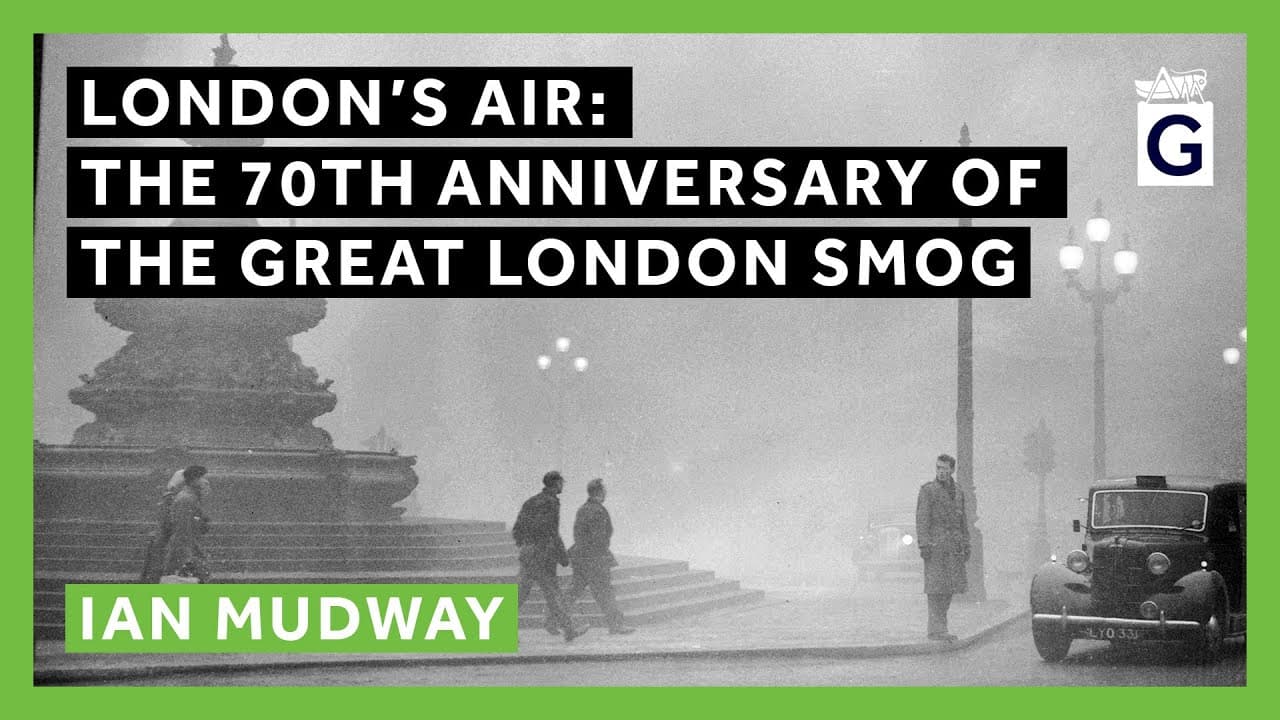
London’s Air: The 70th Anniversary of the Great London Smog
TL;DR
The London Smog of 1952, which resulted in thousands of deaths, serves as a stark reminder of the devastating impact of air pollution. Today, air pollution continues to pose a significant threat to public health, with links to various diseases and conditions.
Transcript
- First thing I have to say is, what a difference 70 years makes. In front of me I have my phone, and on my phone I have the air pollution forecast for London today and tomorrow, it says, low, okay? On Friday, the 5th of December, that wasn't the case, it was bitingly cold. There was a stable air mass of damp air hanging over London with no wind, a... Read More
Key Insights
- 💉 The London Smog of 1952 remains a significant event in the history of air pollution, highlighting the devastating health effects and the need for action.
- 🛫 Air pollution has long been a concern in urban areas, with historic episodes of pollution documented in art and literature.
- 👱 The Clean Air Act of 1956 marked a major milestone in air pollution regulation, leading to significant improvements in air quality.
- 👱 Current concerns about air pollution include traffic emissions, wood burning, and diesel vehicles.
- 😘 Studies have shown the wide-ranging health effects of air pollution, including respiratory and cardiovascular diseases, cognitive decline, and even low birth weight.
- 👱 Effective measures to reduce air pollution require a combination of regulation, policies, and public awareness.
Install to Summarize YouTube Videos and Get Transcripts
Explore YouTube Video Summarizer or Get YouTube Transcript Extractor
Questions & Answers
Q: What were the major causes of the London Smog in 1952, and what were the health consequences?
The London Smog was caused by a combination of stable weather conditions and high levels of air pollution from a variety of sources, including coal burning from households, factories, and power stations. The smog resulted in thousands of deaths and increased illnesses related to respiratory and cardiovascular diseases.
Q: How has air pollution evolved since the London Smog?
While air pollution levels have decreased since the 1950s due to regulation and policies, there are still significant health risks associated with air pollution. Current concerns include traffic-related pollution, wood burning in homes, and emissions from diesel vehicles. Studies have shown links between air pollution and a wide range of health issues, including respiratory diseases, cardiovascular diseases, and even cognitive decline.
Q: Are there effective measures in place to mitigate the harmful effects of air pollution?
Regulation and policies have proven effective in reducing air pollution levels and improving public health. Initiatives such as the Clean Air Act in the UK and similar efforts globally have led to significant reductions in air pollution. However, there is still work to be done, particularly in addressing sources of pollution such as wood burning and diesel emissions.
Q: Can individuals protect themselves from the health risks of air pollution?
While individuals can take steps to reduce their exposure to air pollution, such as avoiding high-traffic areas and using air purifiers in their homes, the responsibility lies with policy-makers and governments to implement effective measures. It is crucial to prioritize clean air as a human right and work towards creating healthier environments for all.
Summary & Key Takeaways
-
The London Smog of 1952 caused thousands of deaths and marked a turning point in recognizing the health risks of air pollution. It was an accidental disaster that highlighted the need for action.
-
Air pollution has been a longstanding issue in urban areas, with historic pollution captured in art and literature. However, the health impacts were often not fully appreciated until the London Smog.
-
Significant events in Belgium and the United States prior to the London Smog should have served as warnings about the dangers of air pollution, but they were not widely recognized at the time.
-
The London Smog led to the establishment of the Clean Air Act in 1956, the first legislation specifically targeting air pollution. Regulation and policies have been effective in reducing air pollution levels.
Read in Other Languages (beta)
Share This Summary 📚
Summarize YouTube Videos and Get Video Transcripts with 1-Click
Try YouTube Summary with ChatGPT & Claude or YouTube Transcript Generator
Explore More Summaries from Gresham College 📚

Summarize YouTube Videos and Get Video Transcripts with 1-Click
Try YouTube Summary with ChatGPT & Claude or YouTube Transcript Generator