Davos 2017 - The Hospital of the Future
TL;DR
Hospitals are undergoing a transformation, with patients becoming more involved in their own healthcare and hospitals adapting to new technologies and integrated care models.
Transcript
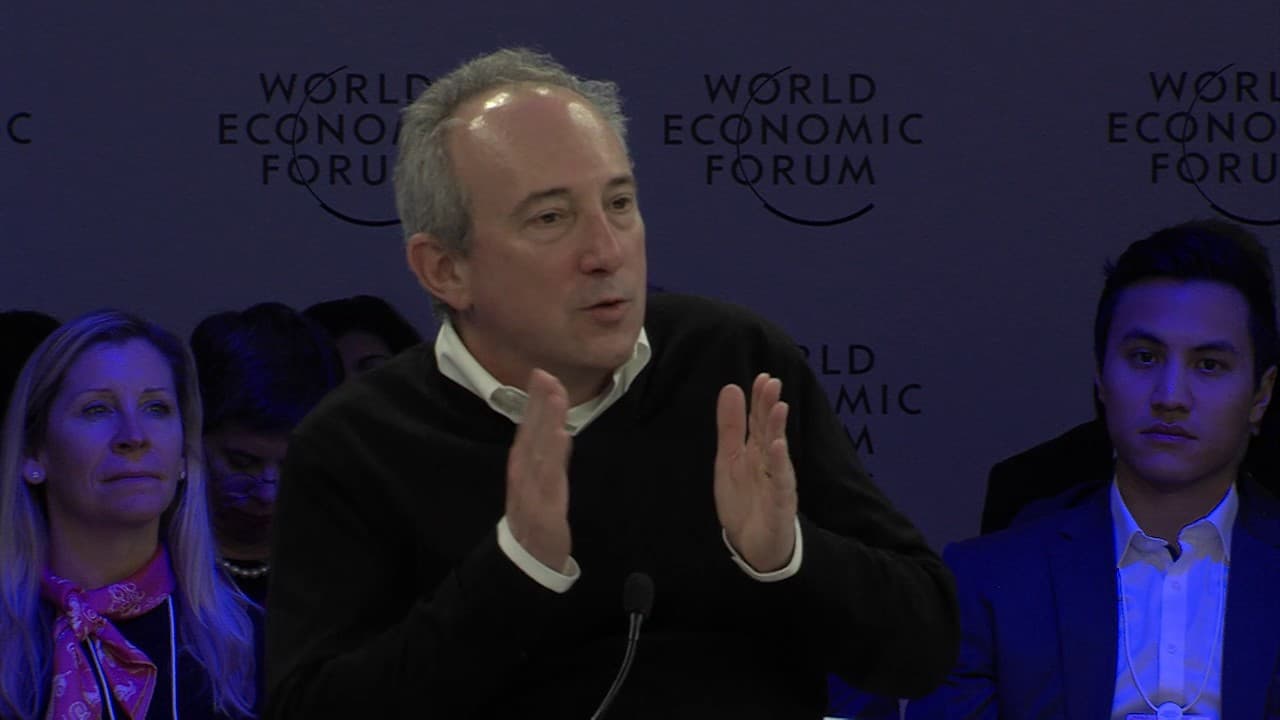
hi there I Am David agus um I'm a professor of medicine and Engineering at the University of Southern California and together with the Forum we welcome you and congratulate you for uh surviving till 2 o'clock on a Friday um and we hope to keep your energy up with this session and I think when you hear the content and the depth of the speakers aroun... Read More
Key Insights
- 😨 Hospitals are adapting to the changing healthcare landscape by embracing new technologies and integrated care models.
- 🪛 Data-driven healthcare has the potential to improve patient outcomes and drive cost savings.
- 😨 The shift towards patient-centered care and remote healthcare services through telemedicine is increasing access to care and reducing healthcare disparities.
- 😨 Standardization of electronic health records and data sharing are crucial for interoperability and better patient care outcomes.
Install to Summarize YouTube Videos and Get Transcripts
Explore YouTube Video Summarizer or Get YouTube Transcript Extractor
Questions & Answers
Q: How will hospitals be different in 10 years?
Hospitals will be more technologically advanced, with a focus on telemedicine, personalized medicine, and integrated care models. There will be a shift towards outpatient care and patient-centered experiences.
Q: Who owns the risk when using data-driven healthcare technologies?
The responsibility lies with the healthcare providers and organizations utilizing the technologies. They assume the risk and make decisions based on the data insights to ensure quality care and patient safety.
Q: How can we address the fragmentation of healthcare data and ensure interoperability?
Standardization of electronic health records, data encryption for privacy, and creating universal health records can help in the sharing and integration of data across different healthcare systems and providers.
Q: How can healthcare professionals be better prepared for the future of medicine?
Medical education needs to evolve to incorporate training in technology and artificial intelligence. Mentors and teachers with expertise in these areas can guide healthcare professionals on how to utilize new tools effectively.
Summary & Key Takeaways
-
Outpatient care is becoming more patient-centric, with individuals taking charge of their own health data through wearable devices and self-monitoring. The focus is shifting from data collection to meaningful patient-doctor interactions.
-
Hospitals are slow to change but are critical for acute care situations. However, surgical procedures and hospital stays are being reimagined, with the goal of creating a more patient-centered experience.
-
Telemedicine and digital health platforms are enabling remote healthcare services, allowing patients to receive care from anywhere in the world. This brings the hospital experience to everyone, breaking barriers and increasing access to quality care.
Read in Other Languages (beta)
Share This Summary 📚
Summarize YouTube Videos and Get Video Transcripts with 1-Click
Try YouTube Summary with ChatGPT & Claude or YouTube Transcript Generator
Explore More Summaries from World Economic Forum 📚
Summarize YouTube Videos and Get Video Transcripts with 1-Click
Try YouTube Summary with ChatGPT & Claude or YouTube Transcript Generator