How to Succeed in the Fitness Industry
TL;DR
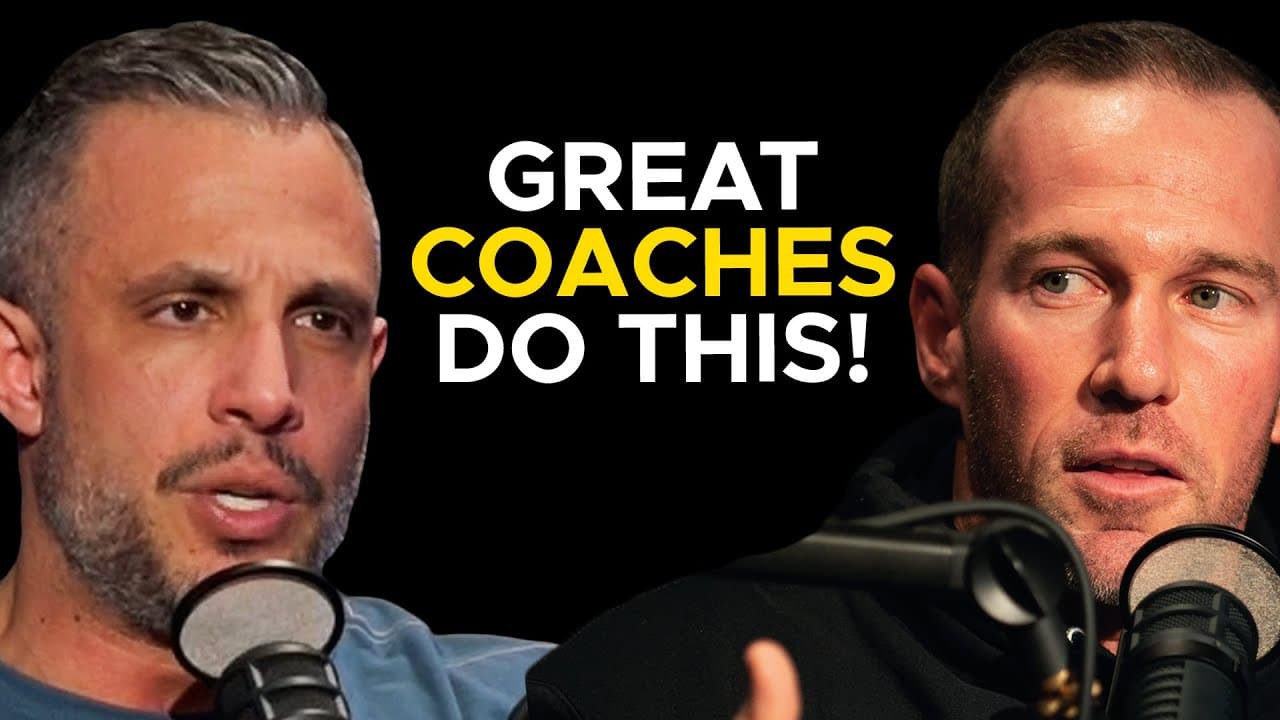
Success in the fitness industry is more about coaching behaviors than just providing information. Despite the abundance of resources, human behavior remains a major challenge. Coaches must focus on the journey, helping clients align their behaviors with their goals, understanding that happiness often precedes achieving objectives.
Transcript
I think with uh nutrition if anything once we once AI can get real-time data which already somewhat exists on blood sugar uh catecholami production anxiety so can I also kind of you know monitor your your psyche and your psychological reactions to foods and hunger and Cravings then it can anticipate and predict and give you the kind of coaching tha... Read More
Key Insights
- AI can provide real-time data on physiological responses but human behavior remains a key challenge.
- The fitness industry is more about coaching behaviors than just providing information.
- Clinical data often doesn't hold up in real-world settings due to uncontrolled variables.
- Success in fitness is about the journey, not just the immediate outcomes.
- Many people set subjective goals like 'looking better' without understanding what it truly means.
- Coaches help clients avoid pitfalls and align behaviors with goals.
- Happiness often precedes achieving fitness goals, rather than resulting from them.
- Effective coaching is about helping clients enjoy the journey, not just reaching the destination.
Install to Summarize YouTube Videos and Get Transcripts
Explore YouTube Video Summarizer or Get YouTube Transcript Extractor
Questions & Answers
Q: How does AI impact fitness coaching?
AI can provide real-time data on physiological responses like blood sugar and anxiety levels, offering insights into individual needs. However, human behavior remains unpredictable, and coaching must focus on guiding behaviors to align with fitness goals. AI enhances coaching but doesn't replace the human element.
Q: Why is the journey more important than immediate outcomes in fitness?
The journey in fitness is crucial because it focuses on continuous improvement and long-term success rather than just reaching a goal. Clients often set subjective goals without understanding their true meaning. Coaches help clients enjoy the process, recognizing that happiness often precedes achieving fitness objectives.
Q: What role do coaches play in avoiding pitfalls?
Coaches help clients avoid pitfalls by aligning behaviors with goals and guiding them through the subjective nature of fitness objectives. They provide support and strategies to navigate challenges, ensuring clients focus on the journey and understand that success is about continuous improvement, not just reaching a destination.
Q: How does happiness relate to achieving fitness goals?
Happiness often precedes achieving fitness goals rather than resulting from them. People set subjective goals like 'looking better' without understanding what it truly means. Effective coaching helps clients recognize that a positive mindset and enjoying the journey are key to reaching their fitness objectives.
Q: What challenges do coaches face with human behavior in fitness?
Coaches face challenges with human behavior as it remains unpredictable despite abundant information. Clinical data often doesn't hold up in real-world settings due to uncontrolled variables. Coaches must focus on guiding behaviors to align with fitness goals, emphasizing the journey and continuous improvement.
Q: How do coaches help clients align behaviors with fitness goals?
Coaches help clients align behaviors with fitness goals by providing strategies and support to navigate challenges. They focus on the journey, helping clients understand the importance of continuous improvement and a positive mindset. Effective coaching emphasizes the process, ensuring clients enjoy the journey and achieve long-term success.
Q: Why is effective coaching more about behaviors than information?
Effective coaching is more about behaviors than information because success in fitness relies on aligning actions with goals. Despite abundant resources, human behavior remains a challenge. Coaches focus on guiding behaviors, helping clients enjoy the journey and understand that happiness often precedes achieving fitness objectives.
Q: What is the significance of subjective goals in fitness?
Subjective goals in fitness, like 'looking better,' often lack clear definition. Coaches help clients understand the true meaning behind these goals, emphasizing the journey and continuous improvement. Effective coaching ensures clients focus on aligning behaviors with desired outcomes, recognizing that success is about the process, not just reaching a destination.
Summary & Key Takeaways
-
Coaching in the fitness industry is largely about guiding behaviors to align with goals. Despite abundant information, human behavior is a major challenge. Coaches focus on the journey, helping clients understand that happiness often precedes achieving objectives.
-
AI can enhance fitness coaching by providing real-time physiological data, but human behavior remains unpredictable. Coaches play a crucial role in helping clients navigate the subjective nature of fitness goals and align their behaviors with desired outcomes.
-
The fitness journey is more important than immediate outcomes. Many set subjective goals like 'looking better' without understanding what it truly means. Effective coaching helps clients enjoy the journey and recognize that success is about continuous improvement, not just reaching a destination.
Read in Other Languages (beta)
Share This Summary 📚
Summarize YouTube Videos and Get Video Transcripts with 1-Click
Try YouTube Summary with ChatGPT & Claude or YouTube Transcript Generator
Explore More Summaries from Mind Pump Show 📚





Summarize YouTube Videos and Get Video Transcripts with 1-Click
Try YouTube Summary with ChatGPT & Claude or YouTube Transcript Generator