How to Build and Rent Homes with Cameron Skinner
TL;DR
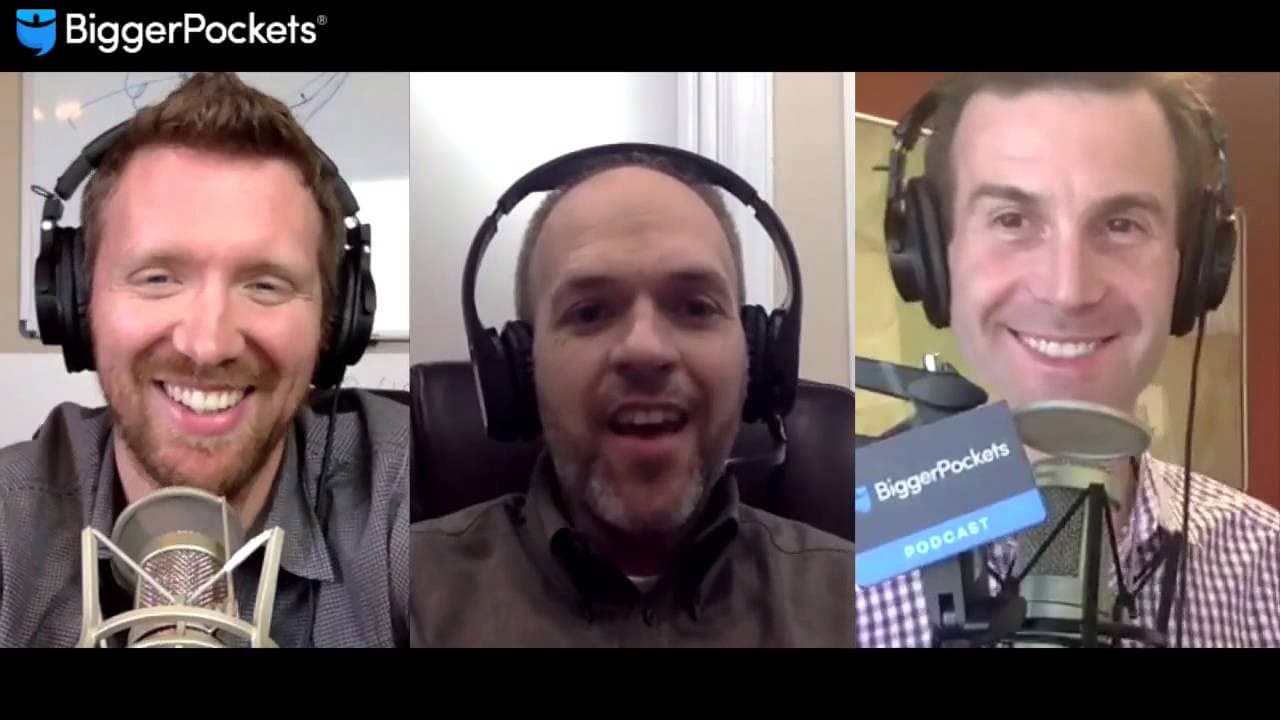
Cameron Skinner shares his journey of building over 500 homes, starting with new construction spec builds in the late 1990s. He explains how he adapted to market changes by incorporating a build-to-rent strategy, offering key insights into financing, partnerships, and the benefits of new constructions over older properties.
Transcript
this is the Bigger Pockets podcast show 168 you're listening to Bigger Pockets radio simplifying real estate for investors large and small if you're here looking to learn about real estate investing without all the hyp you're in the right place stay tuned and be sure to join the millions of others who have benefited from biggerpockets.com your home... Read More
Key Insights
- Cameron Skinner has built over 500 homes, primarily through new construction spec builds.
- The key to his success was adapting to market changes by focusing on a build-to-rent strategy.
- New construction homes offer significant tax advantages through cost segregation.
- Partnering with builders can be beneficial by combining skill sets and sharing profits.
- Construction perm loans provide financing for new builds, transitioning into permanent loans post-construction.
- Building to rent offers less maintenance and more predictable cash flow compared to older properties.
- Skinner emphasizes the importance of understanding local markets and leveraging community banks for financing.
- The 1% rule is a quick screening tool for determining potential rental property viability.
Install to Summarize YouTube Videos and Get Transcripts
Explore YouTube Video Summarizer or Get YouTube Transcript Extractor
Questions & Answers
Q: How does Cameron Skinner finance his build-to-rent projects?
Cameron Skinner uses construction perm loans, which provide financing through draws during construction and transition into permanent loans upon completion. He emphasizes working with local community banks, which are more familiar with these types of deals, and typically requires about 10% of the project's cost as skin in the game.
Q: What are the benefits of building new homes for rental purposes?
Building new homes for rental purposes offers several benefits, including reduced maintenance costs due to new construction, significant tax advantages through cost segregation, and predictable cash flow. New builds also tend to attract tenants more easily and can be sold to both investors and regular homebuyers, providing flexibility.
Q: Why did Cameron Skinner shift to a build-to-rent strategy?
Cameron Skinner shifted to a build-to-rent strategy due to market changes that made selling spec homes challenging. By holding onto properties as rentals, he could maintain cash flow and capitalize on the long-term benefits of property ownership, such as appreciation and tax advantages, while also mitigating risks associated with market downturns.
Q: What is the 1% rule in real estate investing?
The 1% rule in real estate investing is a quick screening tool that suggests a property should rent for at least 1% of its total cost (including purchase and renovation) per month. This rule helps investors quickly assess whether a property might generate sufficient rental income relative to its investment cost.
Q: How can new investors get started with building homes for rent?
New investors can start by partnering with experienced builders, leveraging their expertise while contributing skills like financing or project management. It's crucial to understand local markets, secure financing through community banks, and use tools like the 1% rule to evaluate potential projects. Building relationships with real estate agents can also help in acquiring suitable lots.
Q: What challenges do investors face when building homes to rent?
Investors face challenges such as managing construction timelines, securing financing, and dealing with contractors. They must also navigate market fluctuations that can affect rental demand and property values. Building homes requires upfront capital and a thorough understanding of local zoning laws and regulations.
Q: What role do partnerships play in Cameron Skinner's strategy?
Partnerships are central to Cameron Skinner's strategy, allowing him to leverage the expertise of builders while managing the financial and administrative aspects. By sharing profits and responsibilities, partnerships enable him to scale his operations without hiring employees, focusing on investment and growth.
Q: Why is it beneficial to work with community banks for construction loans?
Community banks are beneficial for construction loans because they are more familiar with local markets and the specific needs of construction projects. They offer flexibility and personalized service, often providing construction perm loans that transition into permanent financing, which helps streamline the building process and secure long-term financing.
Summary & Key Takeaways
-
Cameron Skinner built over 500 homes, starting with new construction spec builds and later adapting to a build-to-rent strategy. He highlights the advantages of new constructions, including reduced maintenance and tax benefits through cost segregation. Partnering with builders and using construction perm loans were key to his success.
-
Skinner discusses the challenges and benefits of building new homes to rent, emphasizing the importance of local market knowledge and strategic partnerships. He advises using the 1% rule as a quick screening tool and highlights the value of community banks for financing.
-
The podcast explores Skinner's journey through the real estate market, detailing his strategies for success. He shares insights on financing, the benefits of new constructions, and the importance of adapting strategies to changing market conditions, providing a comprehensive guide for aspiring investors.
Read in Other Languages (beta)
Share This Summary 📚
Summarize YouTube Videos and Get Video Transcripts with 1-Click
Try YouTube Summary with ChatGPT & Claude or YouTube Transcript Generator
Explore More Summaries from BiggerPockets 📚


Summarize YouTube Videos and Get Video Transcripts with 1-Click
Try YouTube Summary with ChatGPT & Claude or YouTube Transcript Generator