How to Manage Fitness Obsession for Better Health
TL;DR
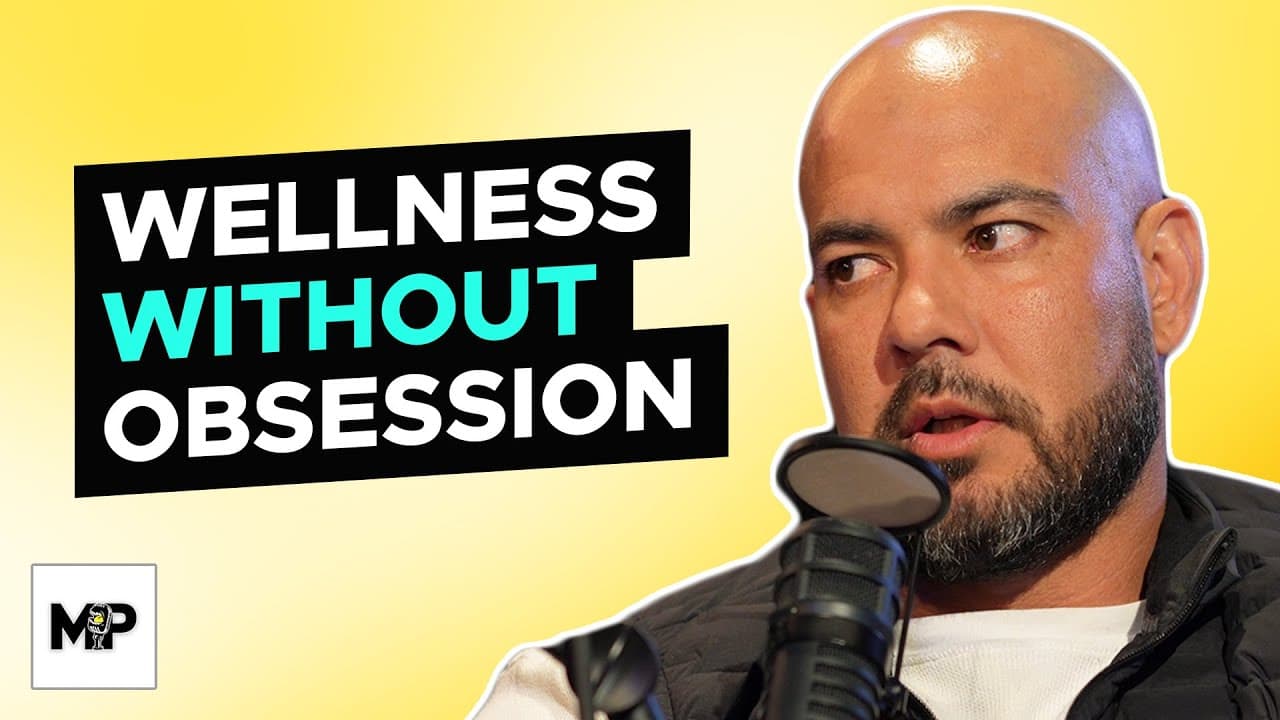
Fitness can either improve or harm your health, depending on your approach. Overtraining and obsession can lead to physical and mental health issues such as hormone imbalances and body image problems. It's crucial to balance exercise with other life activities and listen to your body's needs to maintain a healthy relationship with fitness.
Transcript
all right look check this out this is a fact Fitness can definitely be the solution or it can actually become the problem the difference is how you do it Fitness can greatly improve your health both physically and mentally or it can destroy your health it's all about how you choose to do it think I don't want to eat fries and I just want to eat thi... Read More
Key Insights
- Fitness can be beneficial or detrimental based on how it's practiced.
- Overtraining can lead to physical and mental health issues.
- Obsessive exercise can cause hormone imbalances and body image problems.
- Ignoring the body's signals for rest can lead to injury and burnout.
- Balancing exercise with other life activities is essential for well-being.
- Listening to trusted friends or family can help identify unhealthy fitness habits.
- Taking breaks from exercise can be beneficial for mental and physical health.
- Defining and revisiting your 'why' for working out can help maintain a healthy approach.
Install to Summarize YouTube Videos and Get Transcripts
Explore YouTube Video Summarizer or Get YouTube Transcript Extractor
Questions & Answers
Q: How can fitness become harmful?
Fitness becomes harmful when it turns into an obsession, leading to overtraining and ignoring the body's needs for rest and recovery. This can result in physical issues like hormone imbalances, injuries, and mental health problems such as anxiety and body image issues. Balancing exercise with other life activities and listening to your body's signals are crucial to avoid these negative outcomes.
Q: What are signs of an unhealthy relationship with fitness?
Signs of an unhealthy relationship with fitness include ignoring your body's signals of fatigue or soreness, skipping other joyful activities for workouts, and experiencing anxiety or stress over missing a workout. Additionally, if trusted friends or family express concern about your fitness habits, it might be time to reevaluate your approach to exercise.
Q: How can I balance fitness with other life activities?
Balancing fitness with other life activities involves setting realistic workout goals that align with your overall well-being, ensuring exercise doesn't interfere with family time or social events, and listening to your body to prevent overtraining. Taking breaks when needed and reflecting on your reasons for working out can also help maintain a healthy balance.
Q: Why is it important to take breaks from exercise?
Taking breaks from exercise is important because it allows your body to recover and prevents burnout. Overtraining can lead to injuries, hormone imbalances, and mental health issues. Breaks help rejuvenate your body and mind, making you more motivated and effective when you return to your fitness routine.
Q: How can I identify if my fitness habits are unhealthy?
You can identify unhealthy fitness habits by reflecting on whether exercise is causing more stress than joy, if you're skipping important life events for workouts, or if you're ignoring your body's signals for rest. Listening to feedback from trusted friends or family can also provide insight into whether your fitness habits may be harmful.
Q: What should I do if I feel anxious about missing a workout?
If you feel anxious about missing a workout, it's important to remind yourself that rest is a crucial part of fitness. Reflect on your reasons for working out and ensure they align with your overall well-being. Consider engaging in other relaxing activities and remember that taking breaks can enhance your long-term fitness journey.
Q: How can I ensure my workout goals align with my well-being?
Ensure your workout goals align with your well-being by regularly reflecting on your reasons for exercising. Set realistic goals that promote health and happiness, not just physical appearance. Balance your fitness routine with other life activities and listen to your body's needs to maintain a healthy and sustainable approach to exercise.
Q: Why is it important to listen to trusted friends or family about my fitness habits?
Listening to trusted friends or family about your fitness habits is important because they can offer an outside perspective on whether your habits are healthy or becoming obsessive. They can provide support and help you identify when it's time to reevaluate your approach to fitness, ensuring it contributes positively to your overall well-being.
Summary & Key Takeaways
-
Fitness can either enhance or harm your health, depending on your approach. Overtraining and obsession may lead to issues like hormone imbalances and body image problems. Balancing exercise with other life activities and listening to your body's needs are crucial for maintaining a healthy relationship with fitness.
-
Ignoring your body's signals, such as fatigue or soreness, can lead to injury and burnout. It's essential to take breaks and reflect on your workout goals to ensure they align with your overall well-being and life priorities.
-
Listening to trusted friends or family can help identify when fitness habits become unhealthy. Revisiting your reasons for working out can guide you in maintaining a balanced and beneficial fitness routine.
Read in Other Languages (beta)
Share This Summary 📚
Summarize YouTube Videos and Get Video Transcripts with 1-Click
Try YouTube Summary with ChatGPT & Claude or YouTube Transcript Generator
Explore More Summaries from Mind Pump Show 📚



Summarize YouTube Videos and Get Video Transcripts with 1-Click
Try YouTube Summary with ChatGPT & Claude or YouTube Transcript Generator