How to Build Faster and Fairer Communities
TL;DR
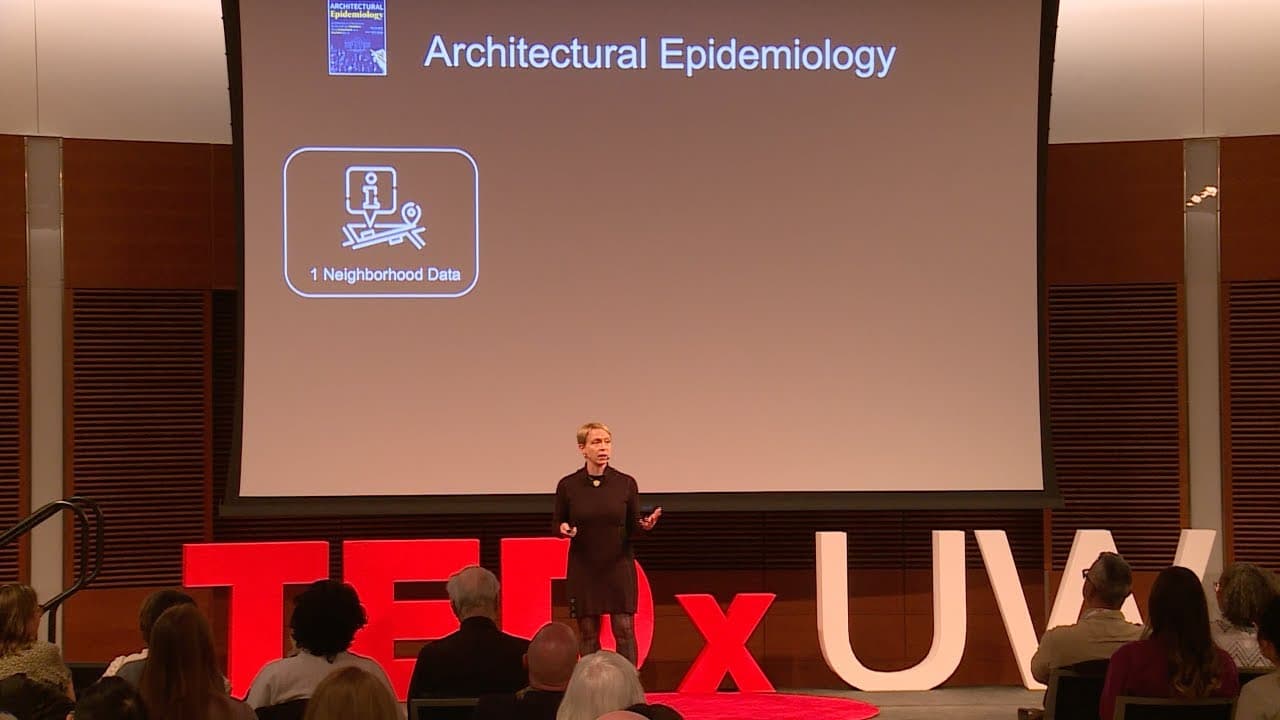
Architectural epidemiology is a method that integrates public health principles into urban planning to foster community support and expedite project approvals. By involving community members early in the design process and using data to guide decisions, projects can align with local needs, reducing opposition and delays. Successful examples include projects in New Orleans, Charleston, and Portland, where community engagement led to designs that addressed social, economic, and environmental concerns.
Transcript
Imagine your favorite street in the world. It might be where you grew up. It might be a place you visited. It might be where you went to school. So, imagine that place, walking down the street, maybe driving, riding your bike. And all of a sudden, you see this. What's your first reaction? Is it excitement? Is it skepticism? Is it concern? If we lis... Read More
Key Insights
- Architectural epidemiology integrates public health methods into urban planning, promoting community involvement early in the process.
- Community engagement is crucial for aligning development projects with local needs, reducing opposition and delays.
- Successful projects, like those in New Orleans and Charleston, address social, economic, and environmental concerns through community input.
- Public hearings often reveal community concerns about development, such as environmental impact and changes to local character.
- Data-driven design helps visualize connections between stakeholder goals, speeding up the development process.
- Community members' involvement ensures their voices are heard, leading to more acceptable and sustainable projects.
- The misconception that sustainability is a choice between the environment and economy is addressed by integrating community needs.
- Early community engagement leads to shared visions for projects, resulting in stronger public support during hearings.
Install to Summarize YouTube Videos and Get Transcripts
Explore YouTube Video Summarizer or Get YouTube Transcript Extractor
Questions & Answers
Q: How does architectural epidemiology promote faster and fairer building?
Architectural epidemiology promotes faster and fairer building by integrating public health methods into the design and development process. It involves community members early, using their input and data to guide project decisions. This approach aligns projects with local needs, reducing opposition and delays, and ensuring that developments are both buildable and acceptable to the community.
Q: What are the benefits of early community engagement in development projects?
Early community engagement in development projects allows for the integration of local needs and concerns into the design process. It helps create a shared vision, reducing opposition and delays in project approvals. This approach ensures that all voices are heard, leading to more sustainable and accepted outcomes that address social, economic, and environmental concerns.
Q: Why is data-driven design important in urban development?
Data-driven design is important in urban development because it provides evidence-based guidance for decision-making, creating natural guardrails that prevent individual interests from dominating discussions. It helps visualize connections between stakeholder goals, facilitating collaboration and speeding up the development process. This approach ensures that projects are aligned with community needs and are more likely to gain public support.
Q: What challenges do public hearings reveal about development projects?
Public hearings often reveal challenges such as community concerns about environmental impact, changes to local character, and potential increases in property taxes. These hearings highlight the need for community involvement in the planning process to address these concerns and ensure that projects align with local needs and values, reducing opposition and fostering support.
Q: How do successful projects address community concerns?
Successful projects address community concerns by involving residents early in the design process, using their input to guide decisions. This approach ensures that projects align with local needs and values, addressing social, economic, and environmental concerns. Examples include projects in New Orleans and Charleston, where community engagement led to designs that reduced flood risk and promoted social connection.
Q: What role does community input play in sustainable development?
Community input plays a crucial role in sustainable development by ensuring that projects align with local needs and values. It helps create a shared vision, reducing opposition and delays in project approvals. This collaborative approach integrates social, economic, and environmental concerns, leading to more accepted and sustainable outcomes that benefit both the community and the environment.
Q: How can development projects balance environmental and economic goals?
Development projects can balance environmental and economic goals by integrating community input and data-driven design into the planning process. This approach ensures that projects address local needs and values, creating sustainable outcomes that support both economic growth and environmental protection. It moves away from the traditional expert-led model, emphasizing collaboration and shared vision for development.
Q: What lessons can be learned from the New Orleans and Charleston projects?
The New Orleans and Charleston projects demonstrate the importance of early community engagement and data-driven design in addressing social, economic, and environmental concerns. By integrating local input into the planning process, these projects aligned with community needs, reducing opposition and delays. They highlight the value of collaboration and shared vision in creating sustainable and accepted development outcomes.
Summary & Key Takeaways
-
Architectural epidemiology is a method that integrates public health principles into urban planning to foster community support and expedite project approvals. By involving community members early in the design process and using data to guide decisions, projects can align with local needs, reducing opposition and delays.
-
Successful examples include projects in New Orleans, Charleston, and Portland, where community engagement led to designs that addressed social, economic, and environmental concerns. This approach moves away from the traditional expert-led model, instead emphasizing collaboration and shared vision.
-
Key to this process is the use of data as a design tool, creating natural guardrails and linking stakeholder goals. This helps visualize connections and speeds up the development process, ensuring that all voices are heard and contributing to sustainable and accepted outcomes.
Read in Other Languages (beta)
Share This Summary 📚
Summarize YouTube Videos and Get Video Transcripts with 1-Click
Try YouTube Summary with ChatGPT & Claude or YouTube Transcript Generator
Explore More Summaries from TEDx Talks 📚






Summarize YouTube Videos and Get Video Transcripts with 1-Click
Try YouTube Summary with ChatGPT & Claude or YouTube Transcript Generator