Why Does the Creature Demand a Companion in Frankenstein?
TL;DR
The Creature demands that Frankenstein create a female companion for him to alleviate his loneliness, which has driven him to declare war against humanity. His violent actions are fueled by anger and isolation, as he believes no one will ever love him unless he has a partner who understands his suffering.
Transcript
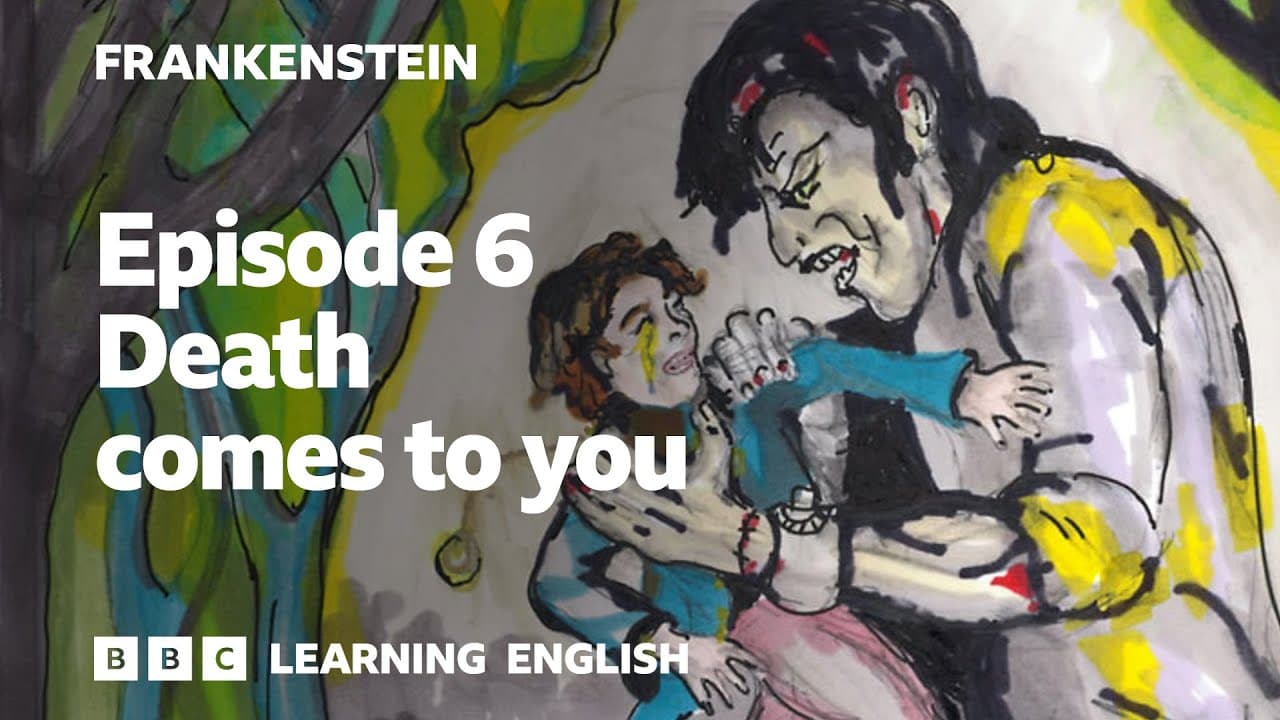
This is a podcast from BBC Learning English dot com. For more information, visit our website. Frankenstein, episode six. The Creature declares war against man. Hello, I'm the Creature. And I've been telling you and my creator, Viktor Frankenstein, about my experience meeting people. Some feared me, some hated me and finally I found a man who was ki... Read More
Key Insights
- The Creature's experiences with humans have been largely negative, leading to feelings of anger and isolation.
- Despite being mistreated, the Creature initially hoped for friendship and acceptance from humans.
- The Creature's encounter with a blind man was positive until the man's children reacted with fear and violence.
- The Creature's loneliness drives him to seek companionship, even considering taking a child as a friend.
- The Creature's anger towards humanity is intensified after an encounter with a child who reveals a connection to Frankenstein.
- The Creature admits to causing the deaths of innocent people as a way to make Frankenstein suffer.
- The Creature proposes a deal with Frankenstein: create a companion for him, and he will leave society forever.
- Frankenstein is conflicted about the Creature's request, considering the potential consequences of creating another monster.
Install to Summarize YouTube Videos and Get Transcripts
Explore YouTube Video Summarizer or Get YouTube Transcript Extractor
Questions & Answers
Q: What motivated the Creature to declare war against mankind?
The Creature's declaration of war against mankind was motivated by his repeated negative encounters with humans. Despite initially seeking friendship and acceptance, he was met with fear, hatred, and violence. These experiences, culminating in a violent confrontation with a blind man's children, fueled his anger and sense of isolation.
Q: How did the Creature react to meeting the blind man and his family?
The Creature initially found hope in his encounter with the blind man, as he was not judged by his appearance. However, this hope was shattered when the man's children arrived and reacted with fear and aggression. This reaction reinforced the Creature's belief that he would never be accepted by humans, deepening his sense of loneliness and anger.
Q: Why did the Creature consider taking a child as a friend?
The Creature considered taking a child as a friend because he believed a child might be more accepting of his appearance and offer companionship. His loneliness and desire for connection drove him to this desperate measure, hoping that a child would not yet be influenced by societal prejudices against him.
Q: What was the significance of the child's connection to Frankenstein?
The child's connection to Frankenstein was significant because it revealed a personal link between the Creature and his creator. Upon learning the child's surname, the Creature realized the child was related to Frankenstein, which intensified his feelings of hatred and betrayal. This revelation led to a tragic outcome, as the Creature's anger overcame his initial intentions.
Q: How did the Creature cause the deaths of innocent people?
The Creature caused the deaths of innocent people as a means of enacting revenge on Frankenstein. After accidentally killing a child related to Frankenstein, he framed the child's nanny, Justine, by placing a locket in her pocket, leading to her wrongful execution. These actions were driven by his desire to make Frankenstein suffer for the Creature's own misery.
Q: What deal did the Creature propose to Frankenstein?
The Creature proposed a deal to Frankenstein, requesting the creation of a female companion like himself. In exchange, the Creature promised to leave society and live in isolation with his companion, ensuring that no humans would ever see them again. This proposal was motivated by the Creature's deep loneliness and desire for companionship.
Q: What are Frankenstein's concerns about creating another monster?
Frankenstein's concerns about creating another monster stem from the ethical and moral implications of such an act. He fears the potential consequences of unleashing another being with the Creature's capabilities and the possibility of further harm to humanity. The request forces him to weigh his responsibility as a creator against the potential risks of fulfilling the Creature's demand.
Q: How does the Creature justify his actions to Frankenstein?
The Creature justifies his actions to Frankenstein by expressing his deep sense of sadness and isolation. He argues that his violent actions were a response to the suffering he endured at the hands of humans. The Creature believes that his request for a companion is fair, as it would allow him to find happiness and end his destructive interactions with society.
Summary & Key Takeaways
-
The Creature recounts his negative experiences with humans, which have led him to declare war against mankind. Despite initial hopes for friendship, he is met with fear and violence. His encounter with a blind man offers brief solace until interrupted by the man's children.
-
Driven by loneliness, the Creature seeks companionship and considers taking a child as a friend. However, upon learning the child is related to Frankenstein, the Creature's anger leads to murder, further isolating him and escalating his conflict with his creator.
-
The Creature demands Frankenstein create a companion for him, promising to leave society forever if his request is fulfilled. Frankenstein is left to ponder the ethical implications and potential consequences of creating another being like the Creature.
Read in Other Languages (beta)
Share This Summary 📚
Summarize YouTube Videos and Get Video Transcripts with 1-Click
Try YouTube Summary with ChatGPT & Claude or YouTube Transcript Generator
Explore More Summaries from BBC Learning English 📚
Summarize YouTube Videos and Get Video Transcripts with 1-Click
Try YouTube Summary with ChatGPT & Claude or YouTube Transcript Generator