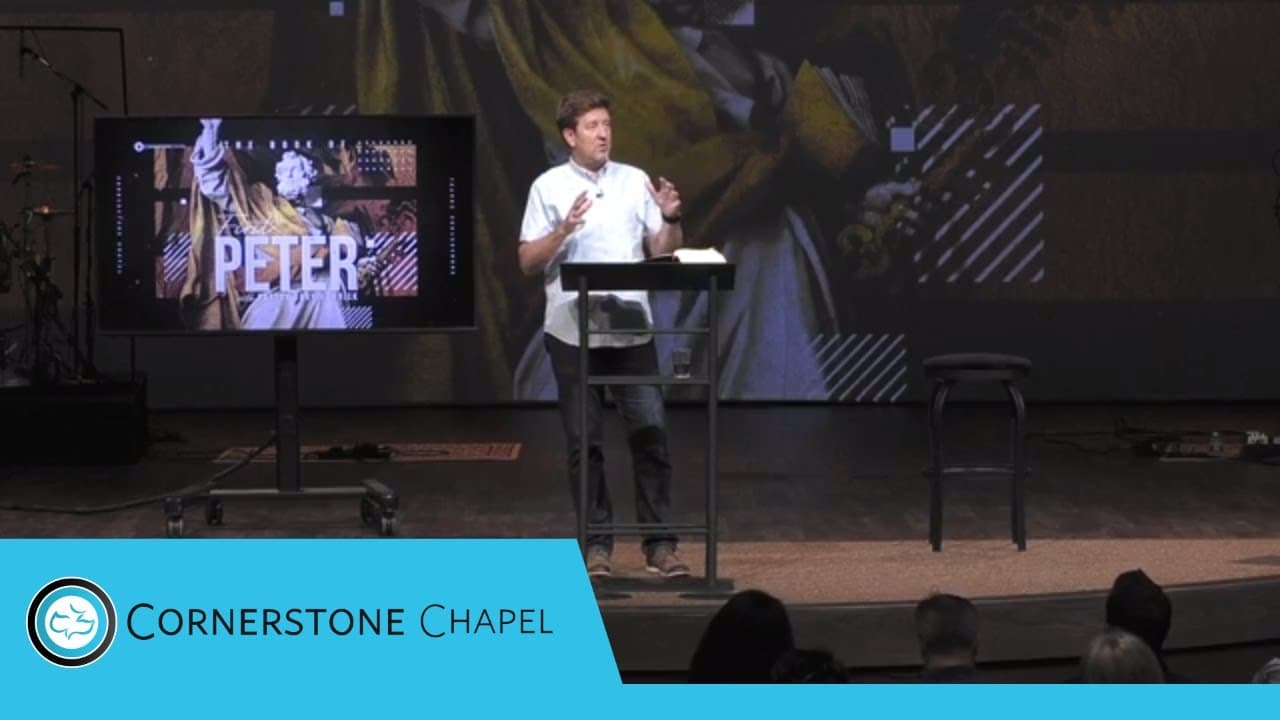
Verse by Verse Teaching | 1 Peter 1:1-8 | Gary Hamrick
TL;DR
Gary Hamrick explores 1 Peter 1:1-8, focusing on Peter's background and Christian suffering.
Transcript
first Peter chapter 1 page 11 88 in the church Bibles 1st Peter chapter 1 so let me pray first and then we'll see how far we get here through the first chapter if you're new to our Wednesday night study we go verse by verse through different books of the Bible and we just finished out the book of James last week so here we are in th... Read More
Key Insights
- Peter, the author of the epistle, was a prominent figure in the Gospels, known for his impulsive nature and close relationship with Jesus.
- Peter's letters were written around 64 AD, during a time of intense persecution of Christians under Emperor Nero in Rome.
- Nero blamed Christians for the Great Fire of Rome, leading to severe persecution, including public executions and torture.
- Peter refers to Christians as 'pilgrims,' emphasizing their temporary journey on Earth and their ultimate destination being heaven.
- The concept of being 'elect' is discussed, highlighting the foreknowledge of God in choosing believers based on their response to His call.
- Peter stresses the importance of the heavenly inheritance, a gift of salvation through faith in Jesus Christ, offering hope amidst suffering.
- The letter encourages Christians to endure suffering for their faith, drawing parallels with Christ's own suffering.
- Peter highlights the role of the Trinity in the process of salvation: God the Father knows, the Spirit sanctifies, and Jesus saves.
Install to Summarize YouTube Videos and Get Transcripts
Explore YouTube Video Summarizer or Get YouTube Transcript Extractor
Questions & Answers
Q: Who was Peter and what was his role in the Gospels?
Peter was a fisherman from Bethsaida, an apostle of Jesus Christ, and a prominent figure in the Gospels. Known for his impulsive nature, he often spoke first and thought later. He was rebuked and praised by Jesus more than any other disciple, and played a significant role in the early church.
Q: What historical context surrounds the writing of 1 Peter?
1 Peter was written around 64 AD during the reign of Emperor Nero. This period was marked by intense persecution of Christians, who were blamed for the Great Fire of Rome. Nero's brutal tactics included public executions and torture, leading to a time of suffering and martyrdom for many Christians, including Peter.
Q: What does Peter mean by referring to Christians as 'pilgrims'?
Peter uses the term 'pilgrims' to describe Christians as sojourners or travelers on a temporary journey through life on Earth. This metaphor emphasizes that believers are seeking a better place, ultimately heaven, and should not become too comfortable in this world, as their true home is with God.
Q: How does Peter address the concept of being 'elect'?
Peter describes believers as 'elect' according to the foreknowledge of God. This means that God, in His omniscience, knows who will respond to His call and accept salvation. The concept emphasizes God's sovereignty while allowing for human free will in accepting or rejecting His offer of grace.
Q: What is the significance of the heavenly inheritance mentioned by Peter?
The heavenly inheritance is a key theme in Peter's epistle, representing the eternal reward and salvation that believers receive through faith in Jesus Christ. It is described as incorruptible and reserved in heaven, offering hope and encouragement to Christians enduring suffering for their faith.
Q: How does Peter encourage believers facing persecution?
Peter encourages believers by reminding them of the temporary nature of their suffering compared to the eternal glory awaiting them. He draws parallels with Christ's own suffering, emphasizing that enduring trials for their faith will lead to praise, honor, and glory at the revelation of Jesus Christ.
Q: What role does the Trinity play in the process of salvation according to Peter?
Peter outlines the role of the Trinity in salvation: God the Father knows who are His through foreknowledge, the Holy Spirit sanctifies believers, and Jesus Christ saves them through His sacrifice. This highlights the collaborative work of the Trinity in bringing about and sustaining the believer's faith.
Q: What message does Peter convey about the nature of suffering for Christians?
Peter acknowledges that suffering is a part of the Christian experience, especially for those facing persecution for their faith. He reassures believers that their trials are temporary and serve a greater purpose, leading to spiritual growth and a deeper understanding of their heavenly reward and eternal life with God.
Summary & Key Takeaways
-
Gary Hamrick introduces 1 Peter 1:1-8, providing background on Peter's life and his significant role in the Gospels. Peter's impulsive nature and close interactions with Jesus are highlighted, as well as his authorship of the epistles during a time of persecution.
-
The historical context of the epistle is explored, focusing on the persecution of Christians in Rome under Nero. Christians were falsely blamed for the Great Fire of Rome, leading to severe persecution and martyrdom, including Peter's eventual crucifixion.
-
The theological themes of the epistle are discussed, emphasizing the temporary nature of life on Earth for Christians, referred to as 'pilgrims.' The concept of being 'elect' is explored, and the hope of a heavenly inheritance through faith in Jesus Christ is underscored.
Read in Other Languages (beta)
Share This Summary 📚
Summarize YouTube Videos and Get Video Transcripts with 1-Click
Try YouTube Summary with ChatGPT & Claude or YouTube Transcript Generator
Explore More Summaries from Cornerstone Chapel - Leesburg, VA 📚



Summarize YouTube Videos and Get Video Transcripts with 1-Click
Try YouTube Summary with ChatGPT & Claude or YouTube Transcript Generator