Magnificent photos from the sharp end of historical adventure
TL;DR
This exhibition showcases the first photographs taken in various locations, highlighting their role in documenting environmental change and inspiring critical reassessment.
Transcript
the absolute lights and shadows of all things seen and that are of value in expanding our knowledge of the world in which we live the words are from john thompson who was the photographic instructor for the fellows of the society in the 19th century and his legacy was in fact that many of the photographers whose work is represented in the exhibitio... Read More
Key Insights
- ✊ The exhibition showcases the transformative power of photography in capturing iconic locations and documenting environmental change.
- 👨🔬 Images captured by pioneering photographers have been instrumental in scientific research and climate modeling.
- 🏞️ Photographs have played a role in influencing political decisions, such as the establishment of national parks.
- ❓ Each photograph in the exhibition represents a specific historical context and purpose, creating a tension between their original intent and their potential societal impact.
- ❓ The exhibition highlights the importance of critical reassessment in interpreting and utilizing photography as both a historical and contemporary resource.
Install to Summarize YouTube Videos and Get Transcripts
Explore YouTube Video Summarizer or Get YouTube Transcript Extractor
Questions & Answers
Q: How did photographer Catherine Routledge approach her photography on Rapa Nui?
Catherine Routledge documented the landscape through mapping and then captured her experiences by photographing the Easter Island moe statues, representing the first photographs of these landmarks.
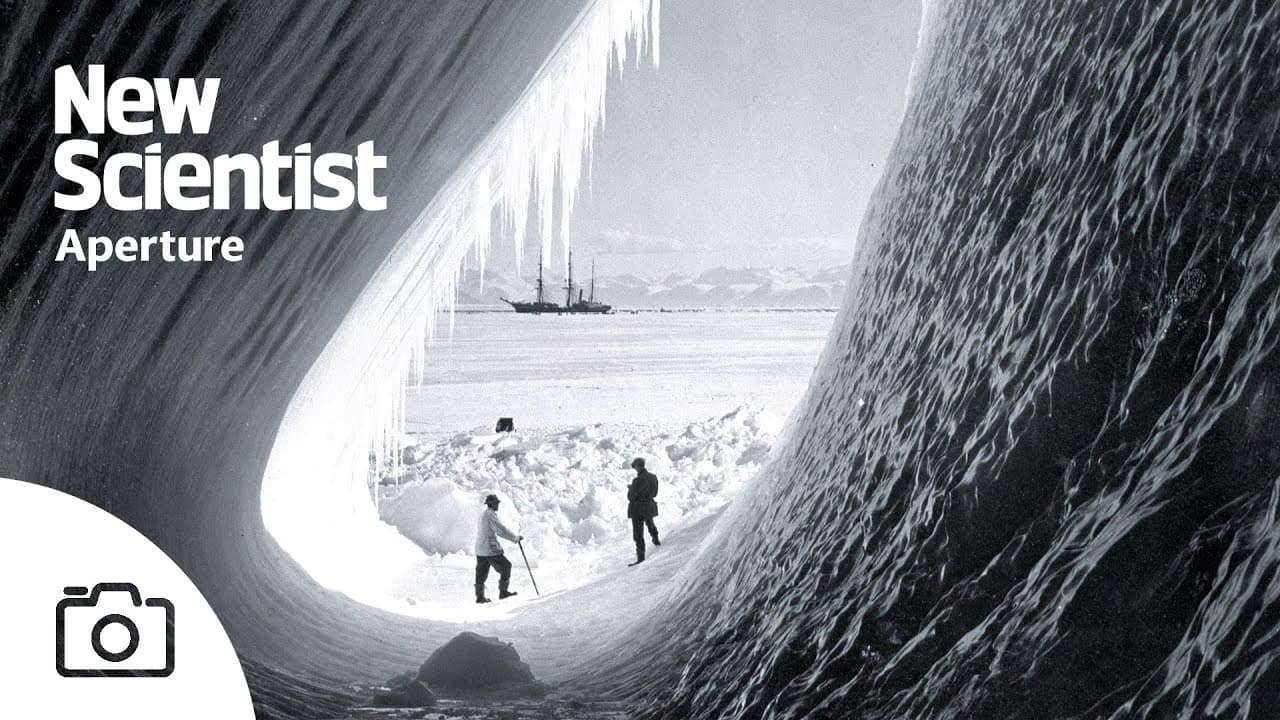
Q: What message does Frank Hurley's photograph in a white-out convey?
Hurley's photograph of men in a white-out in Antarctica emphasizes the leadership of Shackleton and the challenges faced by the expedition team in an unfamiliar and potentially life-threatening environment.
Q: How have photographs been used by scientists?
Scientists have used photographs to study climate change by analyzing aerial photographs from the 1930s of Everest and the log books of early expeditions. They offer valuable visual data for retro modeling.
Q: How did photographs influence the establishment of Yosemite National Park?
Carlton Watkins' photographs of giant sequoia trees were the first photographic representation of the region. These images were shown on the East Coast and shared with Abraham Lincoln, leading to the protection and designation of Yosemite as the first national park in the United States.
Summary & Key Takeaways
-
The exhibition exhibits photographs taken by pioneering photographers, documenting the landscape and capturing the grandeur of different locations.
-
These photographs serve as visual records of significant change, including economic and climate change, and have been used by scientists for research purposes.
-
Notable examples include the first aerial photographs of Everest and the photographs that influenced the establishment of Yosemite National Park.
Read in Other Languages (beta)
Share This Summary 📚
Summarize YouTube Videos and Get Video Transcripts with 1-Click
Try YouTube Summary with ChatGPT & Claude or YouTube Transcript Generator
Explore More Summaries from New Scientist 📚

Summarize YouTube Videos and Get Video Transcripts with 1-Click
Try YouTube Summary with ChatGPT & Claude or YouTube Transcript Generator