What Is Indonesia's Economic Future with Faisal Basri?
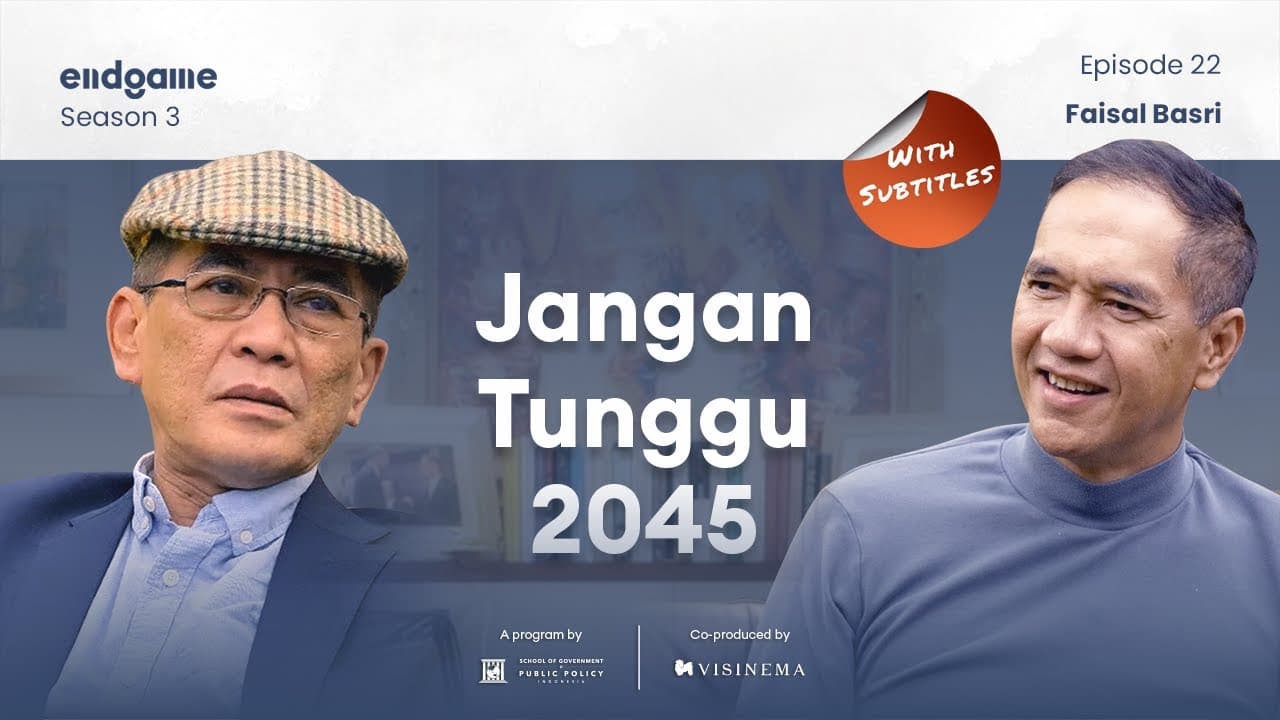
TL;DR
Indonesia's economic future hinges on political reform, improved infrastructure, and strategic investments. Faisal Basri emphasizes the importance of transitioning from an extractive to an inclusive economy, focusing on industrialization and equitable development. Strengthening maritime infrastructure and reforming political institutions are crucial for sustained growth and avoiding the middle-income trap.
Transcript
We have tried all ideologies. We have tried all economic systems. We have tried all political systems. Why we are trying all that? Because we never define ourselves; what are we? If I may take the liberty to define Indonesia, Indonesia is a social democracy country. [Voiceover: This is Endgame] Hello friends, I often get asked on social media. I w... Read More
Key Insights
- Indonesia's democracy has procedural strengths but lacks ideological differentiation among political parties.
- Public policy understanding is crucial for contributing to Indonesia's future development.
- Indonesia's economic growth is hindered by inefficient investments and a weak private sector.
- A shift from extractive to inclusive political and economic institutions is necessary for growth.
- Meritocracy should replace patronage systems to enhance talent selection in politics and economics.
- Strengthening maritime infrastructure can integrate the Indonesian economy and reduce logistics costs.
- The middle class and working class are vital for advancing democracy and economic inclusivity.
- Indonesia's future success depends on transforming economic and political paradigms to avoid the middle-income trap.
Install to Summarize YouTube Videos and Get Transcripts
Explore YouTube Video Summarizer or Get YouTube Transcript Extractor
Questions & Answers
Q: How can Indonesia avoid the middle-income trap?
Indonesia can avoid the middle-income trap by transitioning from extractive to inclusive political and economic institutions. This involves improving infrastructure, particularly maritime transport, to integrate the economy and reduce logistics costs. Strengthening the middle class and working class is crucial for advancing democracy and economic inclusivity. Focusing on industrialization and equitable development will also contribute to sustained growth.
Q: What role does public policy play in Indonesia's future?
Public policy is vital for Indonesia's future as it provides the framework for implementing changes necessary for development. Understanding policy analysis enables individuals to actualize solutions to various structural problems, impacting government, businesses, and non-profits. By focusing on effective public policy, Indonesia can address issues like inefficient investments and weak private sector growth, paving the way for economic progress.
Q: Why is meritocracy important for Indonesia?
Meritocracy is important for Indonesia as it ensures that talent selection in politics and economics is based on ability and competence rather than patronage. This shift can enhance governance and economic management, leading to more effective policy implementation and development outcomes. By prioritizing merit, Indonesia can harness the skills of its population to drive innovation and growth, crucial for competing in a global economy.
Q: What are the challenges facing Indonesia's democracy?
Indonesia's democracy faces challenges such as a lack of ideological differentiation among political parties, which leads to pragmatism and weak policy direction. Additionally, the political system is often characterized by patronage rather than merit-based talent selection. These issues hinder the development of a robust democratic process that can effectively address the country's socio-economic needs and drive long-term growth.
Q: How does maritime infrastructure impact Indonesia's economy?
Maritime infrastructure is crucial for Indonesia's economy as it can significantly reduce logistics costs and integrate the country's economy, which consists of thousands of islands. Improved sea transportation would facilitate the movement of goods, enhance trade, and support regional development. By focusing on maritime infrastructure, Indonesia can strengthen its economic connectivity and competitiveness, leading to more balanced and inclusive growth.
Q: What is the significance of law enforcement in attracting FDI to Indonesia?
Law enforcement is significant in attracting foreign direct investment (FDI) to Indonesia because it provides certainty and stability for investors. A strong legal framework ensures that business operations are protected and disputes are resolved fairly. By improving law enforcement, Indonesia can enhance its investment climate, making it more attractive to global investors and facilitating the inflow of capital necessary for economic development.
Q: What are the key factors for Indonesia's economic transformation?
Key factors for Indonesia's economic transformation include transitioning to inclusive institutions, focusing on industrialization, and improving infrastructure, particularly maritime transport. Strengthening the middle class and working class is essential for advancing democracy and economic inclusivity. Additionally, fostering a merit-based system in politics and economics will enhance governance and drive innovation, contributing to sustained economic growth.
Q: How can Indonesia improve its investment efficiency?
Indonesia can improve its investment efficiency by addressing the composition of investments, ensuring that they contribute to industrial capacity and economic productivity. Focusing on strategic sectors that enhance value creation and reduce dependency on imported raw materials is key. Additionally, improving governance and reducing corruption will ensure that investments are effectively utilized, leading to higher returns and economic growth.
Summary & Key Takeaways
-
Faisal Basri discusses Indonesia's need for political and economic reform to avoid the middle-income trap. He highlights the importance of transitioning from extractive to inclusive institutions and improving infrastructure, particularly in maritime transport, to integrate the economy. He emphasizes the role of the middle class and working class in pushing for substantial democracy and economic inclusivity.
-
Basri points out that Indonesia's democracy is procedurally sound but lacks ideological depth among political parties. He stresses the need for public policy understanding and merit-based talent selection to drive future development. The country's economic growth is hampered by inefficient investments and a weak private sector, which require strategic changes.
-
The conversation covers the importance of law enforcement and institutional integrity in attracting foreign investment. Basri suggests focusing on industrialization and equitable development to create a conducive environment for economic growth. He remains optimistic about Indonesia's potential, provided there are significant transformations in governance and economic strategies.
Read in Other Languages (beta)
Share This Summary 📚
Summarize YouTube Videos and Get Video Transcripts with 1-Click
Try YouTube Summary with ChatGPT & Claude or YouTube Transcript Generator
Explore More Summaries from Gita Wirjawan 📚






Summarize YouTube Videos and Get Video Transcripts with 1-Click
Try YouTube Summary with ChatGPT & Claude or YouTube Transcript Generator