What Is the Best Time Frame for Trading Beginners?
TL;DR
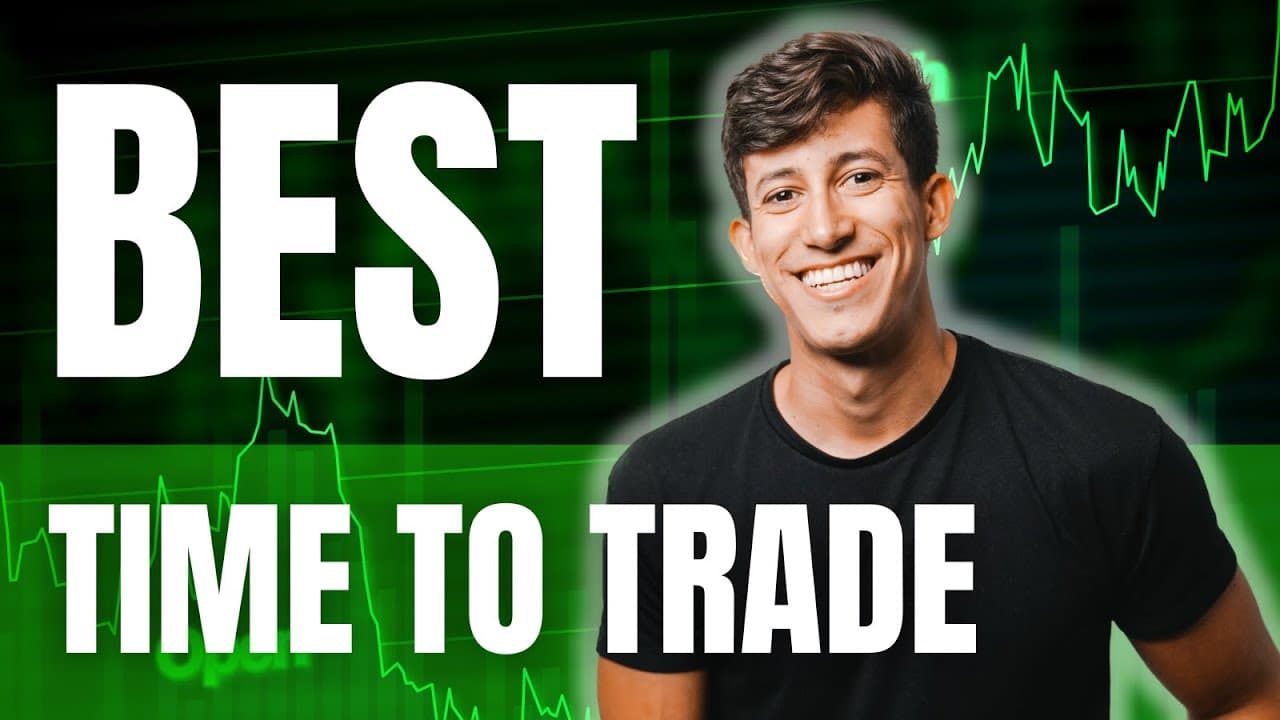
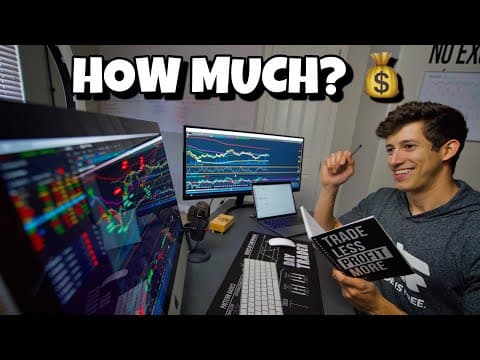
The best time frame for trading beginners is typically the five-minute chart, as it reduces impulsive decisions and helps avoid overtrading. Slowing down and using larger time frames increases the likelihood of quality setups by focusing on confirmation rather than quick trades. This method emphasizes trading less and profiting more.
Transcript
so I want to share with you guys today one of my little I don't want to call it a secret it's not a secret but it's a tip that I wish I was introduced to when I first got started and it's really just the the principle of slowing things down also let me know down in the comments section if you prefer this angle versus the other one uh that I used to... Read More
Key Insights
- 😛 Slowing down in trading and using larger time frames can help reduce impulsive decisions, overtrading, and fake outs.
- 👔 NASDAQ ETFs like TQQQ and SQQQ are tied to the performance of the NASDAQ market and offer opportunities for leveraging movements.
- 🦻 Focusing on the three stages of a reversal (rejection, consolidation, and confirmation) can aid in identifying quality setups.
- 💦 The five-minute timeframe is discussed as a preferred choice, but traders can choose time frames that work best for them.
- ❓ The content also mentions the importance of economic reports and suggests reacting rather than predicting their impact on the market.
- ™️ The principle of trading less and focusing on quality setups can lead to more profitable trades.
- 🫵 An invitation to a live trading session with the author is extended to viewers.
Install to Summarize YouTube Videos and Get Transcripts
Explore YouTube Video Summarizer or Get YouTube Transcript Extractor
Questions & Answers
Q: How can slowing down in trading help reduce overtrading and fake outs?
Slowing down in trading by using larger time frames, like the five-minute timeframe, allows for better analysis and reduces the likelihood of entering trades that result in overtrading or getting faked out by false signals.
Q: What are NASDAQ ETFs and how do they relate to the NASDAQ market?
NASDAQ ETFs, such as TQQQ and SQQQ, are exchange-traded funds that track the performance of the NASDAQ market. TQQQ is bullish, meaning it moves three times the percentage of the NASDAQ movement, while SQQQ is the inverse, moving in the opposite direction.
Q: How can the concept of the three stages of a reversal help in trading?
The three stages of a reversal, which include rejection, consolidation, and confirmation, provide a framework for identifying potential trading opportunities. By focusing on these stages and using larger time frames, traders can increase their chances of finding quality setups.
Q: Are larger time frames like the five-minute timeframe perfect for trading?
No, larger time frames are not perfect for trading as every day can be different. Depending on market conditions, there can still be fake outs and choppy days. The key is to be more selective and adapt the strategy to the current market environment.
Summary & Key Takeaways
-
The content discusses the principle of slowing down in trading and the use of larger time frames, such as the five-minute timeframe, to improve trading decisions.
-
It explains the concept of NASDAQ ETFs, specifically TQQQ and SQQQ, and their relation to the NASDAQ market's movement.
-
The content emphasizes the importance of focusing on quality setups and reducing impulsive decisions through the three stages of a reversal.
Read in Other Languages (beta)
Share This Summary 📚
Summarize YouTube Videos and Get Video Transcripts with 1-Click
Try YouTube Summary with ChatGPT & Claude or YouTube Transcript Generator
Explore More Summaries from Ricky Gutierrez 📚


Summarize YouTube Videos and Get Video Transcripts with 1-Click
Try YouTube Summary with ChatGPT & Claude or YouTube Transcript Generator