This New Tech Could Be Used To TOUCH GAME WORLDS
TL;DR
Advanced prosthetic technology may revolutionize virtual reality experiences.
Transcript
it's quite possible that in the near future you'll be able to explore Virtual Worlds inexpensively and realistically it might even become a mainstream thing today we're going to talk to you about the development in an incredible technology that allows people with prosthetic limbs to feel and how that technology may be applied to Virtual Reality the... Read More
Key Insights
- 💋 DARPA's innovations in neurotechnology enable paralyzed individuals to experience sensation through advanced prosthetics, marking a significant leap in limb technology.
- 💨 The integration of sensory feedback into prosthetics may pave the way for immersive applications in virtual reality, enhancing user experiences.
- 👃 The ability to feel touch, taste, and smell in virtual environments could transform the gaming industry, offering unprecedented realism.
- 🛟 Advancements in prosthetic technologies can benefit not only individuals with disabilities but also expand into various applications in everyday life.
- 👤 As neurotechnology develops, ethical considerations regarding data privacy and sensory experiences must be addressed to safeguard users.
- 🎮 Interactive games requiring real-world-like sensing could become a norm, profoundly changing how games are designed and played.
- 🦻 The direct neural interface technology offers potential therapeutic benefits, potentially aiding rehabilitation for users with motor-skill challenges.
Install to Summarize YouTube Videos and Get Transcripts
Explore YouTube Video Summarizer or Get YouTube Transcript Extractor
Questions & Answers
Q: What recent advancements have been made in prosthetic limb technology?
Recent advancements include developments by DARPA that enable paralyzed users to feel sensations through their brain-controlled prosthetics. A notable case involved a 28-year-old paralyzed man who could sense objects using the advanced technology connected to his brain. This progress represents a significant leap in neurotechnological research and prosthetic applications.
Q: How does the direct neural interface work?
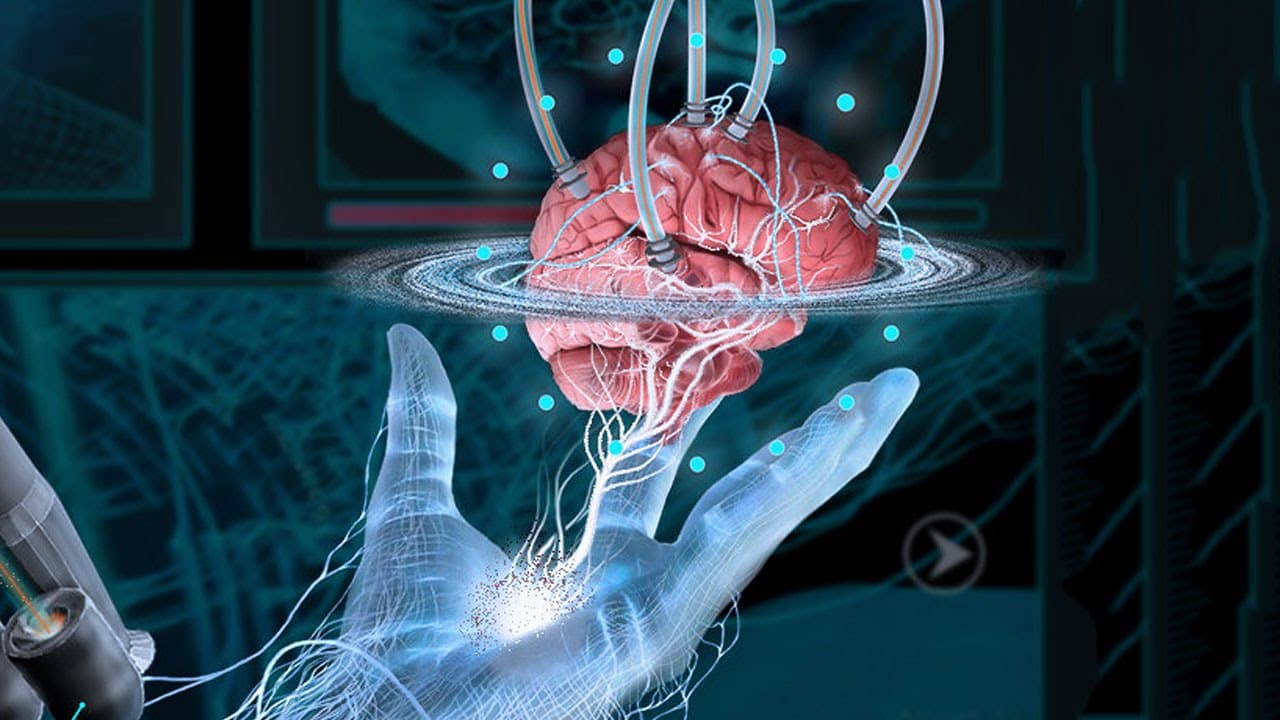
The direct neural interface used in contemporary prosthetics translates the forces applied to the robotic hand's fingertips into electrical signals. These signals stimulate sensory neurons in the brain, enabling the user to feel sensations as if they were coming from their natural limb. This connection allows users to experience tactile feedback, which enhances the functionality of prosthetic limbs significantly.
Q: What are the potential applications of this technology in virtual reality?
The technology's application in virtual reality could lead to groundbreaking experiences where users genuinely feel sensory inputs like touch, taste, and smell. This would profoundly enhance gaming and virtual environments, making scenarios more realistic and immersive, such as feeling the weight and impact during a boxing match or tasting food in a simulated environment.
Q: Could these advancements change the gaming industry?
Absolutely, these advancements could revolutionize the gaming industry by providing genuine sensory experiences. Players might navigate virtual worlds using tactile sensations, enhancing gameplay by requiring them to physically interact with objects, such as finding hidden items in the dark by touch. This could lead to more engaging and innovative games.
Q: What are the risks associated with integrating such technologies into daily life?
Integrating advanced technologies, such as direct brain interfaces, could pose risks including ethical concerns about sensory overload or dependency on virtual experiences. Additionally, if not regulated properly, it might lead to over-reliance on virtual simulations, where users might prefer virtual realities over actual life experiences.
Q: How might this technology impact individuals with disabilities?
This technology holds transformative potential for individuals with disabilities, particularly those relying on prosthetic limbs. By providing realistic sensory feedback, it could enhance their quality of life, allowing for more natural interactions with their environment, boosting confidence, and aiding in relearning motor skills through immersive experiences.
Summary & Key Takeaways
-
Recent advancements in prosthetic limb technology, particularly by DARPA, allow users to feel sensations through brain-controlled prosthetics, highlighting significant progress in neurotechnology.
-
The direct neural interface developed enables paralyzed individuals to experience tactile sensations as if through their own limbs, which opens new possibilities for virtual reality applications and immersive gaming experiences.
-
Virtual reality could soon incorporate legitimate sensory inputs, transforming gameplay by allowing users to feel touch, taste, and smell, thereby overcoming the current limitations of virtual experiences.
Read in Other Languages (beta)
Share This Summary 📚
Summarize YouTube Videos and Get Video Transcripts with 1-Click
Try YouTube Summary with ChatGPT & Claude or YouTube Transcript Generator
Explore More Summaries from gameranx 📚






Summarize YouTube Videos and Get Video Transcripts with 1-Click
Try YouTube Summary with ChatGPT & Claude or YouTube Transcript Generator