What Is the History and Language of Biscuits?
TL;DR
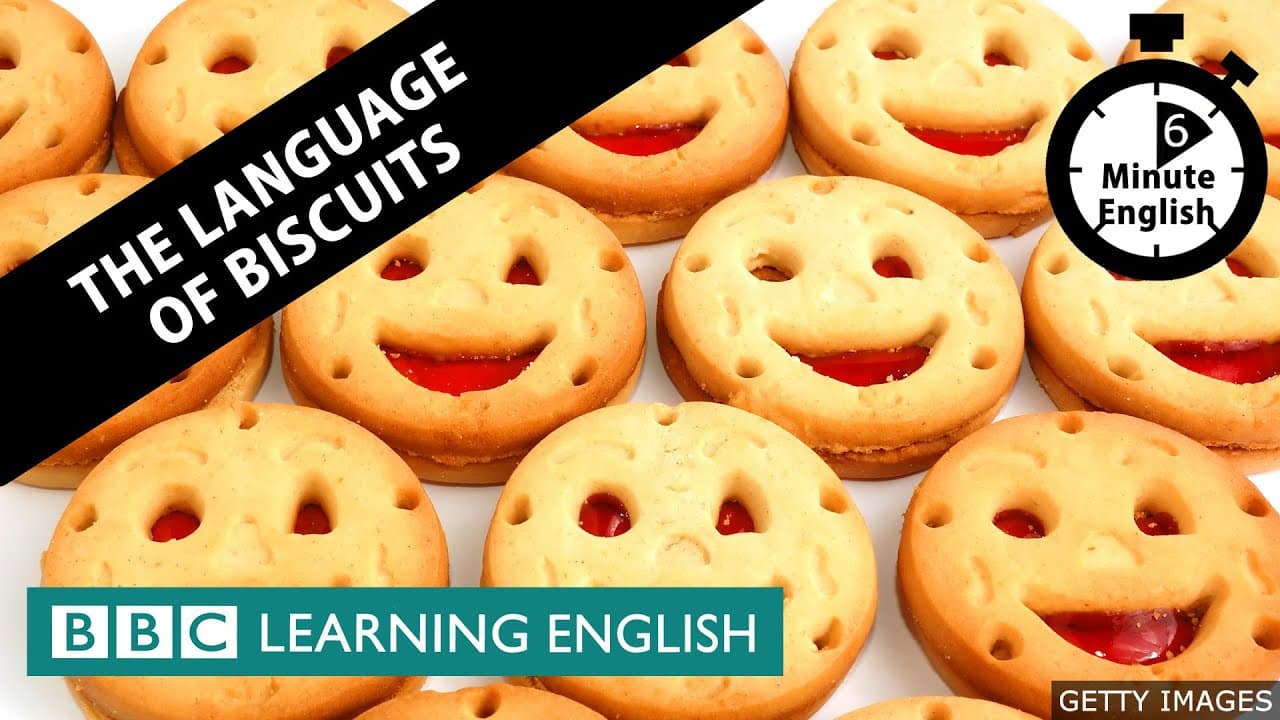
The history of biscuits traces back to the Latin word 'biscoctum,' meaning twice-cooked, ensuring durability for long journeys. During the Industrial Revolution, changing meal times increased the demand for quick, affordable snacks, leading to biscuits' widespread popularity. Today, they come in various forms, with cultural variations like Syria's barazeks highlighting their global appeal.
Transcript
Hello. This is 6 Minute English from BBC Learning English. I'm Neil. And I'm Rob. In this programme, we're talking about biscuits! Biscuits - a subject very close to my heart - something important to me and that interests me. I know, Rob. You are a biscuit connoisseur after all. And in the UK, many of us love to nibble on these sweet treats. And we... Read More
Key Insights
- Biscuits have a rich history, originating from the Latin word 'biscoctum', meaning twice cooked, which ensured they were long-lasting.
- The Industrial Revolution played a significant role in the rise of biscuit popularity due to changes in meal times and the need for quick snacks.
- Biscuits were initially hard and plain, suitable for long sea voyages, unlike the diverse and sweet varieties we enjoy today.
- The English spelling of 'biscuit' was influenced by the French, changing from 'bisket' to 'biscuit' in the 1800s.
- Biscuits became a staple snack due to their affordability, ease of consumption, and the quick energy boost they provide.
- The term 'dunking' refers to dipping biscuits into liquid, a common practice enhancing the biscuit-eating experience.
- The concept of 'sugar rush' describes the quick energy boost from consuming sugary biscuits, highlighting their appeal.
- Cultural variations exist, such as barazeks from Syria, showcasing the global appreciation and adaptation of biscuits.
Install to Summarize YouTube Videos and Get Transcripts
Explore YouTube Video Summarizer or Get YouTube Transcript Extractor
Questions & Answers
Q: What are the historical origins of the word 'biscuit'?
The word 'biscuit' originates from the Latin term 'biscoctum', meaning twice cooked, which refers to the process of cooking bread twice to make it hard and long-lasting. This method ensured biscuits could be stored for extended periods, making them ideal for long journeys, such as sea voyages.
Q: How did the Industrial Revolution impact biscuit consumption?
The Industrial Revolution led to changes in meal times, with breakfast becoming earlier and supper later, creating a gap that necessitated quick, easy snacks. Biscuits became popular as they were affordable, provided a quick energy boost, and fit well into the new meal structure, thus becoming a staple snack.
Q: Why did the English spelling of 'biscuit' change?
Originally spelled 'bisket', the English adopted the French spelling 'biscuit' in the 1800s. This change was influenced by a preference for the French language, which was often seen as more sophisticated or 'poncy', reflecting cultural shifts in language preferences at the time.
Q: What is the significance of 'dunking' in biscuit culture?
Dunking refers to the practice of dipping biscuits into liquid, such as tea, to soften them and enhance their flavor. It's a popular practice in many cultures, adding a pleasurable ritual to biscuit consumption and highlighting the versatility and enjoyment of biscuits as a snack.
Q: How did biscuits become a global snack?
Biscuits became a global snack due to their simplicity, affordability, and adaptability to different tastes and cultures. Varieties like Syria's barazeks show how biscuits have been embraced and adapted worldwide, with each culture adding its unique twist, thus spreading their popularity globally.
Q: What role does 'sugar rush' play in biscuit consumption?
A 'sugar rush' refers to the quick energy boost one gets from consuming sugary biscuits. This immediate boost in energy made biscuits particularly appealing during the Industrial Revolution when people needed quick, efficient sources of energy between meals, thus contributing to their widespread consumption.
Q: What cultural variations of biscuits are mentioned?
The episode mentions barazeks, a type of biscuit traditionally eaten in Syria. Barazeks are filled with roasted sesame seeds and pistachio chips, showcasing the cultural diversity and adaptation of biscuits across different regions, reflecting local tastes and ingredients.
Q: How has the perception of biscuits changed over time?
Initially seen as hard, plain staples for long journeys, biscuits have evolved into diverse, sweet treats enjoyed globally. The Industrial Revolution and cultural adaptations have transformed biscuits into a beloved snack, with a rich history and language reflecting their journey from necessity to indulgence.
Summary & Key Takeaways
-
The episode delves into the historical origins of biscuits, tracing back to Latin and French influences. It highlights their evolution from hard, sea voyage staples to the diverse varieties we know today, aided by the Industrial Revolution.
-
Biscuits gained popularity during the Industrial Revolution due to changes in meal times, creating a demand for quick, affordable snacks that provided energy. This shift in eating habits made biscuits a staple in people's diets.
-
The episode explores the language around biscuits, introducing terms like 'dunking' and 'sugar rush'. It also touches on cultural variations, such as Syria's barazeks, demonstrating biscuits' global appeal and linguistic evolution.
Read in Other Languages (beta)
Share This Summary 📚
Summarize YouTube Videos and Get Video Transcripts with 1-Click
Try YouTube Summary with ChatGPT & Claude or YouTube Transcript Generator
Explore More Summaries from BBC Learning English 📚

Summarize YouTube Videos and Get Video Transcripts with 1-Click
Try YouTube Summary with ChatGPT & Claude or YouTube Transcript Generator