ACCOUNTANT EXPLAINS: How I manage my money on payday: Income, Expenses & Savings
TL;DR
Learn a three-step method for managing finances effectively.
Transcript
over the last 5 years I have tried and tested so many different strategies to manage my money and I've done that because understanding how to manage your money and be in control of your money is one of the most important life skills we can learn today it doesn't matter if you're making 50,000 or a 100,000 a year the... Read More
Key Insights
- Effective money management is crucial regardless of income level, focusing on balancing present enjoyment and future planning.
- A three-step method is introduced for managing money: defining income, allocating funds into categories, and reflecting on spending.
- The 50/30/20 rule is a guideline for budgeting, but it may need adjustment based on individual circumstances.
- Automating payments and savings can reduce friction in financial management, making it easier to maintain financial discipline.
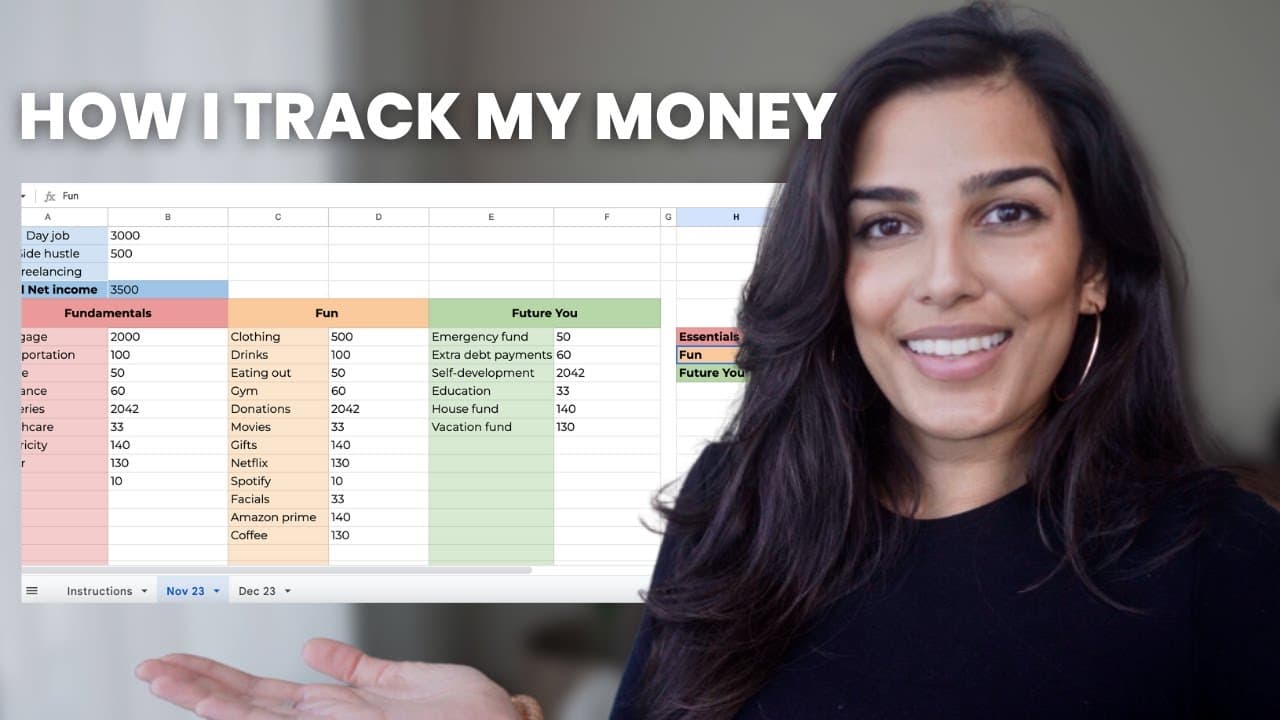
- The 'fundamental' bucket covers essential needs like housing and utilities, requiring careful tracking of expenses.
- The 'fun' bucket includes non-essential, enjoyable expenses, emphasizing the importance of distinguishing wants from needs.
- The 'future you' bucket focuses on savings and investments, advocating for automatic transfers to separate accounts for specific goals.
- Regular reflection on financial goals and spending patterns helps in making necessary adjustments and achieving financial stability.
Install to Summarize YouTube Videos and Get Transcripts
Explore YouTube Video Summarizer or Get YouTube Transcript Extractor
Questions & Answers
Q: What is the main focus of the video?
The main focus of the video is to teach viewers how to effectively manage their finances through a three-step method. This method involves defining income, categorizing expenses into fundamental, fun, and future savings buckets, and reflecting on spending habits to ensure financial stability and growth.
Q: What is the 50/30/20 rule mentioned in the video?
The 50/30/20 rule is a budgeting guideline that suggests allocating 50% of net income towards essential needs, 30% towards non-essential, enjoyable expenses, and 20% towards savings and investments. The video notes that this rule may need to be adjusted based on individual financial situations and goals.
Q: How does automation help in financial management?
Automation helps in financial management by reducing the friction involved in managing money. Setting up direct debits for bills and automatic transfers for savings ensures that payments and savings are made consistently without requiring manual intervention, making it easier to maintain financial discipline.
Q: What are the three expense categories discussed?
The three expense categories discussed are the 'fundamental' bucket for essential needs like housing and utilities, the 'fun' bucket for non-essential, enjoyable expenses, and the 'future you' bucket for savings and investments. Each category requires careful allocation to ensure a balanced financial plan.
Q: Why is reflection important in financial management?
Reflection is important in financial management as it allows individuals to assess their spending habits and make necessary adjustments. By regularly reviewing financial goals and actual spending, individuals can identify areas for improvement, ensure alignment with financial objectives, and maintain financial health.
Q: What is the significance of separating savings accounts for different goals?
Separating savings accounts for different goals is significant because it provides clarity and motivation. By having specific accounts for each goal, such as a house fund or a car fund, individuals can easily track progress and remain focused on achieving their financial objectives, thereby enhancing the likelihood of success.
Q: How should one handle multiple income sources?
When handling multiple income sources, it's important to accurately account for all earnings, including after-tax amounts from side gigs and freelance work. This ensures a comprehensive view of total income, which is crucial for effective budgeting and allocation of funds into the appropriate expense categories.
Q: What is the purpose of the free template provided in the video?
The purpose of the free template provided in the video is to assist viewers in tracking and managing their finances. The template includes color-coded categories for expenses and income, allowing users to easily monitor their financial status and make informed decisions about spending and saving based on their personal goals.
Summary & Key Takeaways
-
The video discusses the importance of money management and introduces a three-step method to effectively manage finances. This involves defining income, categorizing expenses, and reflecting on spending habits. The method aims to balance present enjoyment with future financial security.
-
A budgeting guideline, the 50/30/20 rule, is explained, suggesting allocations for essentials, non-essentials, and savings. The video emphasizes the need for personalizing these percentages based on individual financial circumstances and goals.
-
Automation of financial processes, such as direct debits and automatic savings transfers, is recommended to minimize friction in financial management. The video also stresses the importance of regular reflection on financial habits to make necessary adjustments.
Read in Other Languages (beta)
Share This Summary 📚
Summarize YouTube Videos and Get Video Transcripts with 1-Click
Try YouTube Summary with ChatGPT & Claude or YouTube Transcript Generator
Explore More Summaries from Nischa 📚




Summarize YouTube Videos and Get Video Transcripts with 1-Click
Try YouTube Summary with ChatGPT & Claude or YouTube Transcript Generator