WI v. Theodore Edgecomb Trial Day 6 - Judge Reads Jury Instructions
TL;DR
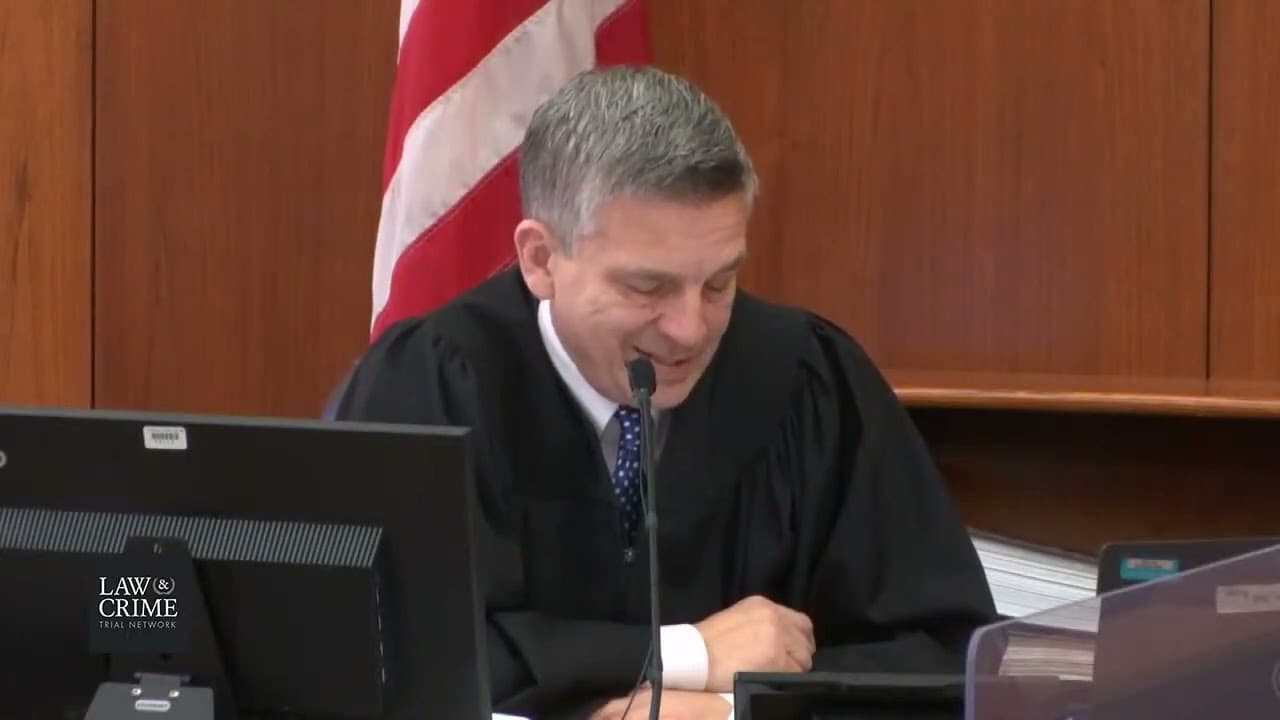
The judge provides lengthy jury instructions regarding various degrees of homicide, self-defense, and the use of a dangerous weapon in a homicide trial. Closing arguments are scheduled to follow.
Transcript
fine the jury's coming in welcome back ladies and gentlemen uh i'm sure over the course of the last week plus at times you must think geez borowski cannot tell time um because i said you'd been around nine and it's more like 10. we've been discussing a few things discussing the jury instructions i'm going to read you the jury instructions the jury ... Read More
Key Insights
- 😒 The jury instructions provide guidance on various degrees of homicide, self-defense, and the use of a dangerous weapon in the case.
- 🧑⚖️ The judge emphasizes the importance of following the law and basing the verdict solely on the evidence presented during the trial.
- 😆 The burden of proof rests with the state, and the jury must be satisfied beyond a reasonable doubt that the defendant is guilty.
- 😒 The use of circumstantial evidence is discussed, and the jury is reminded to use their common sense and reason in evaluating testimony.
- ⌛ The closing arguments following the jury instructions will be limited to a maximum of an hour and a half each for both the defense and the prosecution.
- 😥 The judge points out that remarks or comments made by attorneys are not evidence, and the jury should draw their own conclusions based on the evidence presented.
- 🤗 The defendant's temporary firearm restriction or other open cases should not influence the jury's deliberations.
- 👍 The jury's decision should be based on the law and facts presented, and each degree of homicide is outlined with specific elements to be proven by the state.
Install to Summarize YouTube Videos and Get Transcripts
Explore YouTube Video Summarizer or Get YouTube Transcript Extractor
Questions & Answers
Q: What are the different degrees of homicide mentioned in the jury instructions?
The different degrees of homicide discussed in the jury instructions are first-degree intentional homicide, second-degree intentional homicide, first-degree reckless homicide, second-degree reckless homicide, and homicide by negligent use of a weapon.
Q: How does self-defense play a role in the case?
The jury must consider whether the defendant acted in self-defense when determining the degree of homicide. Self-defense allows a person to use force to prevent or terminate an unlawful interference with their person, but the force used must be reasonable and necessary.
Q: What is the significance of the use of a dangerous weapon in the case?
The use of a dangerous weapon elevates the charges against the defendant. If the jury finds the defendant guilty of any offense, they must also determine if the crime was committed while using a dangerous weapon.
Q: How should the jury evaluate the credibility of witnesses?
The jury should consider various factors such as the witness's interest or lack of interest, conduct, appearance, demeanor, recollection, opportunity to observe, reasonableness of testimony, intelligence, bias, motives, and other relevant facts and circumstances.
Summary & Key Takeaways
-
The judge provides instructions to the jury regarding the law and principles they must consider in reaching a verdict in a first-degree intentional homicide case.
-
The instructions cover different degrees of homicide, self-defense, recklessness, negligence, and the use of a dangerous weapon.
-
The judge emphasizes that the jury's duty is to follow the law and consider the evidence provided to make a decision.
Read in Other Languages (beta)
Share This Summary 📚
Summarize YouTube Videos and Get Video Transcripts with 1-Click
Try YouTube Summary with ChatGPT & Claude or YouTube Transcript Generator
Explore More Summaries from Law&Crime Network 📚






Summarize YouTube Videos and Get Video Transcripts with 1-Click
Try YouTube Summary with ChatGPT & Claude or YouTube Transcript Generator