The New Maritime Silk Road
TL;DR
The emerging trade relationships between regions in the East, particularly China and the Middle East, through the new Maritime Silk Road pose both benefits and risks for the global economy.
Transcript
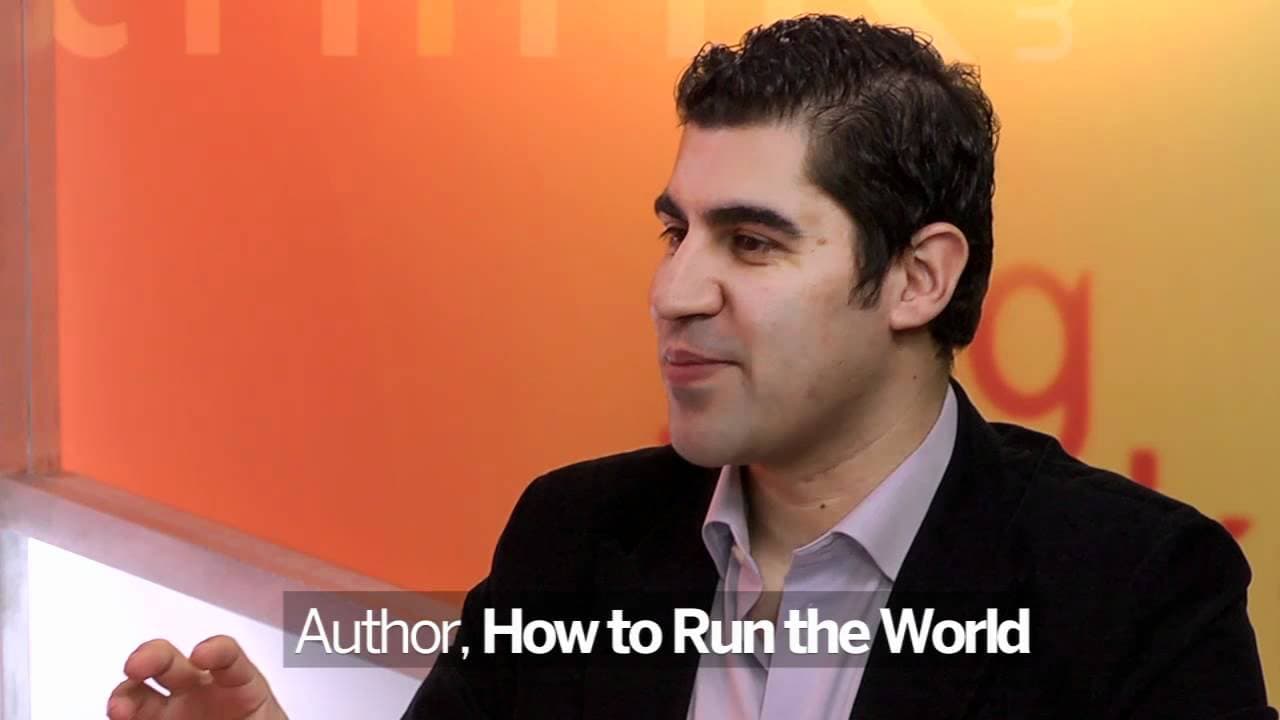
welcome to the global Roundtable this series focuses on the future of economic competition I'm parag Kaa joined by a distinguished panel including damisa moo Daniel Altman and Anand gardas today's topic is the new Maritime Silk Road despite the financial crisis we have Emerging Market regions trading ever more with each other and even becoming engi... Read More
Key Insights
- 🌐 Emerging Market regions, particularly China and the Middle East, are driving global economic growth through increased trade with each other.
- 🤨 The new Maritime Silk Road is a significant trade route that connects Persian Gulf countries with China, but it raises concerns about potential coercive relationships and instability.
- ™️ This trade poses benefits in terms of resource accessibility and economic growth, but it also highlights the need for the West to adapt and remain relevant in a changing global trade landscape.
Install to Summarize YouTube Videos and Get Transcripts
Explore YouTube Video Summarizer or Get YouTube Transcript Extractor
Questions & Answers
Q: What is driving the increased trading relationships between China and the Middle East?
The economies of China and the Middle East have large populations seeking to improve their economic and living standards. China, with limited arable land, seeks resources from countries with more arable land, while the Middle East looks for financing and food from Africa, which has untilled arable land.
Q: Is the new Maritime Silk Road a form of colonialism?
While it is not colonialism in the traditional sense, some argue that it creates coercive relationships and influences foreign policies of the countries involved. Large sums of money are exchanged, and leaders rather than the people are making the trade deals.
Q: What is the role of the West in this changing global trade landscape?
The West needs to adapt and consider how it can remain relevant in a world where trade transactions increasingly occur among countries outside the West. Developing countries are becoming powerful consumer markets, and the West should focus on maintaining economic power and innovation to tap into these markets.
Q: What are the resource constraints that could potentially undermine the new Maritime Silk Road?
The growing population, expected to reach 9 billion by 2050, will create challenges in terms of arable land, water, energy, and minerals. Finding solutions to these resource constraints will be crucial for the future of the global economy and global competition.
Summary & Key Takeaways
-
Emerging Market regions, such as China and the Middle East, are increasingly trading with each other and becoming engines of global economic growth.
-
The new Maritime Silk Road refers to the growing trade between the Persian Gulf countries and China, which has significant implications for the global economy.
-
While this trade brings benefits in terms of resource accessibility and economic growth, it also raises concerns about potential coercive relationships and long-term stability.
Read in Other Languages (beta)
Share This Summary 📚
Summarize YouTube Videos and Get Video Transcripts with 1-Click
Try YouTube Summary with ChatGPT & Claude or YouTube Transcript Generator
Explore More Summaries from Big Think 📚




Summarize YouTube Videos and Get Video Transcripts with 1-Click
Try YouTube Summary with ChatGPT & Claude or YouTube Transcript Generator