How to Effectively Slow Down Aging
TL;DR
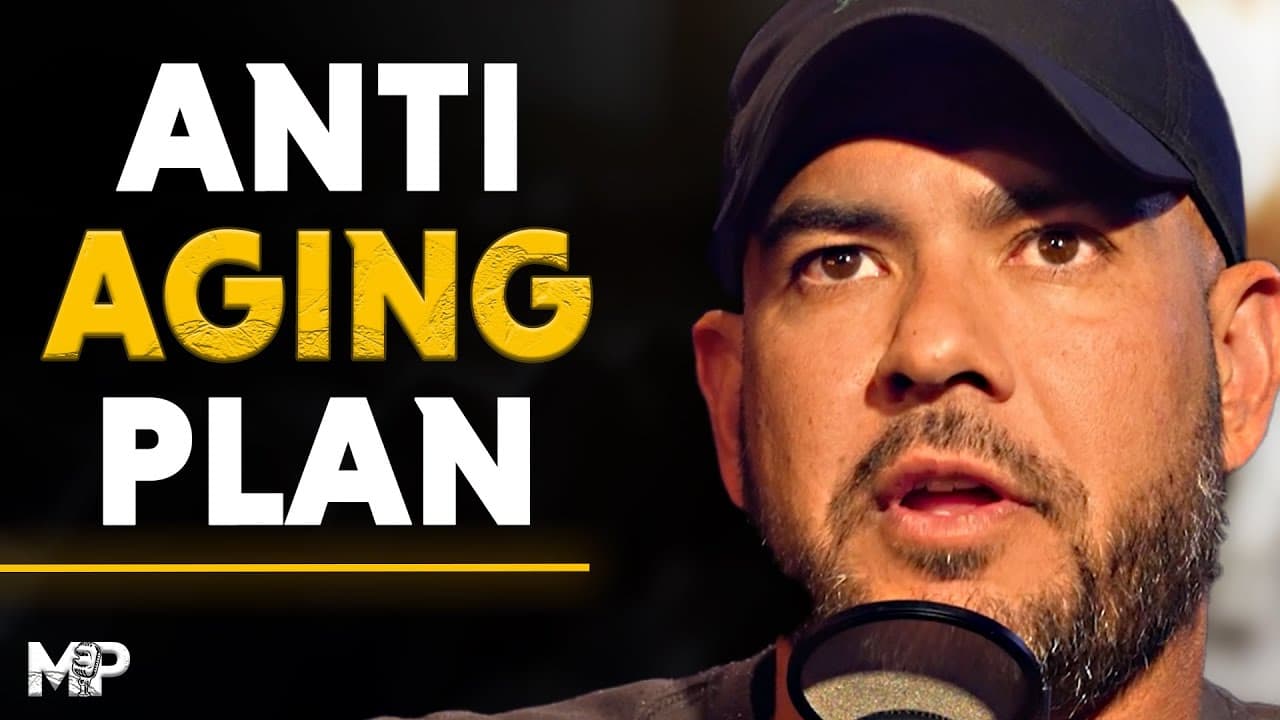
To effectively slow down aging, focus on strength training, calorie restriction, omega-3 intake, taking short naps, and practicing mindfulness or prayer. These methods have been shown to reduce biological markers of aging and improve symptoms associated with getting older, such as loss of strength, mobility, and cognitive function.
Transcript
Getting older, it can suck, but it doesn't have to suck. We're going to talk about five proven ways by studies and data that actually slow down the aging process. Again, they're proven. Let's get into it. I feel this is prompted from our gray hair conversation. Yeah, I know. Getting old rules that we all have. I need to reframe this. Let me list al... Read More
Key Insights
- Strength training is the most effective exercise for slowing aging, improving strength, mobility, and reducing hormonal and insulin sensitivity issues.
- Calorie restriction should be approached as avoiding overeating rather than severe calorie cutting, which can lead to weakness.
- Omega-3s and grass-fed beef improve fatty acid profiles, reducing inflammation and oxidative damage linked to aging.
- Regular short naps (5-30 minutes) can rejuvenate the brain, correlating with slower cognitive decline and biological aging.
- Mindfulness and prayer are associated with longer telomeres, potentially slowing aging by promoting emotional regulation and reducing stress.
- Muscle is considered the 'organ of youth,' crucial for maintaining a youthful profile and overall health.
- Excessive long naps may indicate underlying health issues, whereas short naps are beneficial.
- Maintaining a high protein intake is crucial as protein isn't stored like carbs or fat, ensuring daily muscle protein synthesis is essential.
Install to Summarize YouTube Videos and Get Transcripts
Explore YouTube Video Summarizer or Get YouTube Transcript Extractor
Questions & Answers
Q: How does strength training slow down aging?
Strength training slows aging by improving muscle strength, mobility, and balance, which are often lost with age. It also enhances hormonal balance and insulin sensitivity, contributing to a more youthful profile. Regular strength training can improve both the biological markers of aging and symptoms associated with getting older.
Q: Why is calorie restriction beneficial for aging?
Calorie restriction, when approached as avoiding overeating, can slow aging by reducing the risk of obesity-related diseases and inflammation. It is important to maintain a high protein intake to support muscle health, as severe calorie restriction can lead to weakness and increased mortality risk, especially in older adults.
Q: What role do omega-3s play in aging?
Omega-3 fatty acids help balance the fatty acid profile, reducing inflammation and oxidative damage, which are linked to aging. Consuming omega-3-rich foods or supplements, along with grass-fed beef, can improve overall health and slow down the aging process by mitigating pro-inflammatory effects common in Western diets.
Q: How do short naps benefit aging?
Short naps (5-30 minutes) enhance brain function and slow cognitive decline by providing rest and recovery. They are linked to younger brain volume and slower biological age acceleration. Unlike long naps, which may indicate health issues, short naps are beneficial and do not disrupt nighttime sleep in older individuals.
Q: What is the impact of mindfulness on aging?
Mindfulness practices, including prayer and meditation, are associated with longer telomeres, which are indicators of slower aging. These practices reduce stress, improve emotional regulation, and foster community engagement, all of which contribute to a slower aging process and improved overall well-being.
Q: Why is muscle considered the 'organ of youth'?
Muscle is vital for maintaining a youthful appearance and function because it supports metabolism, mobility, and overall health. Healthy muscle mass reduces the risk of age-related decline and diseases, making strength training and protein intake crucial for preserving muscle as we age.
Q: How does protein intake affect aging?
Adequate daily protein intake is essential for muscle maintenance and repair, as protein isn't stored like carbohydrates or fat. Consistent protein consumption supports muscle protein synthesis, which is crucial for reducing muscle loss and supporting overall health as we age.
Q: What are the potential downsides of long naps?
Long naps may signal underlying health issues and can disrupt nighttime sleep, leading to poorer sleep quality. While short naps are beneficial, excessive napping could indicate fatigue or other health problems that need to be addressed to maintain optimal health and slow aging.
Summary & Key Takeaways
-
Strength training is crucial for slowing down the aging process, enhancing strength, mobility, and hormonal balance. It is considered the best exercise for maintaining a youthful profile.
-
Calorie restriction should focus on avoiding overeating, while omega-3 intake and grass-fed beef help balance fatty acids, reducing inflammation and oxidative stress.
-
Short naps and mindfulness practices like prayer or meditation can slow cognitive decline, reduce stress, and promote emotional regulation, contributing to slower biological aging.
Read in Other Languages (beta)
Share This Summary 📚
Summarize YouTube Videos and Get Video Transcripts with 1-Click
Try YouTube Summary with ChatGPT & Claude or YouTube Transcript Generator
Explore More Summaries from Mind Pump Show 📚



Summarize YouTube Videos and Get Video Transcripts with 1-Click
Try YouTube Summary with ChatGPT & Claude or YouTube Transcript Generator