The Kids Are Not Alright | Leah Kisin | TEDxYouth@WCHS
TL;DR
Teenagers struggle with mental health stigma, inhibiting their access to necessary support and treatment.
Transcript
hi my name is Leah and today I want to talk about how the kids are not all right have you ever felt hesitant to share your struggles worried about what others might think did you know that around 50% of individuals with a mental health condition aren't receiving the treatment they need the Staggering statistic highlights a critical issue the pervas... Read More
Key Insights
- 💉 A significant portion of individuals with mental health conditions remain untreated due to fears of stigma, highlighting the need for societal changes.
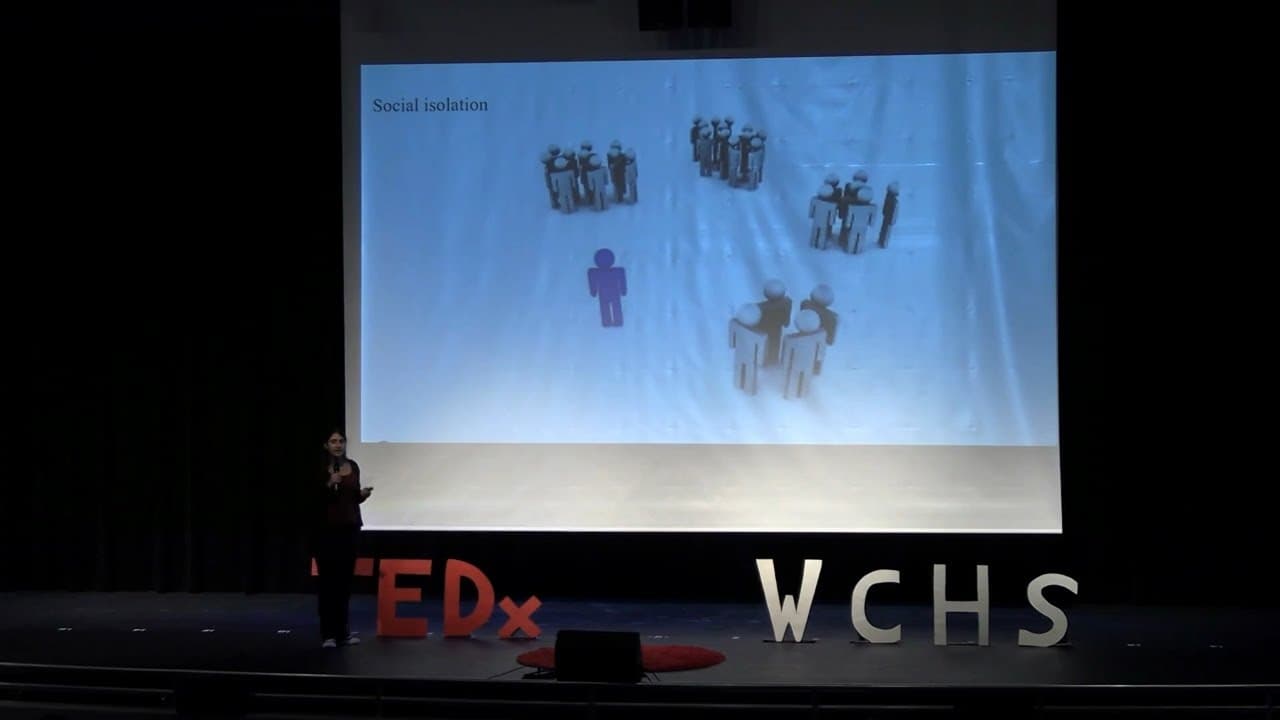
- 🥺 Public stigma leads to misconceptions and discrimination against those with mental health issues, thus increasing their social isolation.
- 🤳 Self-stigma results in lower self-esteem and internal guilt for struggling with mental health, making recovery more challenging.
- 🖐️ The media plays a crucial role in perpetuating negative stereotypes about mental illness, contributing to societal stigma.
- 🤗 Cultural beliefs regarding mental health often vary, with some viewing help-seeking as a weakness, which can hinder open discussions within families.
- 😀 Teenagers face unique pressures that amplify feelings of isolation and stigma, especially in the context of social media and the ongoing effects of the pandemic.
- 💉 School-based mental health resources need to evolve to better address the actual experiences and needs of students, ensuring relevant and compassionate support.
Install to Summarize YouTube Videos and Get Transcripts
Explore YouTube Video Summarizer or Get YouTube Transcript Extractor
Questions & Answers
Q: What is the main reason teenagers hesitate to seek mental health help?
Teenagers often fear judgment and being labeled as different or weak when disclosing their mental health struggles. This fear is rooted in societal stigma, which leads many to internalize negative beliefs about their conditions, resulting in a reluctance to reach out for support.
Q: What types of stigma exist around mental health?
Stigma surrounding mental health can be categorized into public stigma, which refers to society's negative beliefs; self-stigma, where individuals internalize these negative perceptions; and structural stigma, which is embedded in laws and policies that create barriers to support for those with mental illnesses.
Q: How does mental health stigma affect teenagers specifically?
The stigma surrounding mental health can lead to social isolation in teenagers, prompting them to hide their struggles. This isolation can worsen their mental health conditions, driving them to engage in risky coping behaviors like substance abuse or self-harm as they feel increasingly alone.
Q: What percentage of teens reported they did not reach out for help?
In a survey conducted, approximately 61% of teens indicated that they did not seek help during difficult times, primarily due to fears of being judged or overlooked by adults, highlighting a significant barrier to obtaining essential support.
Q: How could schools improve mental health resources for students?
Schools could implement mental health and wellness days to allow students necessary breaks, foster trust between students and counselors by ensuring confidentiality, and focus on relevant, engaging mental health education that encourages students to seek help rather than stigmatizing their issues.
Q: Why do some students find current suicide prevention lessons ineffective?
Many students find the existing suicide prevention lessons to be outdated and superficial, as they often feature dramatic presentations that feel unrelated to their real experiences. This detachment leads to disengagement and further reluctance among students to discuss their mental health issues with adults.
Summary & Key Takeaways
-
Around 50% of individuals with mental health conditions do not seek treatment due to fear of judgment and stigma, especially among teenagers. This social stigma can exacerbate mental health issues and contribute to feelings of isolation.
-
Mental health stigma manifests in three forms: public stigma, self-stigma, and structural stigma. Each type perpetuates negative beliefs about mental illness and deters individuals from seeking help.
-
Schools, while attempting to address mental health issues, often fail to connect effectively with students. Many teens distrust counselors and feel that resources are inadequate or irrelevant to their actual experiences.
Read in Other Languages (beta)
Share This Summary 📚
Summarize YouTube Videos and Get Video Transcripts with 1-Click
Try YouTube Summary with ChatGPT & Claude or YouTube Transcript Generator
Explore More Summaries from TEDx Talks 📚






Summarize YouTube Videos and Get Video Transcripts with 1-Click
Try YouTube Summary with ChatGPT & Claude or YouTube Transcript Generator