How to Eat Meat While Being Environmentally Conscious
TL;DR
You can enjoy meat responsibly by choosing better quality options, eating smaller portions, and reducing the frequency of meat consumption. Aim for organic or pasture-raised meat, rethink meat as a secondary ingredient in meals, and consider having at least one meatless day each week. Small, consistent changes can significantly lessen your carbon footprint.
Transcript
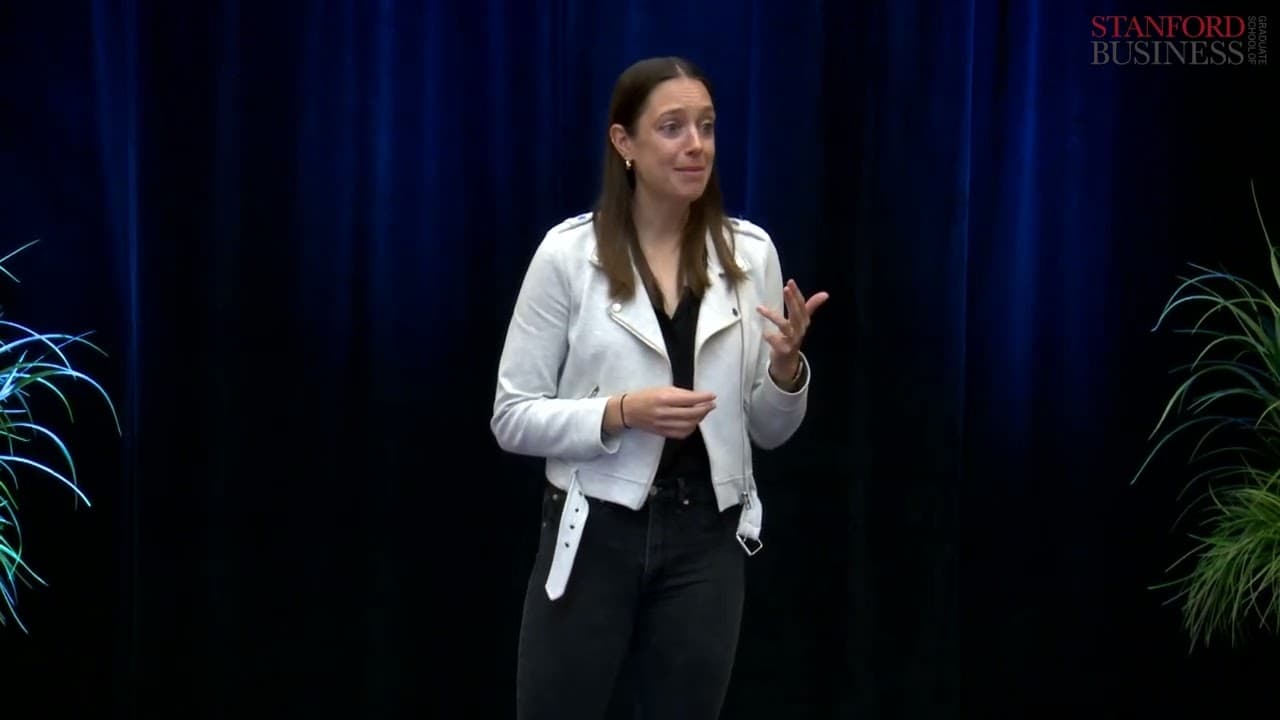
[MUSIC] Think for a moment about a hot dog. What comes to mind? Let me be the first to tell you that I think the concept of a hot dog is absolutely revolting. Pink rubbery mystery meat in a long tube-like shape that makes you wonder, is it really food that most of us drench in ketchup, mustard, sometimes relish to mask the strange salt-laden flavor... Read More
Key Insights
- 🍖 Meat consumption and the meat industry have a significant negative impact on the environment.
- 🍖 Many people eat meat because it is the default option and provides a perceived high protein content.
- ❣️ The alternatives to meat are often considered expensive, carb-heavy, greasy, or bland.
- 🍖 Individuals can adopt more environmentally conscious eating habits by choosing better meat options, consuming smaller portions, and reducing their meat consumption frequency.
- 🍉 Reducing meat consumption even once a week can make a substantial difference in terms of environmental impact.
- 🛩️ Small changes at an individual level can contribute to a larger positive impact on the environment.
- ✋ Beef and lamb have a higher environmental impact compared to chicken or turkey.
- 🍖 Eating meat as a side or topping rather than a main course can reduce portion sizes.
Install to Summarize YouTube Videos and Get Transcripts
Explore YouTube Video Summarizer or Get YouTube Transcript Extractor
Questions & Answers
Q: Why is the meat industry harmful to the environment?
The meat industry leads to deforestation, water contamination, air pollution, and soil biodiversity loss. It's also responsible for over one-fifth of global greenhouse gas emissions.
Q: What are the top reasons people love and eat meat?
The default option, high protein content, and lack of appealing alternatives are the main reasons people enjoy and consume meat.
Q: How can individuals make better meat choices?
Individuals can opt for certified organic or pasture-raised meat options that don't use harmful pesticides or harm soil biodiversity.
Q: How can portion sizes be reduced?
Instead of having meat as the main course, individuals can try using it as a side or topping. The recommended serving size is just three ounces per meal.
Summary & Key Takeaways
-
The meat industry is a significant contributor to deforestation, water contamination, air pollution, soil biodiversity loss, and greenhouse gas emissions.
-
The top three reasons why people love and eat meat are because it's the default option, it's perceived as a high protein source, and the alternatives are not appealing.
-
To have a more environmentally conscious diet, individuals can choose better meat options, consume smaller portions, and reduce their meat consumption frequency.
Read in Other Languages (beta)
Share This Summary 📚
Summarize YouTube Videos and Get Video Transcripts with 1-Click
Try YouTube Summary with ChatGPT & Claude or YouTube Transcript Generator
Explore More Summaries from Stanford Graduate School of Business 📚





Summarize YouTube Videos and Get Video Transcripts with 1-Click
Try YouTube Summary with ChatGPT & Claude or YouTube Transcript Generator