What Was the Impact of British Colonization in Ghana?
TL;DR
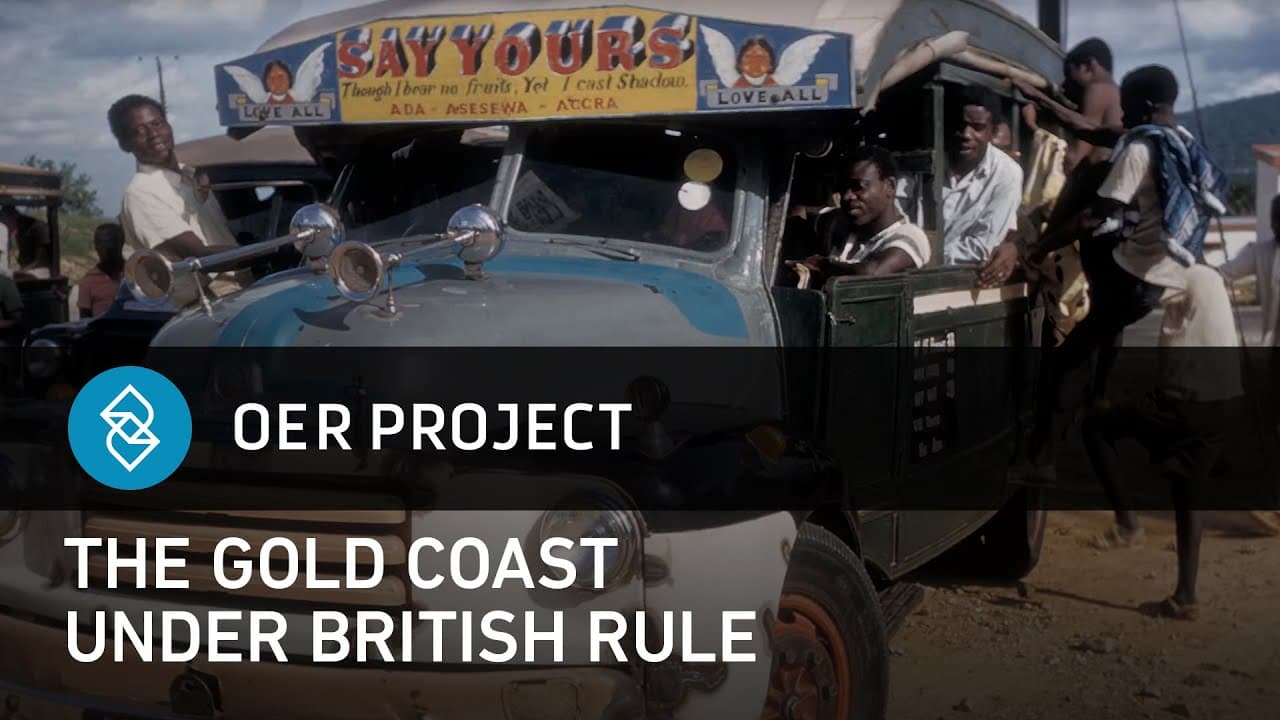
The impact of British colonization in Ghana was characterized by local resistance and adaptation to colonial control. Ghanaians diverted imports and created their own transportation systems, such as lorries and 'pirate taxis,' to maintain control over trade and circumvent British railways. This dynamic reflects a balance between colonial authority and local agency.
Transcript
(Ghanaian music playing) Hello, my name is Trevor Getz. I'm a professor of African history at San Francisco State University, and I'm here in Ghana, in West Africa, to talk to two historians, Ato Quayson and Jennifer Hart, about colonialism. Before 1874, this entire region was made up of independent states and self-ruling communities. Then, in that... Read More
Key Insights
- 🏛️ Colonial control: Colonialism was primarily about control, with the colonial authorities having power over what happens and how things operate. This control was implemented through systems like the Customs House, where taxes on imported goods were collected, and the centralized bus and railway systems imposed by the British colonial administration.
- 🚢 Resistance and adaptation: Local people found ways to resist and adapt to colonial control. For example, Ghanaian canoe men would sometimes drop crates of goods into the sea and retrieve them at night, effectively diverting them for their own benefit. Ghanaians also resisted using British railways, instead choosing to invest in lorries and utilize footpaths to transport goods.
- 🚧 Infrastructure development: The British colonial administration focused on building infrastructure such as the Customs House, railways, and centralized bus systems. However, these systems were not always seen as useful or suitable by Ghanaians, who developed their own transportation networks, like tro-tros, to meet their specific needs.
- ⛪ Segregation in churches: The Holy Trinity Anglican Church, built in 1894, exemplified the hierarchical nature of colonialism. The pews were segregated, with European colonial officers sitting in front and African members sitting behind them. African plaques were only added much later, reflecting the entrenched segregation within the church.
- 👥 Colonial enterprise: The colonial enterprise in Ghana extended beyond just governmental control. It permeated various aspects of society, including economic activities, transportation, and religious institutions. The church, for example, mirrored the hierarchical nature of colonial administration.
- 💪 Resistance as undermining authority: Resistance to colonial control, such as the use of pirate taxis and non-compliance with railway systems, was regarded by the British colonial powers as a threat to their authority. Such resistance was seen as undermining the established structures of control and dominance.
- 🌍 Comparing colonial experiences: Ghana's colonial experience showcases both the dominance of colonial control and the ability of Ghanaians to push back against it. This balance between control and resistance may offer insights into colonialism's global operation and its impacts in other parts of the world.
- 📚 Balance of colonial control: The overall picture of colonialism in Ghana highlights a delicate balance between the colonial administration's ability to exercise control and the agency of Ghanaians to resist, adapt, and assert their own interests. This balance suggests that colonial control was not absolute and that local populations played an active role in shaping their colonial experiences.
Install to Summarize YouTube Videos and Get Transcripts
Explore YouTube Video Summarizer or Get YouTube Transcript Extractor
Questions & Answers
Q: How did Ghanaians resist and adapt to British colonial control in the trade industry?
Ghanaians found ways to divert imported goods by dropping them into the sea and retrieving them at night. They also built their own lorries and developed a pirate taxi system to maintain control over their produce and maximize profits.
Q: What were some of the ways Ghanaians resisted British control in the transportation industry?
Ghanaians resisted the British-controlled railway system by using head carriers and footpaths to transport goods. They also invested in lorries and established their own transportation networks to directly reach markets and bypass the state-run system.
Q: How did Ghanaians challenge the British colonial hierarchy in churches?
Ghanaians resisted the segregation imposed by the colonial administration in churches by pushing for desegregation and contributing to the church to ultimately gain recognition and their own plaques.
Q: Did Ghanaians find a balance between colonial control and their ability to resist and adapt?
Yes, there was a balance between the colonial administration's control and the Ghanaians' ability to resist and adapt. While the British exerted control through taxes and transportation systems, Ghanaians found ways to divert goods and build their own systems, allowing them some autonomy.
Summary & Key Takeaways
-
Before 1874, Ghana was made up of independent states and self-ruling communities, but the British declared it the Gold Coast colony and exerted control over the region.
-
Ghanaians resisted colonial control by finding creative ways to divert imported goods and maximize profits in the trade industry.
-
They also built their own transportation systems, such as lorries and pirate taxis, to bypass the state-run railway system and maintain control over their produce.
Read in Other Languages (beta)
Share This Summary 📚
Summarize YouTube Videos and Get Video Transcripts with 1-Click
Try YouTube Summary with ChatGPT & Claude or YouTube Transcript Generator
Explore More Summaries from OER Project 📚


Summarize YouTube Videos and Get Video Transcripts with 1-Click
Try YouTube Summary with ChatGPT & Claude or YouTube Transcript Generator