How to Experiment Impactfully with AI
TL;DR
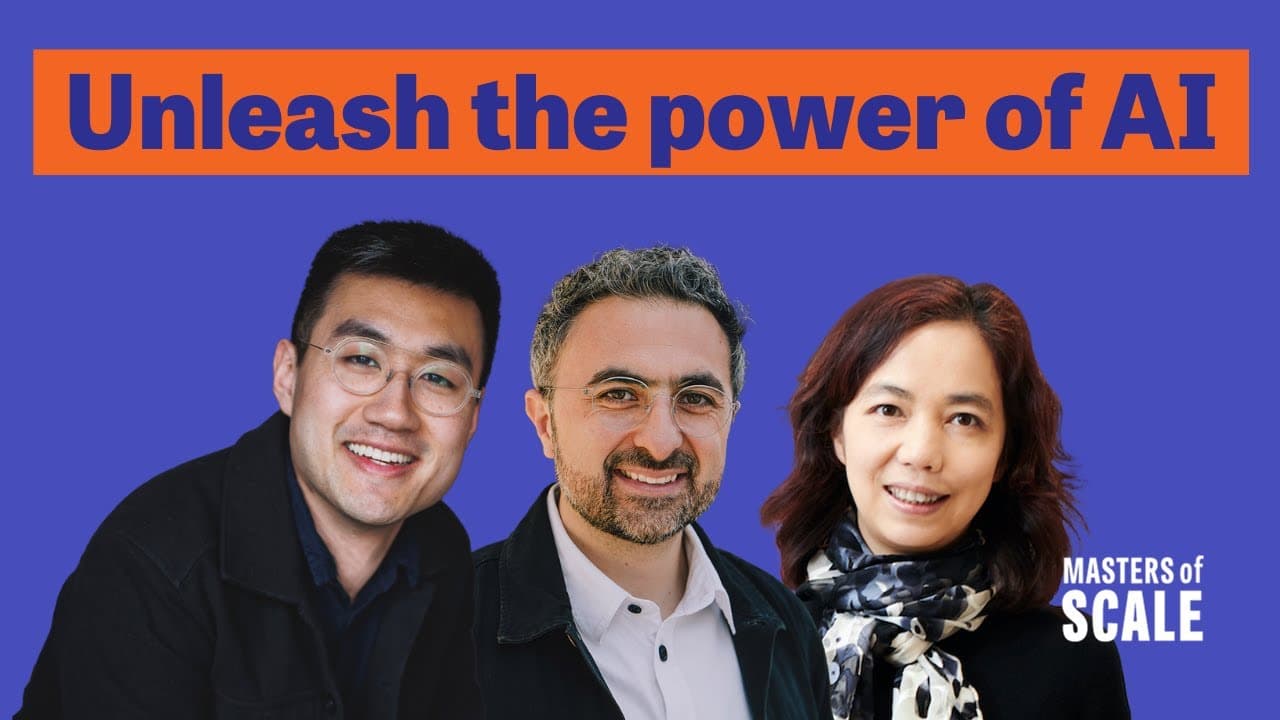
AI's true power is unlocked through ongoing experimentation. Leaders should explore AI by focusing on specific business areas, aligning teams, and maintaining an open mind. AI can enhance creativity and productivity, but it requires careful onboarding and collaboration. Embracing AI's potential involves understanding its limitations and preparing for discomfort as it reveals business weaknesses.
Transcript
on the final Thursday of every November many homes across the US burst with the sounds of a parade on the TV spirited family debates you want to talk politics let's talk politics and the squeak of an old oven door for some people preparation for the holiday begins months in advance while Traditions may stay the same the menu often evolves like what... Read More
Key Insights
- AI's true potential is unlocked through ongoing experimentation and not immediate implementation.
- Leaders should focus on specific business areas to effectively integrate AI.
- Aligning teams and setting clear expectations are crucial for AI adoption.
- AI should be onboarded like a new employee, starting with simple tasks and gradually increasing complexity.
- Human feedback is essential for improving AI models and achieving better results.
- Security and privacy concerns must be addressed when experimenting with AI.
- AI can reveal business limitations, prompting necessary changes and adaptations.
- The rapid evolution of AI technology demands a mindset open to innovation and learning from mistakes.
Install to Summarize YouTube Videos and Get Transcripts
Explore YouTube Video Summarizer or Get YouTube Transcript Extractor
Questions & Answers
Q: How can AI be effectively integrated into a business?
AI can be effectively integrated into a business by focusing on specific areas where it can address pain points or enhance processes. Leaders should align their teams, set clear expectations, and onboard AI gradually, starting with simple tasks. Continuous experimentation and collaboration with AI are crucial for achieving desired outcomes.
Q: What is the importance of human feedback in AI experimentation?
Human feedback is essential in AI experimentation as it helps improve AI models and achieve better results. By interacting with AI and providing targeted feedback, users can enhance the model's performance and adaptability. This collaborative approach ensures that AI tools become more effective over time, aligning with business needs.
Q: What are the security concerns when experimenting with AI?
Security concerns in AI experimentation include data privacy and protection. Users must understand their relationship with AI developers, especially when uploading sensitive information like customer or medical data. Ensuring that AI tools are used within secure environments is essential to prevent unauthorized access and data breaches.
Q: How can AI reveal business limitations?
AI can reveal business limitations by highlighting inefficiencies or areas for improvement. As AI tools analyze data and processes, they may uncover weaknesses or bottlenecks that require attention. This can prompt leaders to make necessary changes, adapt strategies, and embrace innovation to enhance overall business performance.
Q: Why is it important to maintain an open mind when implementing AI?
Maintaining an open mind when implementing AI is important because it allows leaders to embrace new ideas and innovations. AI technology evolves rapidly, and being open to change enables businesses to adapt and leverage AI's full potential. This mindset fosters creativity, collaboration, and continuous improvement in business processes.
Q: What is the role of experimentation in unlocking AI's potential?
Experimentation plays a crucial role in unlocking AI's potential by allowing businesses to explore different applications and strategies. Through trial and error, leaders can identify what works best for their specific needs, refine AI tools, and discover new ways to enhance productivity and efficiency. Experimentation fosters learning and adaptation.
Q: How should AI be onboarded into a business?
AI should be onboarded into a business like a new employee, starting with simple tasks and gradually increasing complexity. Leaders should monitor AI's performance, provide feedback, and adjust responsibilities as AI proves its capabilities. This approach builds trust and ensures that AI tools are effectively integrated into business processes.
Q: What mindset is required for successful AI integration?
A mindset open to innovation, learning, and adaptation is required for successful AI integration. Leaders should embrace experimentation, be prepared for discomfort, and accept that mistakes may occur. By focusing on continuous improvement and collaboration, businesses can effectively harness AI's potential to drive creativity and productivity.
Summary & Key Takeaways
-
AI's potential is realized through continuous experimentation. Leaders should focus on specific business areas where AI can make a difference, aligning teams and setting clear expectations. AI's onboarding should be gradual, starting with simple tasks and increasing complexity over time.
-
Human feedback is vital for improving AI models, and leaders must address security and privacy concerns during experimentation. AI can reveal business limitations, prompting necessary changes and adaptations. Embracing AI requires a mindset open to innovation and learning from mistakes.
-
The rapid evolution of AI technology demands leaders to be prepared for discomfort as AI reveals business weaknesses. By maintaining an open mind and focusing on specific areas, AI can enhance creativity and productivity, leading to significant improvements in business processes.
Read in Other Languages (beta)
Share This Summary 📚
Summarize YouTube Videos and Get Video Transcripts with 1-Click
Try YouTube Summary with ChatGPT & Claude or YouTube Transcript Generator
Explore More Summaries from Masters of Scale 📚

Summarize YouTube Videos and Get Video Transcripts with 1-Click
Try YouTube Summary with ChatGPT & Claude or YouTube Transcript Generator