Emergency Fund: How Much You Need In Your 20s (Hint: It's Different)
TL;DR
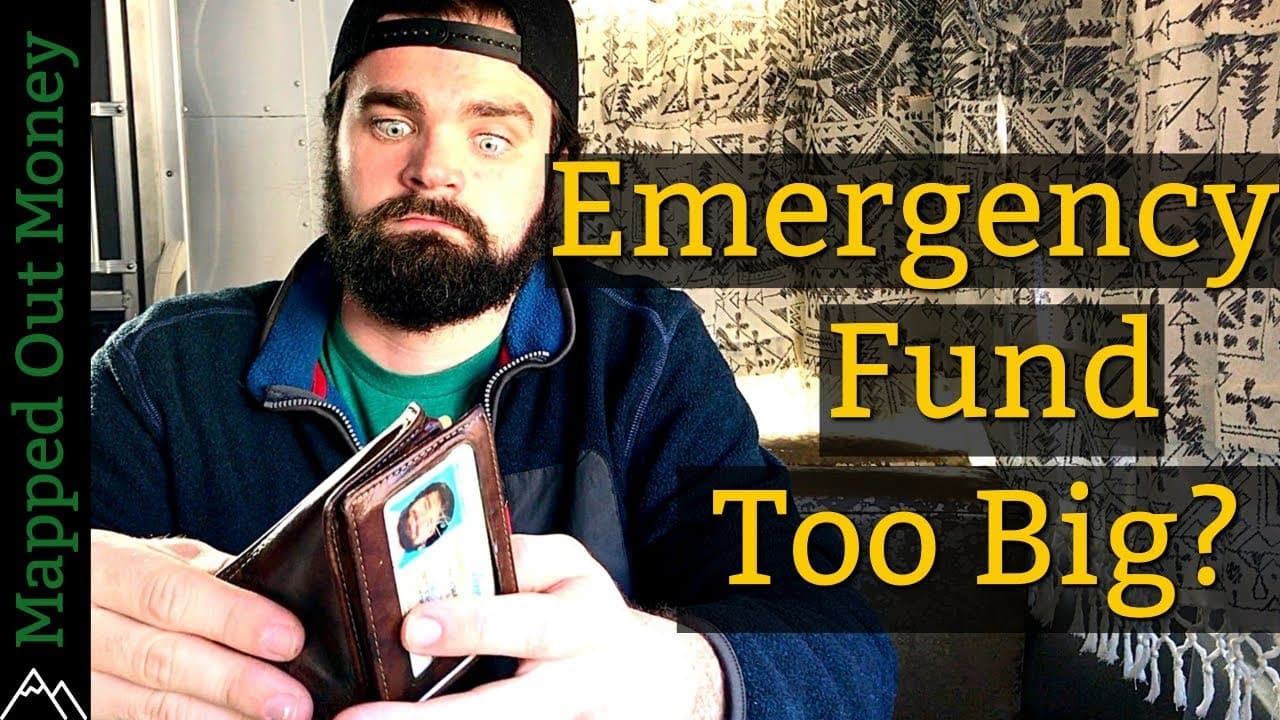
The amount of money you need to save in your emergency fund depends on your individual situation and comfort level.
Transcript
what's up guys Nick Tru here and today I'm gonna answer a question that I get all the time for my twenty-something friends how much money do we need to be saving inside that emergency fund well surprise surprise the answer is totally different for you than it is for your parents because who knew that being young in 2017 is totally different than be... Read More
Key Insights
- 😘 Personal finance advice differs for those in their twenties compared to older individuals due to factors such as student loan debt, lower incomes, and fewer responsibilities.
- 🚨 The typical rule of saving three to six months of living expenses in an emergency fund may not be attainable for everyone.
- 👻 Younger individuals have the advantage of lower expenses, more time to work, and less financial responsibility, allowing them to prioritize paying off debt and investing for the future.
- 🥅 The goal of reaching $1,000 in savings provides a psychological boost and covers most unexpected expenses.
- 🧑🏭 The next steps in saving for an emergency fund depend on factors such as job stability, monthly expenses, and personal comfort level.
- 🌥️ For those with a stable job or large income, aggressively paying off debt may be a better option.
- 🈷️ Individuals with less job stability or tight monthly finances should save one to two months' worth of living expenses before focusing on debt repayment.
Install to Summarize YouTube Videos and Get Transcripts
Explore YouTube Video Summarizer or Get YouTube Transcript Extractor
Questions & Answers
Q: Why is there no one-size-fits-all answer to how much money to save in an emergency fund?
Personal finance is personal, and what works for one person may not work for another. Factors such as income, debt, job stability, and comfort level play a role in determining the ideal amount to save.
Q: Is it necessary to save six months' worth of living expenses?
While it is often recommended, it may not be feasible for those with lower incomes and significant debt. It is more important to focus on paying off high-interest debt, and a smaller emergency fund can be sufficient for someone in their twenties.
Q: What should be the first goal when saving for an emergency fund?
Starting with $1,000 is crucial as it covers most unexpected expenses and provides a sense of security. It allows individuals to handle unforeseen car breakdowns or other emergency expenses without going into debt.
Q: How should individuals approach saving for an emergency fund when they have large student loan debt?
If the student loan debt is extensive compared to the income, it may be wise to save more than $1,000. Building a few months' worth of living expenses can prevent relying on credit cards or loans during unemployment or emergencies.
Summary & Key Takeaways
-
The typical rule of thumb suggests saving three to six months of living expenses in an emergency fund, but this may not work for everyone, especially those in their twenties with student loan debt and lower incomes.
-
Starting with a goal of reaching $1,000 in savings is important, as it covers most unexpected expenses and provides a psychological boost.
-
The next step with your emergency fund depends on your job stability and monthly expenses. Some may choose to aggressively pay off debt, while others may save one to two months' worth of living expenses.
Read in Other Languages (beta)
Share This Summary 📚
Summarize YouTube Videos and Get Video Transcripts with 1-Click
Try YouTube Summary with ChatGPT & Claude or YouTube Transcript Generator
Explore More Summaries from Nick True - MappedOutMoney 📚






Summarize YouTube Videos and Get Video Transcripts with 1-Click
Try YouTube Summary with ChatGPT & Claude or YouTube Transcript Generator