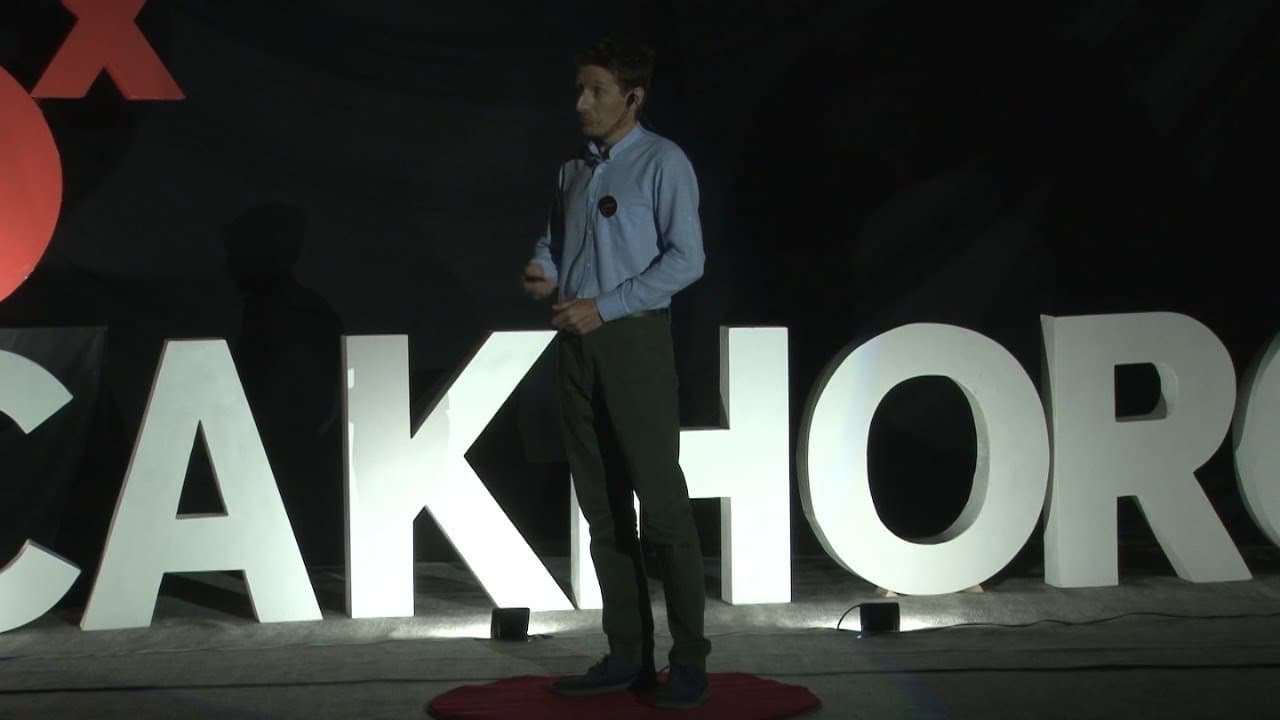
Embracing Simplicity: The Revival of Passive Energy Solutions | Kris Lizak | TEDxUCAKhorog
TL;DR
Discover the benefits of passive energy solutions, such as low-energy consumption houses and natural resource harnessing, for a more resilient and sustainable society.
Transcript
[Applause] my adventure with Energy Solutions didn't start with university studies because I'm not an engineer it didn't start with some inspired Ted talk either it simply began with the birth of my daughter when she was born we decided to quit the city and rented an old wooden house in polished mountains by the forest local people living in their ... Read More
Key Insights
- 🎨 The speaker's journey highlights the importance of minimizing dependence on external systems and embracing smart, energy-efficient designs.
- ℹ️ Passive energy solutions offer cost-effective, durable, and locally-sourced alternatives to complex technologies.
- 🖐️ Cultural factors and affordability play a significant role in the adoption of energy solutions.
- 💨 Renewable energy sources like solar, wind, and biomass can be harnessed efficiently with the right design and consideration of local resources.
- 👪 Building homes and structures with proper insulation and orientation can significantly reduce energy consumption.
- ✊ Ancient designs and sustainable practices should be revisited to harness the power of nature and promote resilience.
- 🌱 Bioclimatic cellars and root zone wastewater filtration plants are examples of passive energy solutions with multiple benefits.
Install to Summarize YouTube Videos and Get Transcripts
Explore YouTube Video Summarizer or Get YouTube Transcript Extractor
Questions & Answers
Q: How did the speaker's move to a remote wooden house in the mountains lead to their involvement in managing energy-efficient projects?
The speaker's decision to live in a remote wooden house highlighted the need for energy efficiency and resilience. This experience prompted them to manage projects that bring energy-efficient solutions to people.
Q: What is the difference between passive and active energy solutions?
Passive energy solutions focus on simple, low-tech designs that rely on locally available resources, while active energy solutions harness advanced technology to optimize available natural resources. Passive solutions are often cheaper and more durable.
Q: How did the speaker's experience with building a straw bale house influence their career?
The speaker's experiment with building a straw bale house led them to become a respected carpenter in the village. This experience showcased the benefits of sustainable building materials and efficient design, leading to job offers in the field.
Q: Why is it important to consider cultural factors when promoting energy solutions?
Cultural factors play a significant role in the adoption of energy solutions. While the concept of passive solar verandas was successfully replicated in Afghanistan, in Tajikistan, people preferred more modern, costly structures. Understanding cultural preferences and affordability is crucial for widespread adoption.
Summary & Key Takeaways
-
The speaker's journey with energy solutions started when they moved to a remote wooden house in the mountains, leading them to manage projects for energy-efficient solutions.
-
They experienced the importance of resilience and minimizing dependence on external systems during a cold winter that caused power outages for their neighbors.
-
The content discusses the difference between passive and active energy solutions, emphasizing the importance of considering affordability and local resources.
Read in Other Languages (beta)
Share This Summary 📚
Summarize YouTube Videos and Get Video Transcripts with 1-Click
Try YouTube Summary with ChatGPT & Claude or YouTube Transcript Generator
Explore More Summaries from TEDx Talks 📚
Summarize YouTube Videos and Get Video Transcripts with 1-Click
Try YouTube Summary with ChatGPT & Claude or YouTube Transcript Generator