Randomized Algorithms | Richard Karp and Lex Fridman
TL;DR
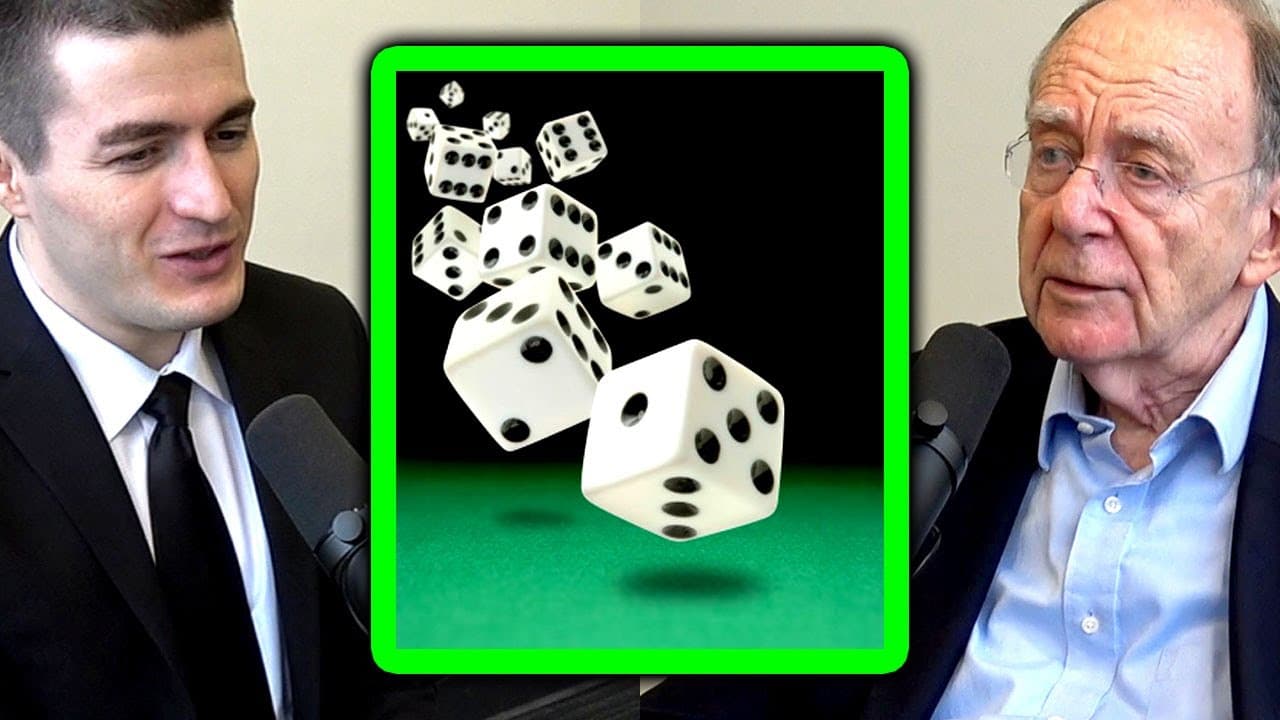
Randomized algorithms utilize randomness to optimize computational processes and solve problems efficiently.
Transcript
so you've also have developed yourself some elegant beautiful algorithms again picking your children so the the the robin carp algorithm for string searching pattern matching admin carp algorithm for max flows we mentioned hop craft carbon algorithm for finding maximum cardinality matchings and bipartite graphs is there ones that stand out to you a... Read More
Key Insights
- ✊ The Ravencarp algorithm showcases the power of randomization in improving the efficiency of string matching and pattern recognition.
- ❓ Randomized algorithms enable simpler approaches to problem-solving by incorporating randomness into the computational process.
- 🏆 Randomness can be beneficial in various fields, from conducting elections to testing for prime numbers and solving algebraic identities.
- 🔄 Randomized algorithms provide robust statistical estimates and can efficiently count solutions or identify occurrences.
- ❓ By utilizing randomness, algorithms can exploit the likelihood of occurrence in optimizing computational processes.
- 🔄 Random sampling and correction techniques can provide accurate estimations for counting solutions or identifying occurrences.
- ❓ Random choice and disagreement can efficiently solve complex problems with multiple possibilities.
Install to Summarize YouTube Videos and Get Transcripts
Explore YouTube Video Summarizer or Get YouTube Transcript Extractor
Questions & Answers
Q: What is the Ravencarp algorithm?
The Ravencarp algorithm is a randomized algorithm that uses a fingerprinting technique to determine if a specific word occurs within a longer word. It associates a random prime number and computes a fingerprint for each word, enabling efficient string matching.
Q: What is a randomized algorithm?
A randomized algorithm is a computational process that incorporates randomness, either by drawing random numbers or associating randomness with objects or sets. It allows for the utilization of simple and efficient approaches to solve complex problems.
Q: How can randomness be used in conducting elections?
Randomness can be employed in conducting elections by drawing a random sample from the voters and selecting the most popular candidate within that sample. Although not practical in real-world scenarios, it demonstrates how random picking could provide a low probability of error in choosing the winner.
Q: How does randomness aid in testing for prime numbers?
To test for primality, one can apply Fermat's little theorem, which involves raising a number to a power modulo the number. If the result is equal to the original number, it suggests primality. Randomness helps quickly identify non-prime numbers through violations of this theorem.
Summary & Key Takeaways
-
The Ravencarp algorithm utilizes randomization to determine if a given word occurs within a longer word, improving the efficiency of string matching.
-
Randomized algorithms involve the ability to draw random numbers or associate randomness with objects or sets.
-
Randomness can be used in various ways, such as conducting elections, testing for prime numbers, and counting solutions in propositional logic.
Read in Other Languages (beta)
Share This Summary 📚
Summarize YouTube Videos and Get Video Transcripts with 1-Click
Try YouTube Summary with ChatGPT & Claude or YouTube Transcript Generator
Explore More Summaries from Lex Clips 📚



Summarize YouTube Videos and Get Video Transcripts with 1-Click
Try YouTube Summary with ChatGPT & Claude or YouTube Transcript Generator