Where Does Freedom of Speech End?
TL;DR
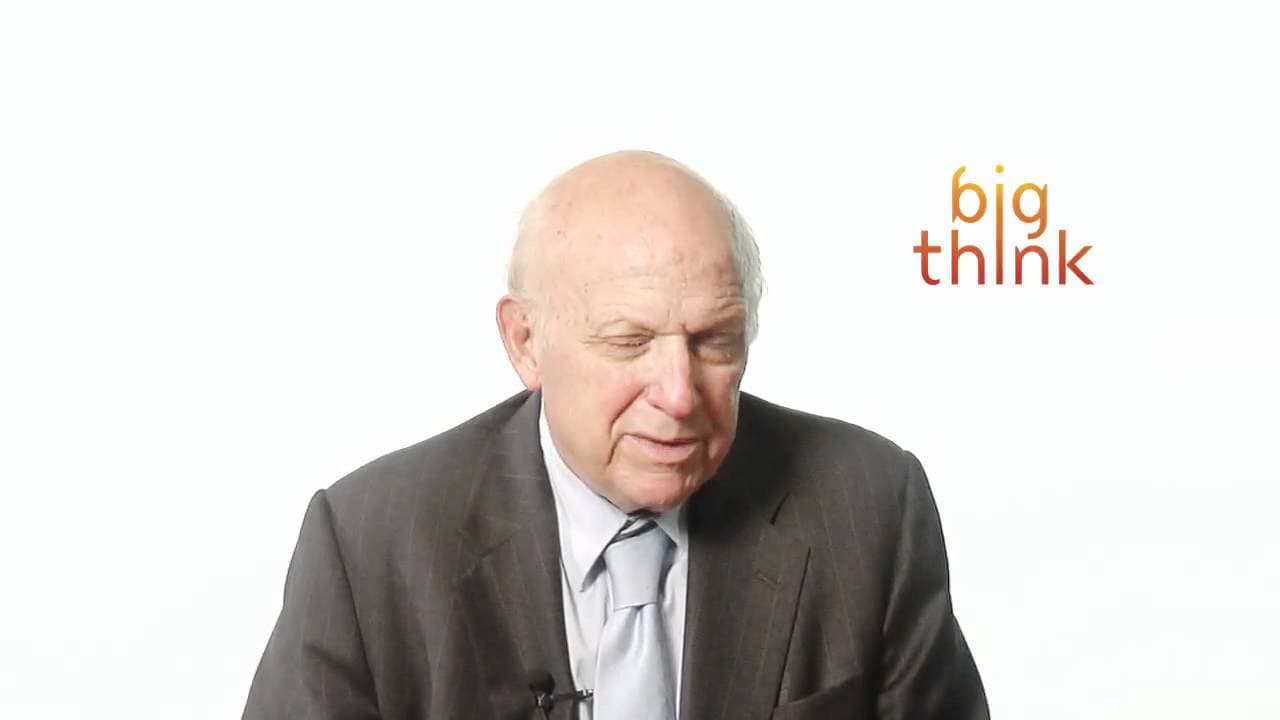
The content discusses the boundaries of freedom of speech and the press, including legal protections and the impact of partisan media.
Transcript
there have always been uh boundaries uh on freedom of speech and of the press uh at different times they've been interpreted more or less uh strictly I mean we've always had Lial law for example um people have always been able to Sue when uh false things were said about them which hared them um however in 1964 the Supreme Court in one of its greate... Read More
Key Insights
- 😑 The 1964 Supreme Court decision in New York Times v. Sullivan expanded the protections for freedom of speech and the press, particularly for public figures.
- 😯 National security concerns have given the government power to impose prior restraints on speech in cases that pose a direct threat to the country.
- 🥺 The media landscape has become increasingly partisan, particularly on cable television and the internet, leading to concerns about biased reporting.
Install to Summarize YouTube Videos and Get Transcripts
Explore YouTube Video Summarizer or Get YouTube Transcript Extractor
Questions & Answers
Q: How did the Supreme Court expand the protection of freedom of speech in New York Times v. Sullivan?
In 1964, the Supreme Court ruled that libel suits against public figures require proving that false statements were made with knowledge of their falsity or with reckless disregard for the truth. This decision aimed to protect freedom of speech.
Q: What limits can be imposed on freedom of speech in matters of national security?
In cases involving national security, the government can seek prior restraints and injunctions on speech that would pose an imminent threat to the safety of the country. This is particularly relevant when publishing details about building atomic weapons.
Q: How has the media landscape changed in terms of impartiality?
The media has become more partisan, especially with the advent of cable television and the internet. This has led to news organizations defining what is news and what is true based on political and ideological views, resulting in a departure from journalistic impartiality.
Q: What concerns arise from the increasing partisanship in media consumption?
The concern is that people now have the ability to only consume news and views that align with their own beliefs, leading to a reinforcement of pre-existing views and a lack of exposure to differing perspectives. This can hinder the learning process and contribute to the spread of misinformation.
Summary & Key Takeaways
-
The Supreme Court's 1964 decision in New York Times v. Sullivan expanded the definition of libel for public figures.
-
In cases involving national security, the government has been able to impose prior restraints on speech deemed to endanger the country.
-
The media landscape has become more partisan, particularly with the rise of cable television and the internet, leading to concerns about impartiality and the spread of accurate information.
Read in Other Languages (beta)
Share This Summary 📚
Summarize YouTube Videos and Get Video Transcripts with 1-Click
Try YouTube Summary with ChatGPT & Claude or YouTube Transcript Generator
Explore More Summaries from Big Think 📚

Summarize YouTube Videos and Get Video Transcripts with 1-Click
Try YouTube Summary with ChatGPT & Claude or YouTube Transcript Generator