Why do Some Species Thrive in Cities?
TL;DR
Urban environments pose challenges to wildlife, but some species have adapted and evolved to thrive in cities.
Transcript
Since the mid-1800’s, Adelaide’s mammal diversity has fallen by more than a quarter, New York City has lost nearly half of its native plants, and at least 25 species of butterflies have disappeared from Rome. Our concrete jungles can be hard on wildlife, but there are plants and animals that survive – even thrive – in them. Some lucky species hap... Read More
Key Insights
- 🥺 Urban environments can be challenging for wildlife, leading to declines in species diversity.
- 👨🎤 Certain species, like English ivy and rock pigeons, are naturally suited for urban habitats.
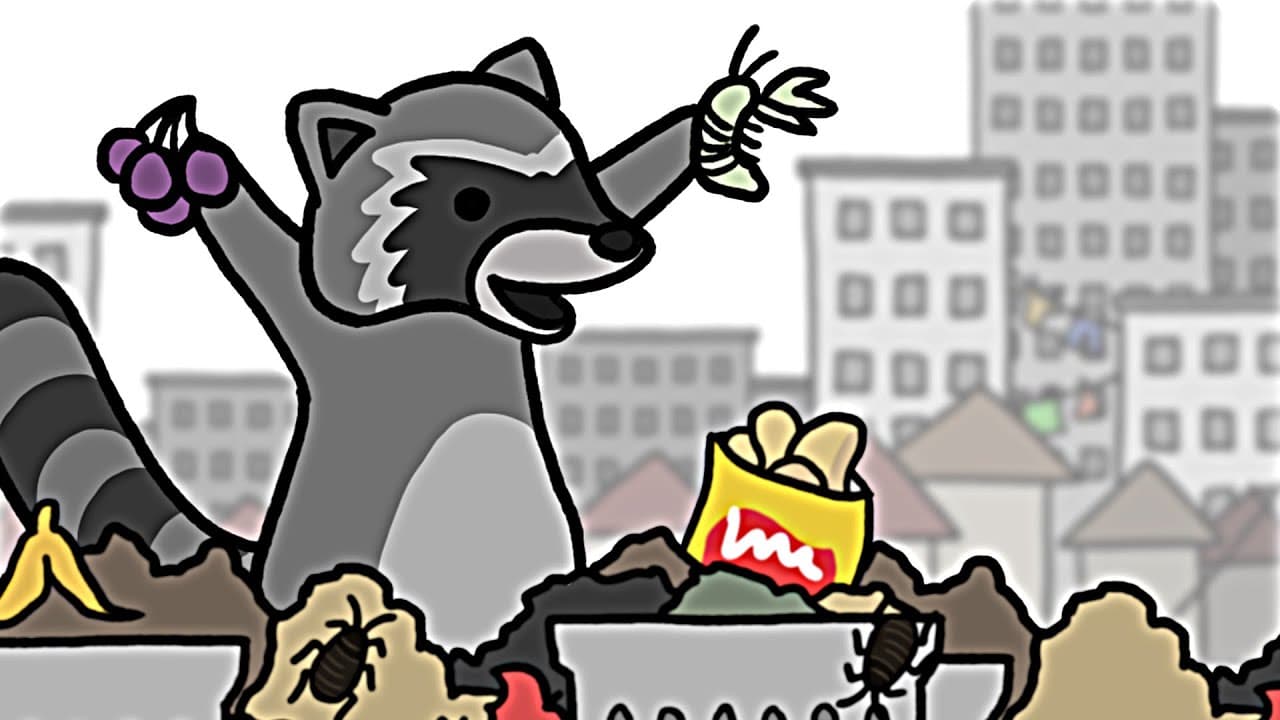
- 🦝 Raccoons and coyotes adjust their behavior to thrive in cities, becoming more nocturnal to minimize encounters with humans.
- 🇻🇦 Urban populations can evolve genetically to better adapt to city conditions, such as with white-footed mice in New York City.
- 🙈 Rapid genetic changes can occur in response to specific challenges, as seen with tomcod developing a protective mutation against toxins.
Install to Summarize YouTube Videos and Get Transcripts
Explore YouTube Video Summarizer or Get YouTube Transcript Extractor
Questions & Answers
Q: How have species like English ivy and rock pigeons adapted to urban environments?
English ivy and rock pigeons are well-suited for cities because they naturally climb and roost on vertical structures like trees and cliffs. Brick walls and ledges serve as suitable substitutes for them.
Q: How do raccoons cope with living in cities?
Raccoons thrive in cities due to their omnivorous diet, which includes readily available food sources like corn chips and cockroaches. This abundant food supply enables them to live in higher densities than in woodland habitats.
Q: How do urban-dwelling white-footed mice differ from their rural counterparts?
DNA sequencing has revealed that urban white-footed mice have genetic differences in over 30 significant ways compared to their rural counterparts. These genetic changes are likely related to fighting disease and processing toxins, helping them survive in crowded urban landscapes.
Q: How quickly can species adapt to new challenges posed by urbanization?
Evolution can occur more rapidly when a sudden challenge arises, and individuals with uncommon traits that help them cope may become the norm. For example, after toxic PCBs were dumped into the Hudson River, local tomcod evolved a protective mutation in just six decades.
Summary & Key Takeaways
-
Urban areas have seen a decline in mammal diversity and native plants, but some plants and animals have successfully adapted to city environments.
-
Species like English ivy and rock pigeons already possess traits that make them well-suited for urban habitats.
-
Raccoons and coyotes have adapted their behavior to thrive in cities, and genetic changes have been observed in urban-dwelling white-footed mice.
Read in Other Languages (beta)
Share This Summary 📚
Summarize YouTube Videos and Get Video Transcripts with 1-Click
Try YouTube Summary with ChatGPT & Claude or YouTube Transcript Generator
Explore More Summaries from MinuteEarth 📚





Summarize YouTube Videos and Get Video Transcripts with 1-Click
Try YouTube Summary with ChatGPT & Claude or YouTube Transcript Generator