How Are Stock Prices Determined? | Phil Town
TL;DR
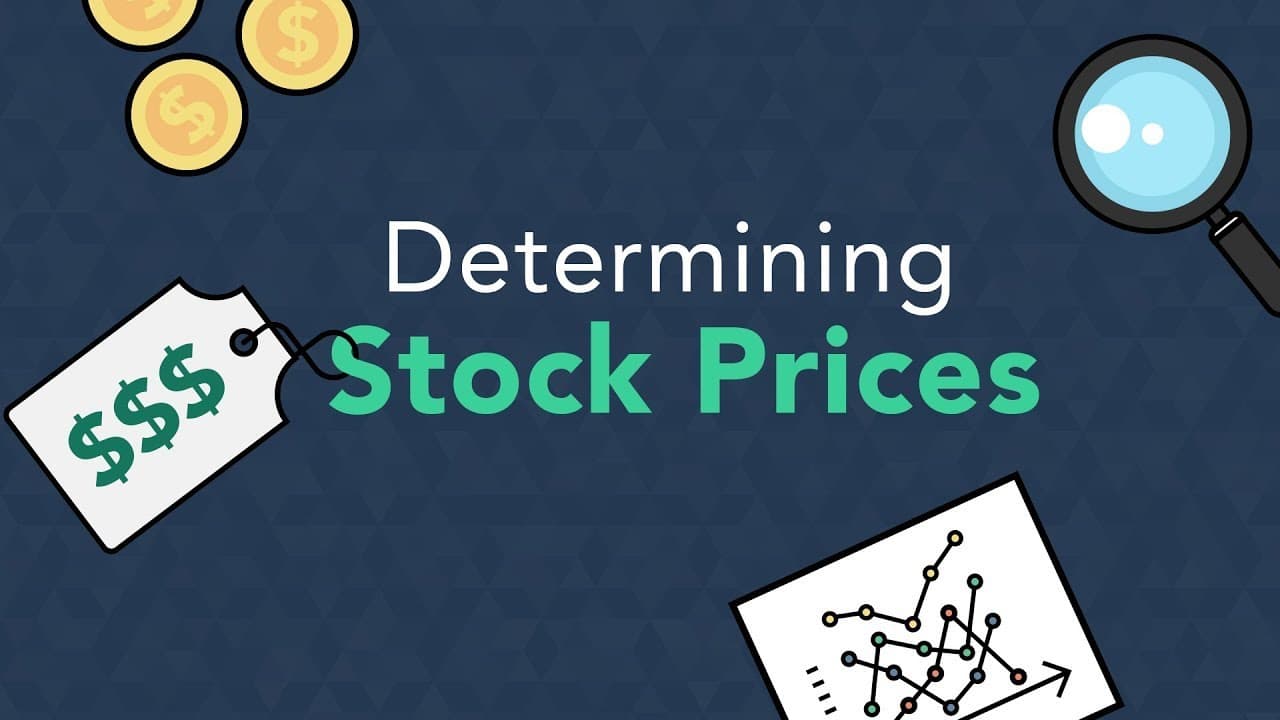
Stock prices are determined initially through an IPO pricing process, then by supply and demand shaped by cash flow expectations, risk, momentum, greed, fear and market events. Phil Town explains that IPO interest can push an indicated price above $25 or cause the offering to be lowered or canceled. Read on to understand why market prices can separate from long-term business value.
Transcript
hi guys i'm phil town from real one investing and today i want to talk to you about how stock prices are determined in the stock market well if you're new to investing the way stock prices are figured out how they end up in the stock market at a certain price may seem a little bit of a mystery right they go up they go down people make money people ... Read More
Key Insights
- Road shows discover demand: An investment bank and the company’s management travel quickly around the country and consult brokers about the price investors may accept. The IPO price is therefore tested through market feedback before shares appear in public trading, rather than being selected without evidence of buyer interest.
- Size affects public eligibility: An investment bank evaluates both whether a company possesses qualities valued by the public market and whether it has enough value to justify becoming a public stock. Town says the business must be big enough, otherwise taking it public is difficult.
- Pre-selling can change plans: A proposed $25 share price is not necessarily final. Brokers ask prospective buyers whether they are interested at that level. Strong interest can raise the offering price above $25, while insufficient interest can produce a lower price or lead to cancellation of the IPO.
- Primary and secondary money differ: The first pool of money from investors who agreed to purchase at the IPO goes to the company. After the shares begin trading in the secondary market, the company does not receive the money exchanged in those transactions between market participants.
- Market price still matters: Although secondary-market trades do not directly provide cash to the business, the resulting share price affects its future choices. Management watches the price because it influences employee stock-option rewards, later stock sales, access to cash for growth and borrowing from banks.
- Supply and demand set trades: Town describes supply and demand as the general mechanism determining a publicly traded stock’s price. That mechanism is affected by several forces, including the business’s net income, free cash flow, investors’ estimates of future cash production and their assessment of risk.
- Cash flow anchors value: A stock should ultimately be priced according to the cash it is expected to produce over time. Investors translate that future stream into a present value by applying a discount rate that reflects the risk involved in owning the stock.
- Risk changes acceptable prices: Expected cash alone does not determine what an investor should pay. In Town’s example, the investment may produce $1 million across 15 or 20 years, but its current price depends on the possibility that the investor will not actually receive that money.
- Rising prices recruit buyers: When a stock develops a reputation for repeatedly going up, additional investors buy because other people are already buying. Town calls this momentum investing and says much of the market prices stocks this way after public trading has begun.
- Disappointment reverses momentum: Momentum can turn against a stock when the company fails to meet expectations, including expectations for quarterly earnings or statements made to the public. Fear encourages selling, the falling price reinforces that reaction and the stock experiences what Town calls anti-momentum or a countercyclical move.
- Events create price gaps: A frightening event can drive investors out even when the event offers no good long-term reason for a lower valuation. Town mentions a well bursting in the Gulf of Mexico and a revolution affecting cotton prices and frightening T-shirt companies as examples of event-driven pressure.
- Patience supports opportunity: Town’s approach is to wait for fear to push the shares of a great company down. The investor is not merely reacting to a cheaper quote, but looking for a decline caused by short-term fear that does not justify the lower price over the long term.
Install to Summarize YouTube Videos and Get Transcripts
Explore YouTube Video Summarizer or Get YouTube Transcript Extractor
Questions & Answers
Q: How are stock prices determined?
A stock’s first public price is developed during an IPO, when an investment bank, company management and brokers test what buyers may pay. After the IPO, trading in the secondary market determines the price through supply and demand. Net income, free cash flow, expected future cash, risk, momentum and market events all affect that demand. Greed can pull prices upward, while fear and selling can drive them down.
Q: How is a stock price determined during an IPO?
An investment bank first evaluates whether the company has qualities valued in the public market and enough size to go public. The bank and management then conduct a road show and ask brokers what price the business may command. Brokers pre-sell the proposed shares to measure demand. Strong interest may raise the proposed price, while weak interest may lower it or cancel the IPO.
Q: What happens to investor money after an IPO?
Money from the investors who agree to buy shares in the IPO goes to the company. Once the company is public, its shares trade in the secondary market. The company does not receive the money exchanged during those later trades. Those transactions instead establish an evolving market price through buying and selling.
Q: Why does a company care about its stock price?
A company cares about its price even though it does not receive proceeds from ordinary secondary-market trades. The price affects how effectively stock options can reward employees. It also influences the company’s ability to sell more shares, raise cash for growth and borrow from banks. Management therefore has practical reasons to want the price to rise.
Q: How do future cash flows affect stock value?
Town says a stock should ultimately reflect the cash it will produce over time. Investors estimate that future cash and discount it back to a value today. The discount rate reflects the risk of owning the stock and not receiving the expected money. Greater uncertainty changes how much an investor is willing to pay now.
Q: How does momentum investing affect stock prices?
Momentum begins when a rising stock attracts investors partly because its price is already rising. More buying can then push the price higher and strengthen the stock’s reputation for going up. At that stage, trading may become less connected to ultimate cash flow. If expectations are missed, the same process can reverse as frightened investors sell.
Q: How do greed and fear move the stock market?
Town identifies greed and fear as the central emotional forces moving prices after a stock begins trading. Greed appears through momentum, as buyers pursue a stock that keeps rising. Fear appears when disappointing earnings, unmet expectations or alarming events prompt investors to exit. These reactions can move the quoted price away from the company’s long-term cash-based value.
Q: When can a falling stock become an opportunity?
A decline may become interesting when a frightening event drives down a great company for no sound long-term reason. Selling can still make sense to fearful holders in the short term, so the price may fall sharply. Town waits patiently for such events instead of following the crowd’s immediate reaction. His goal is to buy great companies when fear has put their shares on sale.
Summary & Key Takeaways
-
Establishing an IPO price: Before its shares can trade publicly, a company works with an investment bank such as Goldman Sachs or Morgan Stanley. The bank first determines whether the business has qualities valued by the public market and is large enough to become a public stock. During a fast road show, the management team visits brokers, asks what price the business could command and uses their responses to establish the proposed offering price.
-
Testing demand before trading: Brokers pre-sell the proposed IPO to measure investor interest before public trading begins. Phil Town illustrates the process with a possible price of $25 per share. Tremendous interest may justify raising that price, while weak interest can lead the bank and company to lower it or cancel the IPO. If the shares ultimately go public at $27, they then enter the secondary market, where public investors trade them with one another.
-
Connecting price to company options: Money from the initial group of IPO buyers goes to the company, but money exchanged in later public-market trading does not. Even so, management wants the stock price to rise. A stronger price affects the company’s capacity to reward employees through stock options, sell additional shares for cash, finance growth and borrow from banks. The secondary-market price therefore matters to corporate decisions even when individual trades do not fund the company directly.
-
Valuing future company cash: At a fundamental level, stock prices reflect supply and demand influenced by net income and free cash flow. Investors consider the total cash a stock may produce over time and discount that amount back to its value today. Town uses the example of $1 million in cash flow arriving across the next 15 or 20 years. The price an investor will pay depends on the risk that the expected money may never arrive.
-
Following greed and fear: Once trading begins, price changes can become driven by momentum rather than ultimate cash flow. A rising stock attracts buyers because it is rising, while missed quarterly earnings or unmet public expectations can frighten holders into selling. Town characterizes these forces as greed and fear. He looks for frightening events that push great companies down without damaging their long-term prospects, then waits patiently for opportunities to buy those companies when they are on sale.
Read in Other Languages (beta)
Share This Summary 📚
Summarize YouTube Videos and Get Video Transcripts with 1-Click
Try YouTube Summary with ChatGPT & Claude or YouTube Transcript Generator
Explore More Summaries from Rule #1 Investing 📚


Summarize YouTube Videos and Get Video Transcripts with 1-Click
Try YouTube Summary with ChatGPT & Claude or YouTube Transcript Generator