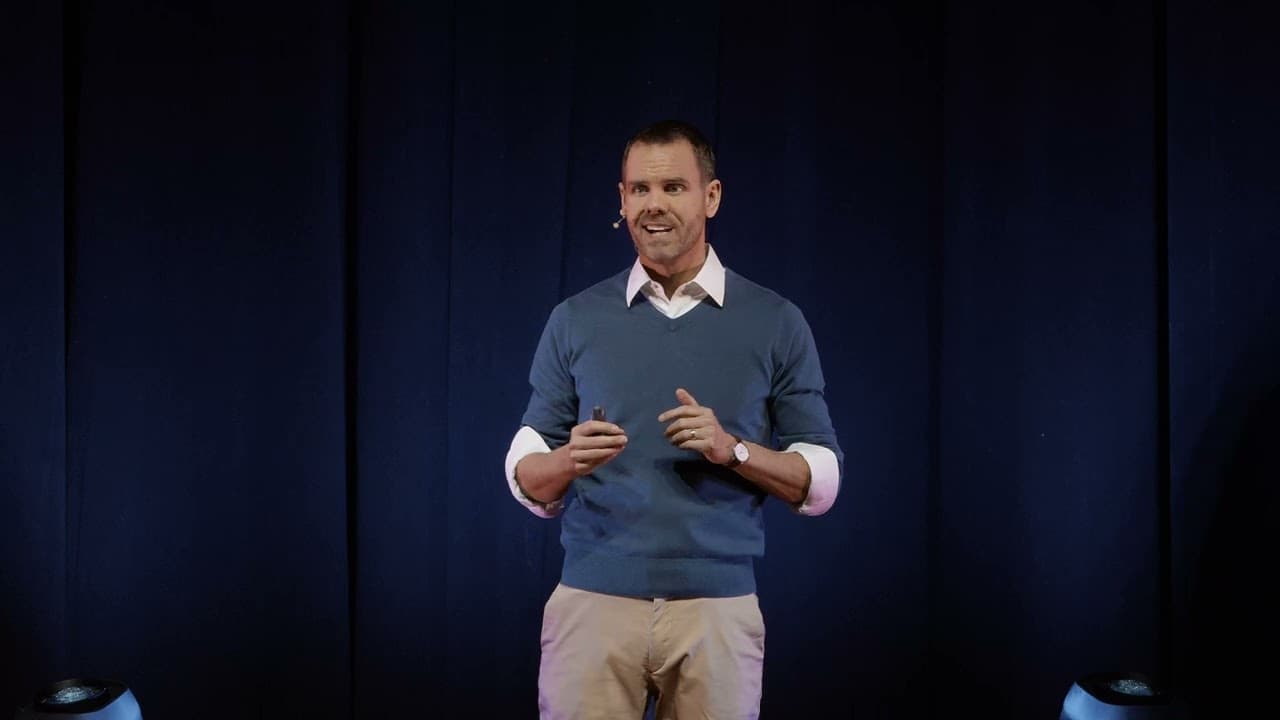
Why We Fight About Morality and Politics | Kurt Gray | TEDxReno
TL;DR
Our moral sense revolves around preventing harm and moral disagreements arise when different people perceive harm differently, highlighting the need to showcase personal vulnerability in conversations to foster understanding.
Transcript
[Applause] it's obvious that we disagree about morality and politics people are polarized about what's right and what's wrong but less obvious is why we disagree some argue that people with different politics have deeply different minds but this idea is wrong we all have the same moral mind and it revolves around harm I'm a social psychologist at t... Read More
Key Insights
- ☸️ Moral disagreements stem from differing perceptions of who is causing harm and who is being harmed.
- 😨 Our moral sense evolved to protect us from others, and this fear of harm still strongly influences our moral judgments.
- ❓ Progressives emphasize differences in vulnerability, while conservatives focus on shared vulnerability.
- 🌉 Sharing personal stories of harm can bridge political divides by fostering empathy and understanding.
- 🧑🏭 Personal stories are more effective than facts in starting civil conversations, as they appeal to emotions and experiences.
- ❓ Validating others' moral beliefs without compromising our own is crucial in promoting respectful discourse.
- 🤯 Recognizing that people on the other side have the same moral minds can lead to better understanding and less outrage.
Install to Summarize YouTube Videos and Get Transcripts
Explore YouTube Video Summarizer or Get YouTube Transcript Extractor
Questions & Answers
Q: Why do moral disagreements occur?
Moral disagreements arise when there is a disagreement about who is perpetrating harm and who is the victim. People have different perceptions of who is causing harm and who is being harmed.
Q: How do perceptions of vulnerability differ among political ideologies?
Progressives tend to amplify differences in vulnerability, seeing oppressed groups and the environment as especially vulnerable. Conservatives, on the other hand, tend to dampen these differences, viewing all groups as relatively equal in terms of vulnerability.
Q: How can we bridge political divides?
Showcasing personal vulnerability through sharing personal stories of harm is an effective way to bridge political divides. Personal stories generate empathy and foster respect, helping individuals understand each other's motivations and create a conducive environment for civil conversations.
Q: Why are personal stories more effective than facts in bridging divides?
Personal stories feel truer than facts in today's era of fake news. Stories create a connection by appealing to emotions and experiences, making conversations more rational and respectful.
Summary & Key Takeaways
-
Our moral sense is the same across individuals, centered around preventing harm.
-
Moral disagreements occur when there is a disagreement about who is causing harm and who is being harmed.
-
Perceptions of vulnerability differ among political ideologies, with progressives emphasizing differences and conservatives focusing on shared vulnerability.
Read in Other Languages (beta)
Share This Summary 📚
Summarize YouTube Videos and Get Video Transcripts with 1-Click
Try YouTube Summary with ChatGPT & Claude or YouTube Transcript Generator
Explore More Summaries from TEDx Talks 📚
Summarize YouTube Videos and Get Video Transcripts with 1-Click
Try YouTube Summary with ChatGPT & Claude or YouTube Transcript Generator