Sharks 101 | National Geographic
TL;DR
Sharks are ancient and majestic creatures, with the largest fish being the whale shark and the largest shark that ever existed being the megalodon. Sharks have unique characteristics such as constantly growing and replacing teeth, incredible speed, and the ability to give birth to live young.
Transcript
(ominous music) - [Narrator] They glide through the water with unmistakable grace, remnants of an ancient past, they dive and they rise from the ocean's murky depths to it's sun-kissed shallows, rousing fear and awe like no other creature in the sea. The world's biggest living fish is a shark. Of the estimated 34,000 species of fish, the largest ar... Read More
Key Insights
- 😋 The whale shark is the largest fish in the world, growing up to 40 feet long and weighing 15 tons.
- 🦈 The megalodon, a prehistoric shark, was even larger than the whale shark, reaching lengths of 80 feet and weighing 70 tons.
- 🦷 Sharks have a unique teeth structure, constantly growing and replacing teeth throughout their lives.
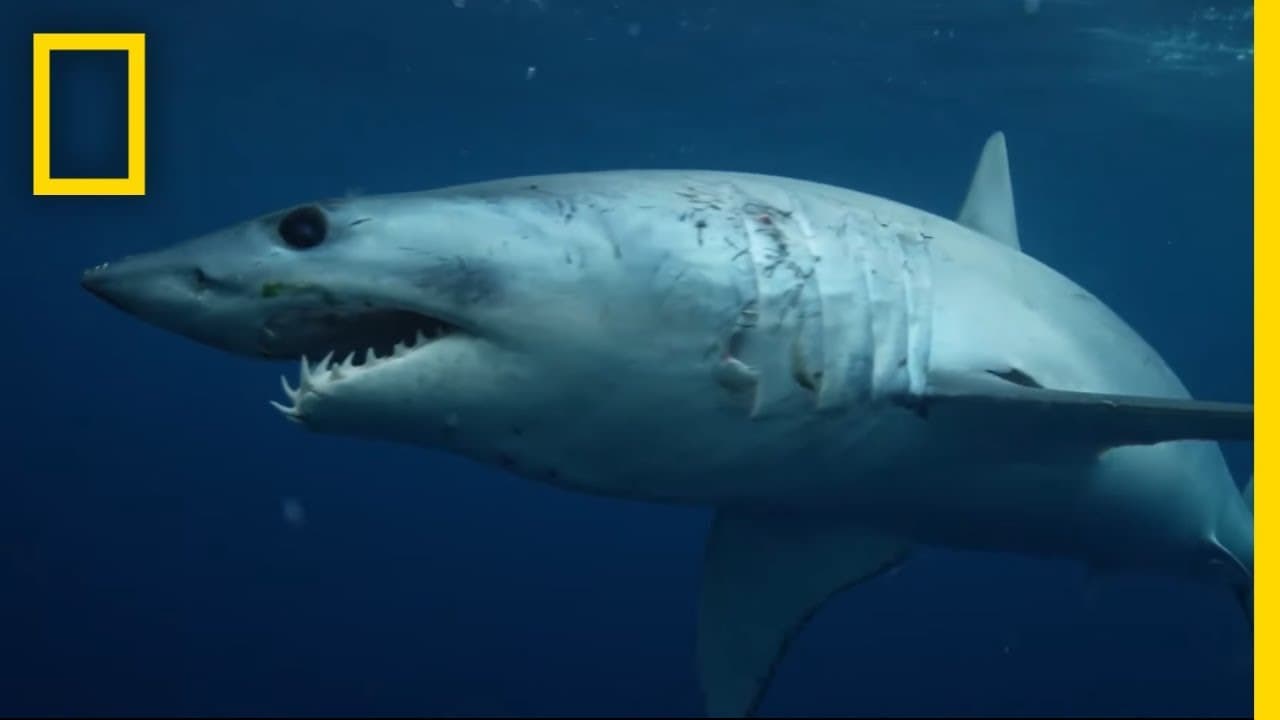
- 🦈 Sharks have incredible speed, with the mako shark being the fastest known shark, reaching speeds of up to 46 miles per hour.
- 🤭 Shark skin is covered with v-shaped scales called dermal denticles, which reduce friction and aid in fast and quiet swimming.
- 🙂 Sharks have skeletons made of cartilage instead of bone, making them lighter.
- 🧔 Sharks can lay eggs or bear live young, with live-bearing species gestating for around one year.
Install to Summarize YouTube Videos and Get Transcripts
Explore YouTube Video Summarizer or Get YouTube Transcript Extractor
Questions & Answers
Q: What is the largest fish in the world?
The largest fish in the world is the whale shark, which can grow up to 40 feet long and weigh 15 tons.
Q: What was the largest shark that ever existed?
The megalodon, an extinct shark dating back over 20 million years ago, could reach a length of 80 feet and weigh up to 70 tons.
Q: How do sharks constantly have teeth?
Unlike humans, who have a set number of teeth, sharks have a limitless supply. They grow, lose, and replace their teeth as needed, with some species having multiple rows of teeth in their jaws.
Q: Why are sharks so fast?
Sharks are built for speed due to their hydrodynamic design, torpedo-shaped heads, and v-shaped scales on their skin called dermal denticles. This reduces friction and helps them swim quickly and quietly.
Summary & Key Takeaways
-
The largest fish in the world is the whale shark, growing up to 40 feet long and weighing 15 tons.
-
The megalodon, an ancient shark, was even larger, reaching 80 feet long and weighing 70 tons.
-
Sharks have fascinating teeth structures, with some species shedding over 30,000 teeth throughout their lives.
Read in Other Languages (beta)
Share This Summary 📚
Summarize YouTube Videos and Get Video Transcripts with 1-Click
Try YouTube Summary with ChatGPT & Claude or YouTube Transcript Generator
Explore More Summaries from National Geographic 📚




Summarize YouTube Videos and Get Video Transcripts with 1-Click
Try YouTube Summary with ChatGPT & Claude or YouTube Transcript Generator