How Do Behavioral Biases Impact Stock Investing?
TL;DR
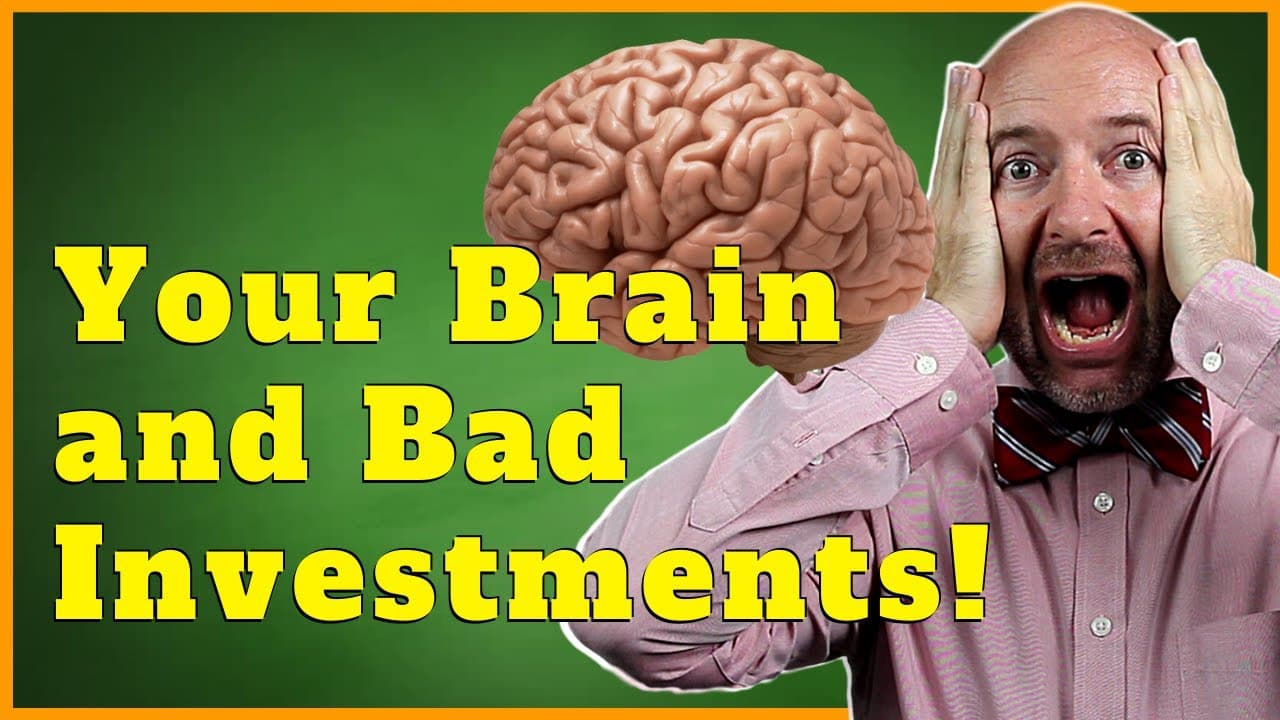
Behavioral biases like loss aversion, overconfidence, confirmation, and anchoring biases can significantly hinder stock investing success. To improve, investors should develop self-awareness, implement a formal investment strategy, and remain open to different perspectives. Recognizing these psychological traps and changing investment behavior is crucial for avoiding financial losses.
Transcript
between fear of missing out and holding on to losing investments for too long your own brain can lose you tens of thousands of dollars in this video i'll reveal the five ways bad investor behaviors cost you money how to spot them and how to make sure you don't make the same mistake twice we're talking stock investing rules today on let's talk money... Read More
Key Insights
- 😨 Investors are often their own worst enemy when it comes to stock investing, making emotional decisions driven by biases and fears.
- 😚 Loss aversion can lead to holding onto losing investments for too long, while overconfidence bias can result in reduced research and reliance on instincts.
- 💁 Confirmation bias can create an echo chamber of information, reinforcing existing beliefs and hindering objective analysis.
- 💋 Anchoring bias causes investors to stick to initial opinions, potentially missing out on new information and market opportunities.
- 🤳 Overcoming these behaviors requires self-awareness, a formal approach to investing, humility, and an openness to different perspectives.
- 🍝 Assessing past performance and being honest about one's investing skills is essential to combat overconfidence bias.
- 😶🌫️ Hindsight bias and fear of missing out can cloud judgment and lead to impulsive investment decisions.
Install to Summarize YouTube Videos and Get Transcripts
Explore YouTube Video Summarizer or Get YouTube Transcript Extractor
Questions & Answers
Q: How do bad investor behaviors lead to financial losses?
Bad investor behaviors, such as fear of missing out and holding onto losing investments, increase the risk of financial losses. Emotionally-driven decisions and biases can result in poor investment choices and missed opportunities for growth.
Q: What is loss aversion and how does it affect stock investing?
Loss aversion refers to the tendency to feel the pain of losses more strongly than the pleasure of gains. Investors may hold onto losing stocks in the hope of a rebound, leading to reduced risk in good investments and increased risk in bad ones.
Q: How does overconfidence bias impact investment decisions?
Overconfidence bias makes investors believe in their ability to pick winning investments, leading to less research and reliance on gut instincts. This can result in poor decision-making and losses. Investors should assess their performance objectively and consider diversifying their investments.
Q: How does confirmation bias affect stock investing?
Confirmation bias causes investors to seek out information that confirms their beliefs and disregard contradictory evidence. This can lead to a distorted worldview and poor investment decisions. To combat confirmation bias, investors should actively seek different perspectives and consider opposing viewpoints.
Q: What is anchoring bias and how does it affect investment decisions?
Anchoring bias occurs when investors cling to their initial opinions or estimates, even when new information suggests a need for adjustment. This can result in missed opportunities or failure to recognize changing market conditions. Investors should be open to updating their opinions based on new information.
Summary & Key Takeaways
-
Investors often make mistakes due to fear of missing out and holding onto losing investments for too long, resulting in financial losses.
-
Behavioral biases, such as loss aversion and overconfidence, lead to irrational decision-making in stock investing.
-
To overcome these behaviors, investors need to develop a formal approach to investing, practice humility, and be aware of the risks associated with hindsight bias, confirmation bias, and anchoring bias.
Read in Other Languages (beta)
Share This Summary 📚
Summarize YouTube Videos and Get Video Transcripts with 1-Click
Try YouTube Summary with ChatGPT & Claude or YouTube Transcript Generator
Explore More Summaries from Let's Talk Money! with Joseph Hogue, CFA 📚


Summarize YouTube Videos and Get Video Transcripts with 1-Click
Try YouTube Summary with ChatGPT & Claude or YouTube Transcript Generator