How to Prepare for Upcoming Severe Storms
TL;DR
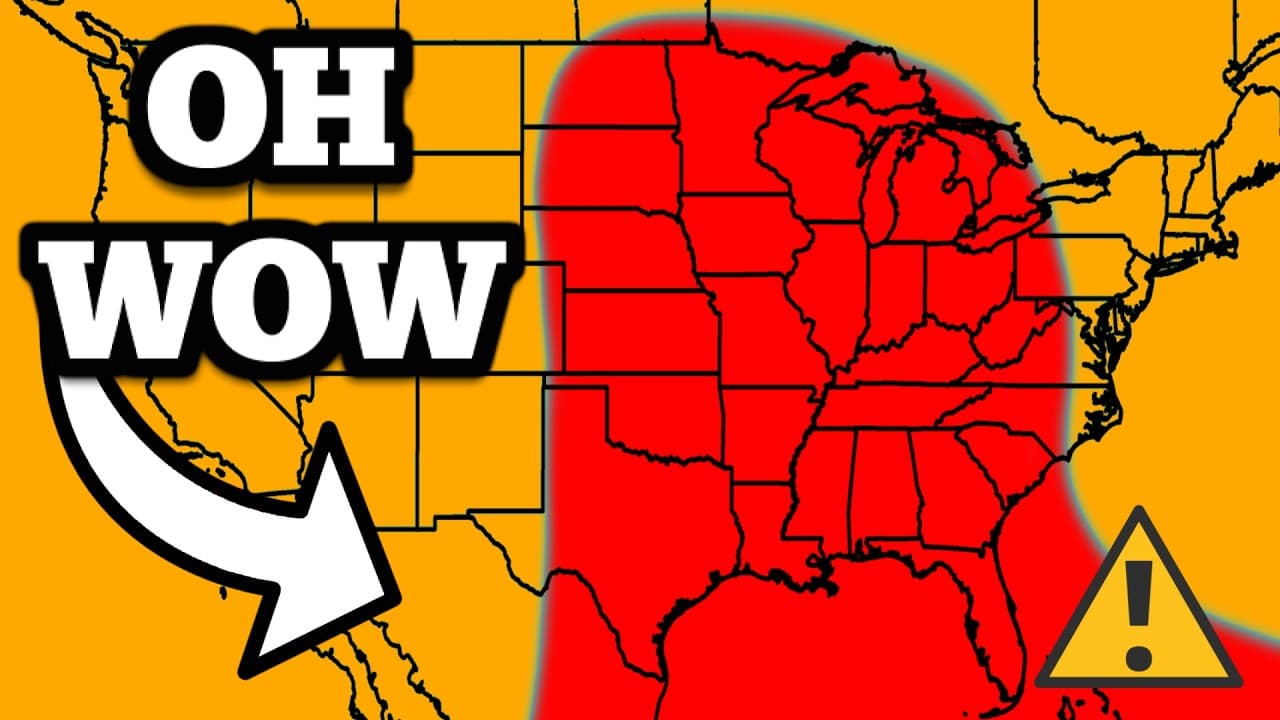
Two significant storms are forecasted to impact the United States with severe weather, including damaging winds, large hail, tornadoes, and major flooding. A potential tropical cyclone in the Gulf may develop, affecting the Gulf Coast and Florida with flooding and high winds. It's crucial to stay informed and prepared for these weather events over the next week.
Transcript
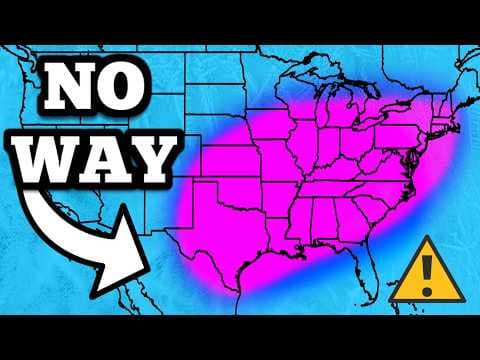
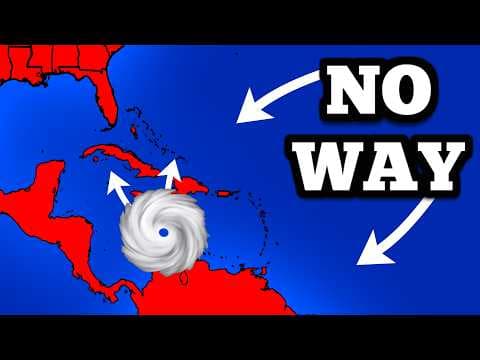
Two large storms will be coming to the United States over the next few days. One of which will bring the potential for severe weather, including significant damaging winds, large hail, and tornadoes. And on top of that, major flooding will continue to be a possibility. The second storm is going to be a potential tropical cyclone in the Gulf over th... Read More
Key Insights
- Two major storms are forecasted to impact the United States in the coming days.
- The first storm poses a risk of severe weather, including damaging winds, large hail, and tornadoes.
- Major flooding is a potential threat, particularly in the Great Plains and Midwest.
- The second storm could develop into a tropical cyclone in the Gulf, affecting the Gulf Coast and Florida.
- The National Hurricane Center estimates a 50% chance of tropical development in the Gulf.
- Severe weather risks include a level three out of five enhanced risk in Nebraska.
- Damaging winds and tornadoes are the primary concerns in the central and northern plains.
- Severe weather threats may continue into the weekend, particularly in the Midwest and Ohio Valley.
Install to Summarize YouTube Videos and Get Transcripts
Explore YouTube Video Summarizer or Get YouTube Transcript Extractor
Questions & Answers
Q: How to prepare for severe weather in the Great Plains?
To prepare for severe weather in the Great Plains, stay informed by monitoring weather updates from reliable sources. Secure outdoor objects that could become projectiles in high winds, and ensure you have a plan in place for seeking shelter in case of tornadoes. Keep an emergency kit with essentials like water, food, and flashlights. Stay indoors during severe weather and avoid unnecessary travel.
Q: What is the likelihood of a tropical cyclone developing in the Gulf?
The likelihood of a tropical cyclone developing in the Gulf is estimated at 50% by the National Hurricane Center. The system, currently disorganized, may develop as it moves into the Gulf, influenced by favorable environmental conditions like low wind shear and warm water temperatures. Continuous monitoring is essential to stay updated on its development and potential impacts.
Q: What areas are most at risk from the upcoming storms?
The areas most at risk from the upcoming storms include the Great Plains, Midwest, and Gulf Coast. The Great Plains and Midwest face threats of severe weather, including damaging winds, hail, and tornadoes. The Gulf Coast, particularly Louisiana, Mississippi, and Florida, may experience flooding and high winds from a potential tropical cyclone. Residents should stay informed and prepared for these risks.
Q: When is the tropical system expected to make landfall?
If the tropical system develops, it is expected to make landfall on Thursday, likely around the Gulf Coast areas of Louisiana, southern Mississippi, or southern Alabama. The exact timing and location depend on the system's development and trajectory, which are being closely monitored. Residents in these areas should prepare for potential impacts, including flooding and high winds.
Q: What are the main concerns with the potential tropical cyclone?
The main concerns with the potential tropical cyclone in the Gulf are significant flooding, possible storm surge, and high winds. If the system develops into a tropical storm, it could bring widespread rainfall of 4 to 8 inches, with localized areas receiving even higher amounts. The risk of flash flooding and rip currents is also elevated, necessitating vigilance and preparedness in affected areas.
Q: How severe is the weather risk in Nebraska?
The weather risk in Nebraska is rated as a level three out of five enhanced risk, indicating a significant threat of severe weather. The primary concerns are damaging winds, which could reach 60 to 80 miles per hour, large hail, and the potential for tornadoes. Residents should stay alert to weather updates and take precautions to protect themselves and their property during severe weather events.
Q: What is the expected weather pattern for the next week?
The expected weather pattern for the next week includes active weather with two major storms impacting the United States. Severe weather risks are present in the Great Plains and Midwest, with potential tornadoes, damaging winds, and hail. A tropical system in the Gulf may develop, affecting the Gulf Coast with flooding and high winds. The Midwest and Ohio Valley may continue to experience isolated severe weather events into the weekend.
Q: How can residents stay informed about the storms?
Residents can stay informed about the storms by regularly checking updates from trusted weather sources, such as the National Weather Service and local meteorologists. Subscribing to weather alerts on mobile devices can provide timely notifications. Following weather channels on social media and watching live streams during severe weather events can also help keep residents updated on the latest developments and safety recommendations.
Summary & Key Takeaways
-
Two large storms are approaching the United States, bringing the potential for severe weather, including damaging winds, large hail, and tornadoes. Major flooding is also a concern, particularly in the Great Plains and Midwest. Additionally, a potential tropical cyclone in the Gulf could impact the Gulf Coast and Florida, with the National Hurricane Center estimating a 50% chance of development.
-
The first storm is expected to bring severe weather to the central and northern plains, with a level three out of five enhanced risk in Nebraska. Damaging winds and tornadoes are the primary concerns. The second storm, a potential tropical cyclone, could affect the Gulf Coast and Florida with flooding and high winds, with a 50% chance of development.
-
Severe weather risks may continue into the weekend, particularly in the Midwest and Ohio Valley. It's important to stay informed and prepared for these weather events, as the situation may evolve rapidly. Monitor updates from reliable sources and take necessary precautions to ensure safety.
Read in Other Languages (beta)
Share This Summary 📚
Summarize YouTube Videos and Get Video Transcripts with 1-Click
Try YouTube Summary with ChatGPT & Claude or YouTube Transcript Generator
Explore More Summaries from Max Velocity - Severe Weather Center 📚
Summarize YouTube Videos and Get Video Transcripts with 1-Click
Try YouTube Summary with ChatGPT & Claude or YouTube Transcript Generator